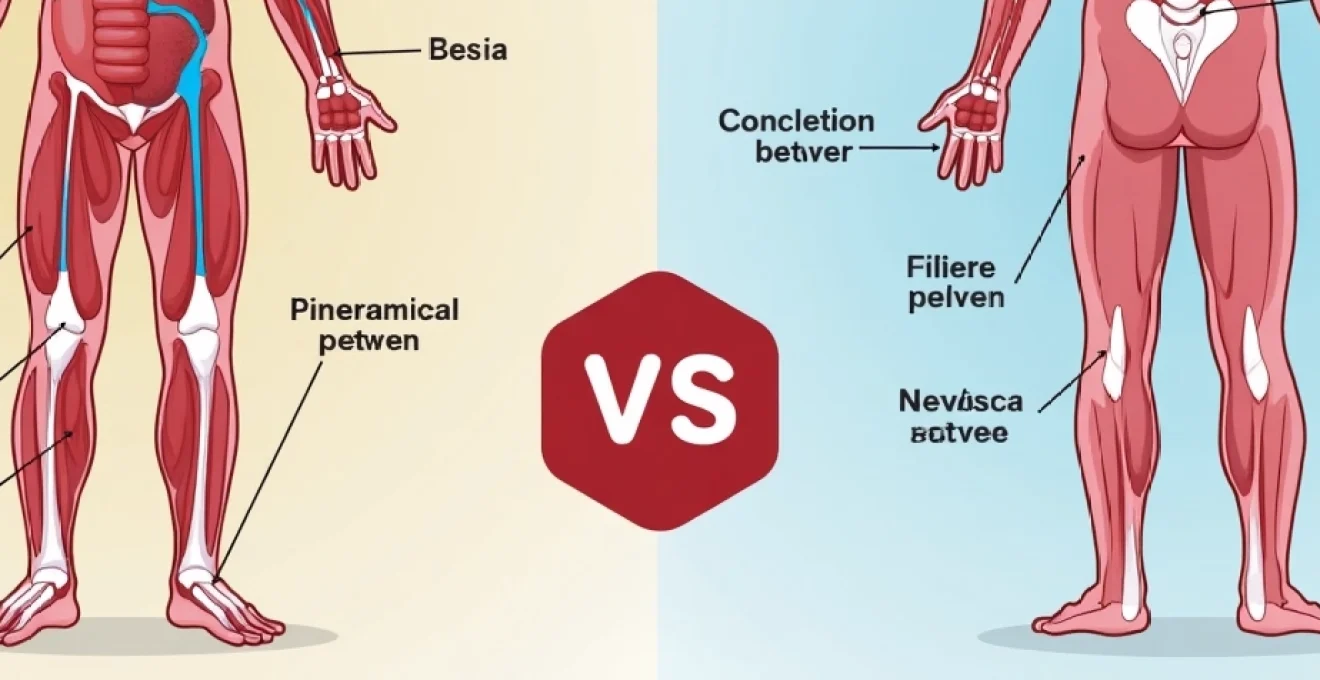
Muscle fasciculations affect approximately 70% of healthy individuals at some point in their lives, yet distinguishing between benign fasciculation syndrome (BFS) and amyotrophic lateral sclerosis (ALS) remains one of the most challenging diagnostic dilemmas in neurology. Both conditions present with involuntary muscle twitches, creating understandable anxiety for patients experiencing these symptoms. However, the underlying pathophysiology, clinical progression, and long-term prognosis differ dramatically between these conditions. Understanding these distinctions is crucial for both healthcare professionals and patients navigating the diagnostic process, as early recognition can significantly impact treatment strategies and quality of life outcomes.
Pathophysiology and motor neurone degeneration mechanisms in ALS vs BFS
The fundamental distinction between ALS and BFS lies in their underlying pathophysiological mechanisms. ALS represents a devastating neurodegenerative disease characterised by progressive motor neurone death, whilst BFS involves peripheral nerve hyperexcitability without structural neuronal damage. This critical difference forms the foundation for understanding why these conditions manifest differently and progress along distinct trajectories.
Upper and lower motor neurone involvement in amyotrophic lateral sclerosis
ALS pathophysiology centres on the selective vulnerability of motor neurones in the cerebral cortex, brainstem, and spinal cord. The disease process typically begins with upper motor neurone degeneration in the primary motor cortex, where pyramidal cells undergo apoptotic death through multiple cascading mechanisms. This cortical involvement leads to hyperreflexia, spasticity, and the characteristic Babinski sign observed in clinical examinations.
Lower motor neurone involvement manifests as anterior horn cell degeneration in the spinal cord and cranial nerve motor nuclei. These neurones exhibit progressive shrinkage, chromatolysis, and eventual cell death, resulting in muscle weakness, atrophy, and fasciculations. The combination of upper and lower motor neurone signs creates the distinctive clinical picture of ALS, differentiating it from purely lower motor neurone conditions.
Peripheral nerve hyperexcitability syndrome in benign fasciculation syndrome
BFS represents a fundamentally different pathophysiological entity, characterised by peripheral nerve hyperexcitability without structural damage to motor neurones. The condition involves increased excitability of motor axons, particularly at the terminal branches, leading to spontaneous discharge and visible muscle fasciculations. This hyperexcitability likely results from altered sodium channel function and changes in membrane potential stability.
Unlike ALS, BFS does not involve progressive neuronal death or structural damage to the nervous system. The fasciculations arise from ephaptic transmission between adjacent nerve fibres or from increased sensitivity of voltage-gated sodium channels. This explains why patients with BFS maintain normal muscle strength and function despite experiencing persistent fasciculations over extended periods.
Neuronal death cascade and TDP-43 protein aggregation in ALS
Recent advances in ALS research have identified transactive response DNA-binding protein 43 (TDP-43) as a central player in motor neurone degeneration. Approximately 97% of ALS cases demonstrate pathological TDP-43 protein aggregates within motor neurones, leading to disrupted RNA processing and cellular dysfunction. These protein aggregates interfere with normal cellular processes, including transcription, splicing, and transport mechanisms.
The neuronal death cascade in ALS involves multiple interconnected pathways, including excitotoxicity mediated by excessive glutamate signalling, oxidative stress from reactive oxygen species, and mitochondrial dysfunction. Inflammation plays a crucial role, with activated microglia and astrocytes contributing to the neurodegenerative process through the release of pro-inflammatory cytokines and neurotoxic factors.
Channelopathy and Voltage-Gated sodium channel dysfunction in BFS
BFS pathophysiology involves dysfunction of voltage-gated sodium channels, particularly Nav1.6 channels located at motor nerve terminals. These channels become hyperexcitable due to various factors, including stress hormones, caffeine, and electrolyte imbalances. The altered channel kinetics lead to spontaneous depolarisation events, generating ectopic action potentials that manifest as visible fasciculations.
Unlike the progressive nature of ALS, BFS represents a functional rather than structural disorder. The sodium channel dysfunction is typically reversible, explaining why many patients experience improvement with lifestyle modifications, stress reduction, and avoidance of triggering factors. This fundamental difference in pathophysiology accounts for the benign prognosis associated with BFS compared to the progressive deterioration seen in ALS.
Clinical presentation and electromyographic findings differentiation
The clinical presentation of ALS and BFS shares the common feature of fasciculations, yet careful analysis reveals distinct patterns that aid in differential diagnosis. Understanding these nuanced differences requires comprehensive evaluation of fasciculation characteristics, associated symptoms, and progression patterns over time.
Fasciculation patterns: generalised vs focal distribution analysis
Fasciculation distribution patterns provide crucial diagnostic insights distinguishing ALS from BFS. In ALS, fasciculations typically begin focally in specific muscle groups before spreading in a predictable anatomical pattern. Early fasciculations often occur in muscles that subsequently develop weakness, suggesting a direct relationship between fasciculations and motor neurone degeneration. The distribution tends to follow neuroanatomical boundaries, respecting spinal cord segments and peripheral nerve territories.
BFS presents with a markedly different fasciculation pattern characterised by widespread, seemingly random distribution across multiple muscle groups. These fasciculations demonstrate a migratory quality, appearing in one location for days or weeks before shifting to different anatomical regions. Patients often describe fasciculations that “jump around” their body, affecting areas from eyelids to calves without apparent anatomical logic. This generalised distribution pattern reflects the systemic nature of peripheral nerve hyperexcitability rather than focal motor neurone degeneration.
Muscle weakness progression: asymmetric onset vs preserved strength patterns
Progressive muscle weakness represents the defining clinical feature of ALS, distinguishing it from BFS. In ALS, weakness typically begins asymmetrically, often affecting a single limb or specific muscle group before spreading to adjacent regions. This weakness is both functional and measurable, interfering with activities of daily living such as walking, writing, or manipulating objects. The weakness follows a predictable progression pattern, either ascending from distal to proximal muscles or vice versa, depending on the phenotype.
BFS patients maintain normal muscle strength despite experiencing persistent fasciculations. Formal muscle strength testing reveals no objective weakness, and patients can perform all functional activities without impairment. Some individuals with BFS report subjective feelings of weakness or fatigue, but these symptoms typically relate to anxiety or hypervigilance rather than actual motor unit dysfunction. The preservation of strength over months or years strongly supports a diagnosis of BFS rather than ALS.
Neurogenic changes on EMG: fibrillation potentials and sharp waves detection
Electromyographic findings provide objective evidence for differentiating ALS from BFS. In ALS, EMG demonstrates characteristic neurogenic changes including fibrillation potentials, positive sharp waves, and complex repetitive discharges. These findings reflect denervation and subsequent reinnervation processes occurring as motor neurones degenerate. Fibrillation potentials typically appear 2-3 weeks following motor neurone death and persist throughout the disease course.
BFS patients exhibit fasciculation potentials on EMG without accompanying neurogenic changes. The absence of fibrillation potentials, positive sharp waves, or other denervation markers distinguishes BFS from ALS. Fasciculations in BFS often demonstrate benign characteristics, including simple morphology and stable firing patterns. Motor unit action potentials remain normal in configuration, amplitude, and recruitment patterns, confirming the absence of motor neurone degeneration.
Motor unit action potential morphology in ALS diagnostic criteria
Motor unit action potential (MUAP) analysis reveals distinct morphological changes in ALS that are absent in BFS. ALS patients demonstrate enlarged, polyphasic motor units with increased amplitude and duration. These changes reflect reinnervation attempts by surviving motor neurones, which sprout collateral branches to innervate denervated muscle fibres. The resulting motor units become larger and more complex, generating the characteristic high-amplitude, long-duration potentials observed on EMG.
Recruitment patterns in ALS show reduced motor unit numbers with rapid firing rates, reflecting the loss of motor neurone pool. Surviving motor units must fire at higher frequencies to maintain muscle contraction, creating the typical neurogenic recruitment pattern. In contrast, BFS patients maintain normal MUAP morphology and recruitment patterns, with fasciculations occurring independently of voluntary muscle activation.
Diagnostic criteria and neurophysiological assessment protocols
Establishing definitive diagnoses for ALS and BFS requires systematic application of established diagnostic criteria combined with comprehensive neurophysiological assessment. These protocols have evolved significantly over recent decades, incorporating advances in electrodiagnostic techniques and clinical understanding of both conditions.
El escorial revised criteria for ALS diagnosis and clinical classifications
The El Escorial Revised Criteria remain the gold standard for ALS diagnosis, requiring evidence of upper motor neurone (UMN) and lower motor neurone (LMN) degeneration in multiple anatomical regions. The criteria classify ALS into four categories: clinically definite, clinically probable, clinically probable laboratory-supported, and clinically possible. Clinically definite ALS requires UMN and LMN signs in three anatomical regions (bulbar, cervical, thoracic, and lumbosacral), whilst clinically probable requires signs in two regions with UMN signs rostral to LMN signs.
The anatomical approach of the El Escorial criteria emphasises the importance of regional spread patterns in confirming diagnosis. Progressive spread from one anatomical region to adjacent areas supports the diagnosis, whilst simultaneous onset in multiple distant regions raises questions about alternative diagnoses. The criteria also require exclusion of other conditions that might mimic ALS, including multifocal motor neuropathy, spinal muscular atrophy, and post-polio syndrome.
Awaji criteria integration of electrodiagnostic and clinical evidence
The Awaji criteria revolutionised ALS diagnosis by elevating electrodiagnostic findings to equal importance with clinical signs. These criteria recognise fasciculations detected on EMG as equivalent to clinical evidence of lower motor neurone involvement, significantly improving diagnostic sensitivity for early-stage disease. The integration of clinical and electrodiagnostic evidence allows for earlier diagnosis, particularly important given the progressive nature of ALS.
Under the Awaji criteria, neurogenic changes on EMG can substitute for clinical LMN signs when determining regional involvement. This approach proves particularly valuable in detecting subclinical denervation in apparently unaffected muscles, revealing the true extent of motor neurone involvement. The criteria also emphasise the importance of examining multiple muscles within each anatomical region to maximise diagnostic yield and ensure accurate classification.
Cramp-fasciculation syndrome diagnostic framework and exclusion criteria
Cramp-fasciculation syndrome represents a variant of BFS characterised by the combination of muscle fasciculations and exercise-induced cramping. The diagnostic framework requires persistent fasciculations for at least six months, absence of muscle weakness or atrophy, and normal nerve conduction studies. Exercise-induced cramps must be reproducible and occur in multiple muscle groups to meet diagnostic criteria.
Exclusion criteria for cramp-fasciculation syndrome include evidence of motor neurone disease, peripheral neuropathy, or metabolic disorders. The condition often demonstrates familial clustering, suggesting genetic predisposition to peripheral nerve hyperexcitability. Unlike ALS, cramp-fasciculation syndrome maintains a stable course over years, with some patients experiencing symptom improvement through lifestyle modifications and stress reduction.
Recent studies suggest that muscle ultrasonography can detect fasciculations with greater sensitivity than clinical examination, potentially improving early differentiation between ALS and BFS.
Nerve conduction studies: compound muscle action potential amplitude analysis
Nerve conduction studies provide essential information for differentiating ALS from other conditions affecting motor neurones. In ALS, compound muscle action potential (CMAP) amplitudes progressively decline as motor neurones degenerate, reflecting the loss of functional motor units. However, nerve conduction velocities typically remain normal or show only mild slowing, distinguishing ALS from demyelinating neuropathies.
BFS patients demonstrate normal nerve conduction studies with preserved CMAP amplitudes and conduction velocities. The absence of conduction abnormalities supports the diagnosis of benign fasciculations rather than structural nerve damage. Serial nerve conduction studies in BFS patients show stability over time, contrasting with the progressive decline observed in ALS.
Repetitive nerve stimulation testing for neuromuscular junction disorders
Repetitive nerve stimulation testing excludes neuromuscular junction disorders that might mimic ALS or BFS. Myasthenia gravis, Lambert-Eaton myasthenic syndrome, and botulism can present with weakness and sometimes fasciculations, requiring differentiation from motor neurone disease. Normal repetitive stimulation responses support diagnoses of ALS or BFS whilst abnormal decremental or incremental responses suggest neuromuscular junction pathology.
The timing of repetitive stimulation testing proves crucial, as early ALS might demonstrate subtle decremental responses due to immature neuromuscular junctions formed during reinnervation. However, these changes are typically mild and occur alongside other neurogenic findings, unlike the prominent decremental responses seen in myasthenia gravis. BFS patients consistently demonstrate normal repetitive stimulation responses, supporting the benign nature of their condition.
Disease progression trajectories and prognosis markers
The progression trajectories of ALS and BFS represent fundamentally different disease courses, with ALS demonstrating relentless deterioration whilst BFS maintains clinical stability. Understanding these progression patterns enables accurate prognostic counselling and appropriate therapeutic planning for affected individuals.
ALS follows a predictable yet variable progression pattern characterised by continuous motor neurone loss and functional decline. The disease typically progresses at a rate of 2-4% loss of motor units per month, though significant individual variation exists. Younger patients often experience more rapid progression, whilst older individuals may demonstrate slower decline rates. The ALS Functional Rating Scale-Revised (ALSFRS-R) provides standardised assessment of disease progression, with declining scores correlating with reduced survival time.
Prognostic markers in ALS include onset age, site of initial symptoms, and rate of early progression. Bulbar onset ALS generally carries a worse prognosis than limb onset disease, with median survival times of 2-3 years versus 3-5 years respectively. Respiratory involvement represents a critical prognostic milestone, as forced vital capacity decline below 50% predicted significantly impacts survival. Genetic factors also influence progression, with certain mutations such as C9orf72 expansions associated with more aggressive disease courses.
BFS demonstrates remarkable stability over extended observation periods, with many patients experiencing unchanged symptoms for decades. Some individuals report symptom fluctuation related to stress, caffeine intake, or sleep patterns, but overall functional capacity remains preserved. Long-term studies of BFS patients reveal no increased risk of developing motor neurone disease, providing reassurance regarding the truly benign nature of the condition.
Quality of life considerations differ markedly between conditions. ALS patients face progressive disability requiring adaptive equipment, respiratory support, and eventual end-of-life care planning. BFS patients typically maintain normal life expectancy and functional independence, though anxiety about symptom significance may impact psychological well-being. Early accurate diagnosis becomes crucial for appropriate prognostic counselling and anxiety management.
Therapeutic interventions and management strategies
Treatment approaches for ALS and BFS reflect their distinct pathophysiologies and prognoses. ALS management focuses on slowing disease progression, managing symptoms, and maintaining quality of life, whilst BFS treatment emphasises symptom reduction and anxiety management through conservative approaches.
ALS therapeutic interventions include disease-modifying treatments such as riluzole and edaravone, which demonstrate modest effects on progression rate. Riluzole blocks glutamate-mediated excitotoxicity and extends survival by approximately 2-3 months in clinical trials. Edaravone provides antioxidant effects and may slow functional decline in specific patient populations. However, these medications represent symptomatic treatments rather than curative therapies, emphasising the need for continued research into more effective interventions.
Multidisciplinary care coordination proves essential for optimal ALS management. Speech-language pathologists address communication and swallowing difficulties, physiotherapists maintain mobility and prevent contractures,
and occupational therapists help with adaptive strategies for daily activities. Respiratory therapists monitor breathing function and introduce non-invasive ventilation when appropriate. Nutritionists address swallowing difficulties and weight management, whilst social workers coordinate care transitions and community resources.
BFS management takes a fundamentally different approach, emphasising lifestyle modifications and symptom control rather than disease-modifying interventions. The primary therapeutic goals include reducing fasciculation frequency, managing associated anxiety, and improving quality of life through conservative measures. Stress reduction techniques such as meditation, yoga, and cognitive behavioural therapy often provide significant symptom improvement, reflecting the strong connection between psychological stress and peripheral nerve hyperexcitability.
Pharmacological interventions for BFS typically involve membrane-stabilising agents when conservative approaches prove insufficient. Gabapentin and pregabalin demonstrate efficacy in reducing fasciculation frequency by modulating calcium channel activity and peripheral nerve excitability. These medications work by reducing spontaneous nerve firing and stabilising membrane potentials in hyperexcitable motor axons. Magnesium supplementation often provides additional benefit, particularly in patients with documented deficiency or those experiencing exercise-induced symptoms.
Lifestyle modifications play a crucial role in BFS management, with many patients experiencing significant improvement through dietary and behavioural changes. Caffeine reduction or elimination often produces dramatic symptom improvement, as caffeine directly enhances sodium channel excitability and perpetuates fasciculations. Adequate sleep hygiene, regular exercise, and stress management techniques form the cornerstone of conservative treatment. Some patients benefit from avoiding specific triggers such as artificial sweeteners, excessive alcohol consumption, or intense physical activity.
Long-term monitoring strategies differ substantially between conditions. ALS patients require regular multidisciplinary assessments to monitor disease progression and adjust interventions accordingly. Respiratory function monitoring becomes increasingly important as the disease advances, with serial spirometry guiding decisions about ventilatory support. BFS patients typically require minimal ongoing monitoring once diagnosis is established, though periodic reassessment may help address symptom changes or patient anxiety.
Studies indicate that early intervention with membrane-stabilising agents in BFS can reduce fasciculation frequency by up to 70% within three months of treatment initiation.
Differential diagnosis considerations and mimicking conditions
Accurate differential diagnosis between ALS and BFS requires systematic consideration of numerous conditions that can present with similar symptoms. The diagnostic challenge extends beyond simple fasciculation recognition to encompass comprehensive evaluation of weakness patterns, progression rates, and associated neurological findings. Understanding these mimicking conditions prevents misdiagnosis and ensures appropriate therapeutic interventions.
Multifocal motor neuropathy (MMN) represents one of the most important ALS mimics, presenting with progressive asymmetric weakness and fasciculations. However, MMN demonstrates distinctive features including conduction blocks on nerve conduction studies, elevated GM1 antibody titres in approximately 50% of patients, and preferential involvement of motor nerves without sensory abnormalities. Unlike ALS, MMN responds favourably to immunosuppressive treatments, particularly intravenous immunoglobulin therapy, making accurate diagnosis crucial for optimal patient outcomes.
Spinal muscular atrophy (SMA) can mimic ALS, particularly in adult-onset forms that present with progressive weakness and fasciculations. However, SMA typically demonstrates symmetric weakness patterns, preserved reflexes, and specific genetic mutations in the survival motor neuron 1 (SMN1) gene. Genetic testing provides definitive diagnosis and distinguishes SMA from both ALS and BFS. The absence of upper motor neurone signs in SMA contrasts with the mixed upper and lower motor neurone involvement characteristic of ALS.
Thyroid disorders frequently cause muscle fasciculations and can confuse the diagnostic picture. Hyperthyroidism accelerates cellular metabolism and increases nerve excitability, leading to widespread fasciculations that may mimic BFS. However, thyrotoxicosis typically presents with additional systemic symptoms including weight loss, heat intolerance, palpitations, and tremor. Thyroid function testing readily identifies these metabolic causes of fasciculations, which resolve with appropriate endocrine treatment.
Post-polio syndrome affects individuals with previous poliomyelitis and presents with new muscle weakness, fatigue, and sometimes fasciculations decades after the initial infection. The condition results from overuse of surviving motor neurones that compensated for polio-induced motor unit loss. Unlike ALS, post-polio syndrome demonstrates stability or very slow progression over years rather than the relentless decline characteristic of motor neurone disease. Historical polio exposure and the prolonged stable period between initial infection and symptom recurrence help establish the diagnosis.
Peripheral neuropathies, particularly those affecting motor fibres, can produce fasciculations and weakness patterns that mimic ALS. Diabetic amyotrophy, chronic inflammatory demyelinating polyneuropathy (CIDP), and toxic neuropathies may present with motor symptoms and fasciculations. However, these conditions typically demonstrate slowed nerve conduction velocities, elevated cerebrospinal fluid protein levels, or specific exposure histories that distinguish them from motor neurone disease.
Inclusion body myositis (IBM) represents an important inflammatory myopathy that can mimic ALS, particularly in older adults. IBM presents with progressive weakness affecting both proximal and distal muscles, with characteristic patterns including finger flexor and quadriceps involvement. Unlike ALS, IBM demonstrates inflammatory changes on muscle biopsy, including rimmed vacuoles and protein aggregates. The absence of upper motor neurone signs and the specific weakness distribution pattern help differentiate IBM from ALS.
Metabolic myopathies and mitochondrial disorders occasionally present with fasciculations and weakness that raise concerns about motor neurone disease. These conditions typically demonstrate exercise intolerance, elevated lactate levels, and specific metabolic abnormalities on biochemical testing. Muscle biopsy reveals characteristic changes including ragged red fibres in mitochondrial myopathies and specific enzyme deficiencies in metabolic disorders. The multisystem nature of many metabolic conditions contrasts with the selective motor involvement in ALS.
Anxiety disorders and somatisation can produce fasciculation-like symptoms that patients may interpret as muscle twitching. However, these psychological manifestations typically lack the consistent characteristics of true fasciculations and often occur alongside other anxiety symptoms. Careful clinical examination and EMG assessment help distinguish between genuine fasciculations and psychosomatic symptoms. The widespread nature of anxiety-related symptoms and their relationship to stress levels often provide diagnostic clues.
Drug-induced fasciculations represent another important diagnostic consideration, with numerous medications capable of triggering peripheral nerve hyperexcitability. Lithium, anticholinesterases, caffeine, and certain antibiotics can produce fasciculations that resolve with medication discontinuation. The temporal relationship between drug initiation and symptom onset, combined with symptom resolution following medication withdrawal, establishes the causal relationship and distinguishes drug-induced fasciculations from primary neurological conditions.
Establishing accurate diagnoses requires integration of clinical findings, electrodiagnostic studies, laboratory investigations, and careful longitudinal observation. The development of objective weakness or progression over time strongly favours ALS over BFS, whilst stability and preservation of function support benign fasciculations. Regular reassessment and willingness to reconsider initial diagnostic impressions ensure optimal patient care and prevent delays in appropriate treatment interventions.