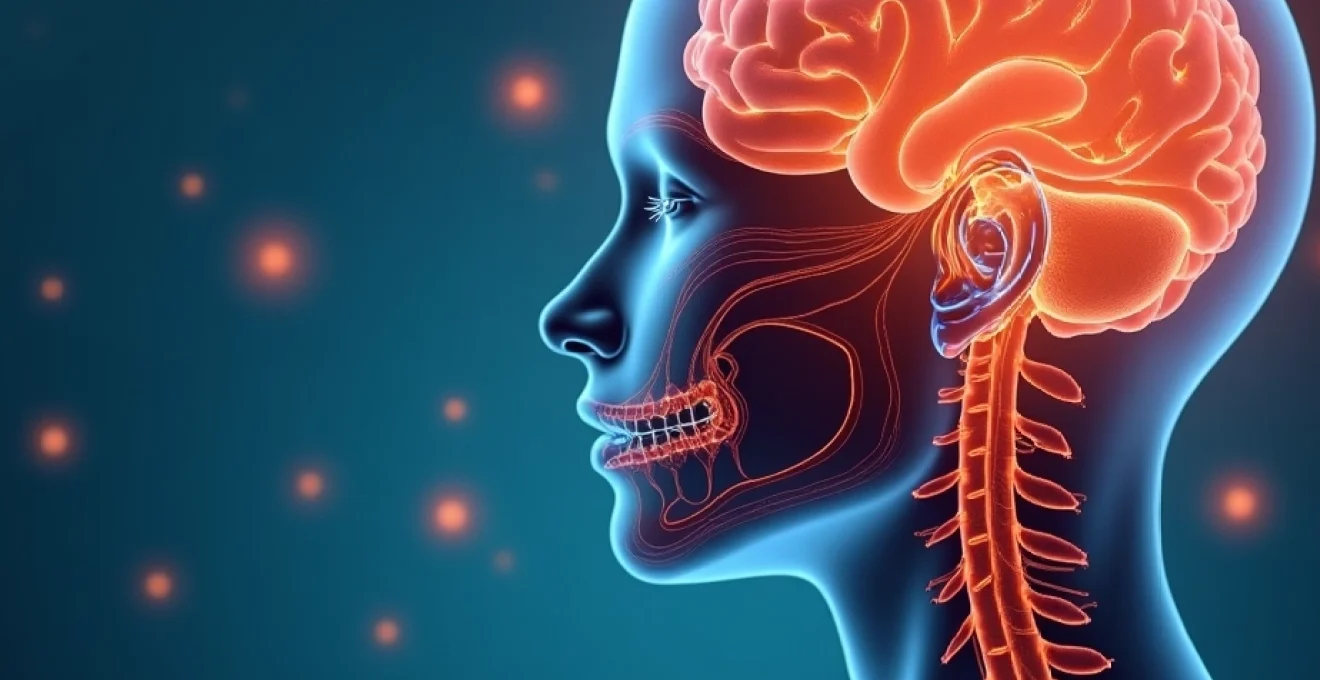
Buzzing sensations in the body represent one of the most perplexing yet surprisingly common experiences during menopause, affecting millions of women worldwide as their hormonal landscape undergoes dramatic transformation. These peculiar neurological manifestations, often described as internal vibrations, electrical currents, or crawling sensations beneath the skin, can emerge suddenly during perimenopause and persist well into the post-menopausal years. While research into this phenomenon remains limited, emerging evidence suggests that declining oestrogen levels fundamentally alter peripheral nerve function, creating a cascade of sensory disturbances that can significantly impact quality of life.
The medical community has increasingly recognised these symptoms as legitimate manifestations of hormonal transition rather than psychological phenomena. Understanding the intricate relationship between reproductive hormones and neurological function provides crucial insights into why some women experience these buzzing sensations whilst others navigate menopause without such neurological complications. Recent epidemiological studies indicate that approximately 15-25% of menopausal women report some form of paraesthesia or abnormal skin sensations, making this a substantial healthcare concern that deserves comprehensive clinical attention.
Neurological mechanisms behind menopausal paraesthesia and tactile disturbances
The neurological foundations of menopausal buzzing sensations involve complex interactions between declining reproductive hormones and peripheral nerve function. Research demonstrates that oestrogen receptors are abundantly distributed throughout the peripheral nervous system, particularly in sensory neurons responsible for tactile perception. When oestrogen levels plummet during menopause, these receptors become less activated, leading to altered nerve conduction velocities and abnormal sensory processing patterns.
Oestrogen receptor modulation in peripheral nerve function
Oestrogen receptors, specifically ERα and ERβ subtypes, play pivotal roles in maintaining peripheral nerve integrity and function. These receptors influence sodium channel expression, myelin protein synthesis, and nerve growth factor production. During menopause, the dramatic reduction in circulating oestrogen compromises these protective mechanisms, resulting in hyperexcitability of sensory neurons. This hyperexcitability manifests as spontaneous firing patterns that the brain interprets as buzzing, tingling, or vibrating sensations throughout the body.
Neurotransmitter dysregulation during hormonal transition
The menopausal transition significantly impacts neurotransmitter balance, particularly affecting gamma-aminobutyric acid (GABA) and serotonin systems. Declining oestrogen levels reduce GABA receptor sensitivity , leading to decreased inhibitory neurotransmission and increased neural excitability. Simultaneously, serotonin production becomes dysregulated, contributing to altered pain perception and sensory processing. This neurotransmitter imbalance creates an environment where normal tactile stimuli can be misinterpreted as abnormal sensations, contributing to the characteristic buzzing phenomena experienced by many menopausal women.
Myelin sheath integrity changes in Post-Menopausal women
Recent neuroimaging studies have revealed that post-menopausal women often exhibit subtle changes in myelin sheath thickness and composition, particularly in peripheral sensory nerves. Oestrogen normally supports oligodendrocyte function and myelin maintenance through various molecular pathways. When oestrogen levels decline, the protective myelin coating around nerve fibres may become compromised, leading to altered signal transmission and the emergence of aberrant sensory experiences. These structural changes can persist for years after menopause, explaining why some women continue experiencing buzzing sensations long after their hormonal transition is complete.
Central nervous system sensitisation patterns
Central sensitisation represents another crucial mechanism underlying menopausal buzzing sensations. The spinal cord and brain develop heightened responsiveness to peripheral sensory input when hormonal support diminishes. This sensitisation process involves alterations in dorsal horn neuron excitability, changes in descending pain modulation pathways, and modifications in thalamic processing centres. Consequently, even minimal peripheral nerve activity can trigger disproportionate sensory responses, creating the perception of buzzing or vibrating sensations in the absence of actual external stimuli.
Hormonal fluctuations and sensory nerve pathway alterations
The relationship between hormonal fluctuations and sensory nerve pathway alterations extends beyond simple oestrogen deficiency, encompassing a complex interplay of multiple hormones that collectively influence neurological function. During perimenopause, dramatic hormonal swings create periods of heightened sensitivity alternating with relative quiescence, explaining why many women experience intermittent rather than constant buzzing sensations. These fluctuations affect both peripheral nerve excitability and central processing mechanisms, creating a dynamic neurological environment that can be challenging to predict or manage.
Declining progesterone effects on GABA neurotransmission
Progesterone serves as a natural anxiolytic and neuroprotective agent through its metabolite allopregnanolone, which potently enhances GABA-A receptor function. As progesterone levels decline during menopause, this crucial inhibitory neurotransmission becomes compromised , leading to increased neural excitability throughout the nervous system. This loss of GABAergic inhibition particularly affects sensory processing pathways, making women more susceptible to developing abnormal tactile sensations. The timing of progesterone decline often precedes oestrogen reduction, explaining why some women begin experiencing neurological symptoms during early perimenopause when oestrogen levels remain relatively stable.
Testosterone deficiency impact on sensory processing
Testosterone, though present in smaller quantities in women, plays significant roles in maintaining peripheral nerve function and sensory processing. Androgen receptors are present throughout sensory neurons, where testosterone helps maintain nerve growth factor expression and supports myelin integrity. During menopause, testosterone levels can decline by 40-50%, contributing to peripheral neuropathy-like symptoms including buzzing sensations. Research indicates that women with more pronounced testosterone deficiency are more likely to experience persistent neurological symptoms during their menopausal transition.
Cortisol elevation and neuropathic symptom development
The stress of menopausal transition often leads to chronic cortisol elevation, which can exacerbate neurological symptoms through multiple mechanisms. Elevated cortisol levels promote inflammatory responses that can damage peripheral nerves, whilst simultaneously impairing nerve repair mechanisms. Additionally, chronic stress hormones alter neurotransmitter balance and reduce neuroplasticity, making it more difficult for the nervous system to adapt to hormonal changes.
The combination of declining reproductive hormones and elevated stress hormones creates a perfect storm for the development of persistent buzzing sensations and other neuropathic symptoms.
Thyroid hormone interactions with peripheral sensation
Thyroid function frequently becomes disrupted during menopause, with many women developing subclinical hypothyroidism or autoimmune thyroid conditions. Thyroid hormones are essential for peripheral nerve metabolism and regeneration, and even subtle thyroid dysfunction can contribute to neuropathic symptoms. The interaction between declining oestrogen and altered thyroid function can amplify sensory disturbances, making comprehensive hormonal assessment crucial for understanding the full scope of menopausal neurological symptoms.
Clinical manifestations of menopausal formication and neuropathic symptoms
The clinical presentation of menopausal buzzing sensations encompasses a remarkably diverse spectrum of symptoms that can vary significantly between individuals and even within the same person over time. Women typically describe these sensations as internal vibrations, electrical currents running beneath the skin, or crawling feelings that seem to move across different body regions. The intensity can range from barely perceptible background buzzing to overwhelming sensations that significantly interfere with daily activities and sleep patterns.
Anatomical distribution patterns reveal interesting insights into the underlying pathophysiology of these symptoms. Most commonly affected areas include the hands, feet, arms, and legs , reflecting the preferential involvement of distal sensory nerves that are most vulnerable to hormonal influences. However, many women also report sensations in the torso, face, and even internally within the chest or abdomen. The mobile nature of these symptoms, with sensations appearing to travel from one location to another, suggests central nervous system involvement rather than purely peripheral nerve dysfunction.
Temporal patterns of symptom occurrence provide valuable diagnostic clues and can help differentiate menopausal buzzing from other neurological conditions. Many women notice that symptoms are more pronounced during periods of hormonal fluctuation, such as the days leading up to menstruation in perimenopausal women or during times of increased stress. Sleep disturbances are common, with many patients reporting that buzzing sensations become more noticeable when lying still in bed, potentially due to reduced sensory competition from other stimuli.
The psychological impact of these symptoms cannot be understated, as the unfamiliar and often frightening nature of buzzing sensations can trigger significant anxiety and health concerns. Many women describe feeling as though something is seriously wrong with their nervous system, leading to extensive medical consultations and investigations. This anxiety can create a vicious cycle, as stress and worry can actually exacerbate the underlying neurological sensitivity, making symptoms more pronounced and persistent.
Differential diagnosis: distinguishing menopausal buzzing from neuropathic conditions
Accurate differential diagnosis represents a critical challenge in managing menopausal buzzing sensations, as numerous medical conditions can produce similar symptoms. The diagnostic process must carefully evaluate the temporal relationship between symptom onset and menopausal transition, whilst systematically excluding other potential causes of peripheral neuropathy. A comprehensive assessment should include detailed neurological examination, laboratory investigations to rule out metabolic causes, and careful consideration of medication side effects or toxic exposures.
Diabetic neuropathy stands as the most common alternative diagnosis that must be considered, particularly given the increased risk of developing type 2 diabetes during the menopausal transition. However, diabetic neuropathy typically follows a more predictable distal-to-proximal progression pattern and is often associated with other diabetic complications. In contrast, menopausal buzzing sensations tend to be more variable in location and intensity, with symptoms that can appear and disappear without clear triggers.
Vitamin B12 deficiency represents another crucial diagnostic consideration , as this condition can produce remarkably similar symptoms to menopausal paraesthesia. The diagnostic challenge is compounded by the fact that oestrogen deficiency can impair B12 absorption, making deficiency more likely during menopause. Comprehensive laboratory testing should include not only serum B12 levels but also methylmalonic acid and homocysteine measurements, which provide more sensitive indicators of functional B12 status.
Autoimmune conditions such as multiple sclerosis or systemic lupus erythematosus can occasionally present with sensory symptoms during midlife, potentially coinciding with menopausal onset. However, these conditions typically produce additional neurological signs or systemic symptoms that help distinguish them from purely hormonal causes. Careful neurological examination and appropriate imaging studies can help clarify these diagnostic possibilities when clinical presentation is unclear.
Thyroid disorders, particularly hypothyroidism and Hashimoto’s thyroiditis, frequently develop during menopause and can contribute to peripheral neuropathy symptoms. The interaction between thyroid dysfunction and oestrogen deficiency can create complex clinical pictures that require comprehensive endocrine evaluation.
Distinguishing between thyroid-related neuropathy and purely menopausal symptoms often requires careful monitoring of symptom progression alongside thyroid hormone replacement therapy.
Evidence-based treatment protocols for Hormone-Related paraesthesia
Treatment approaches for menopausal buzzing sensations must be tailored to individual patient presentations, considering symptom severity, concurrent menopausal symptoms, and underlying health status. The evidence base for specific interventions remains limited, with most treatment protocols extrapolated from general neuropathy management principles and clinical experience with menopausal symptom management. However, emerging research provides increasingly sophisticated insights into optimal therapeutic approaches.
Bioidentical hormone replacement therapy applications
Bioidentical hormone replacement therapy (BHRT) represents the most physiologically rational approach to treating hormone-related buzzing sensations, as it directly addresses the underlying oestrogen deficiency. Clinical studies suggest that transdermal oestradiol, delivered through patches or gel formulations, may be particularly effective for neurological symptoms due to more stable serum levels and reduced hepatic metabolism. The addition of progesterone, either as oral micronised progesterone or natural progesterone cream, can enhance GABAergic neurotransmission and provide additional neuroprotective effects.
Dosing strategies for BHRT in the context of neurological symptoms often require higher initial doses than those used for vasomotor symptoms, with careful titration based on symptom response rather than solely on serum hormone levels. Some practitioners advocate for the inclusion of testosterone replacement, particularly in women with documented androgen deficiency, as testosterone can provide additional support for peripheral nerve function and sensory processing.
Selective serotonin reuptake inhibitor efficacy studies
Selective serotonin reuptake inhibitors (SSRIs) have shown promise in managing menopausal neurological symptoms through multiple mechanisms of action. Beyond their antidepressant effects, SSRIs can modulate pain perception pathways and reduce central sensitisation , making them valuable tools for managing buzzing sensations. Low-dose sertraline or escitalopram have demonstrated particular efficacy in clinical trials, with benefits often apparent within 2-4 weeks of initiation.
The serotonin-norepinephrine reuptake inhibitors (SNRIs), particularly duloxetine and venlafaxine, may offer superior efficacy for neuropathic symptoms due to their dual neurotransmitter action. These medications have established efficacy in diabetic neuropathy and fibromyalgia, conditions that share neurobiological similarities with menopausal paraesthesia.
Gabapentin and pregabalin treatment outcomes
Gabapentin and pregabalin, originally developed as anticonvulsants, have emerged as valuable tools for managing various forms of neuropathic pain and sensory disturbances. These medications work by binding to voltage-gated calcium channels, reducing neurotransmitter release and decreasing neural hyperexcitability. Clinical experience suggests that gabapentin, starting at doses of 300mg daily and titrated to effect, can significantly reduce buzzing sensations in many menopausal women.
Pregabalin offers the advantage of more predictable pharmacokinetics and fewer drug interactions compared to gabapentin, making it particularly suitable for women taking multiple medications. The typical starting dose of 75mg twice daily can be adjusted based on symptom response and tolerability, with maximum benefits often achieved at doses of 150-300mg daily.
Topical capsaicin and lidocaine intervention strategies
Topical therapies offer the advantage of localised treatment with minimal systemic side effects, making them particularly attractive for women who cannot tolerate oral medications or prefer non-systemic approaches. Capsaicin cream, derived from chili peppers, works by depleting substance P from sensory nerve endings, effectively reducing abnormal sensations in treated areas. Initial application may cause temporary burning sensations, but regular use typically leads to desensitisation and symptom improvement.
Lidocaine patches or gels provide temporary relief through local anaesthetic action, making them useful for acute symptom management or as adjunctive therapy alongside systemic treatments.
The localised nature of topical therapies makes them particularly valuable for women who experience buzzing sensations in specific, well-defined areas such as hands or feet.
Lifestyle modifications and complementary therapies for sensory symptom management
Comprehensive management of menopausal buzzing sensations extends beyond pharmaceutical interventions to encompass lifestyle modifications and complementary therapies that can significantly impact symptom severity and frequency. Research demonstrates that certain dietary patterns, exercise regimens, and stress management techniques can modulate neurological sensitivity and improve overall symptom management outcomes.
Nutritional interventions play a crucial role in supporting peripheral nerve health during menopause. Anti-inflammatory dietary patterns, such as the Mediterranean diet, can reduce systemic inflammation that contributes to nerve sensitisation . Omega-3 fatty acids, found abundantly in fatty fish, walnuts, and flaxseeds, possess neuroprotective properties and can help stabilise nerve membrane function. B-complex vitamins, particularly B1, B6, and B12, are essential for peripheral nerve metabolism and should be supplemented if dietary intake is inadequate.
Regular physical exercise provides multiple benefits for managing menopausal neurological symptoms through improved circulation, enhanced endorphin production, and reduced systemic inflammation. Low-impact activities such as swimming, yoga, and tai chi are particularly
beneficial for menopausal women, as they combine gentle cardiovascular conditioning with stress reduction benefits. These activities also promote better sleep quality, which can significantly impact the perception of buzzing sensations during nighttime hours.
Stress management techniques represent another cornerstone of comprehensive symptom management, as chronic stress can amplify neurological sensitivity and worsen buzzing sensations. Mindfulness meditation has demonstrated particular efficacy in reducing pain perception and improving overall quality of life in women with chronic neurological symptoms. Progressive muscle relaxation techniques can help identify and release areas of physical tension that may contribute to sensory disturbances.
Sleep hygiene optimisation becomes crucial for managing menopausal buzzing sensations, as poor sleep quality can significantly worsen neurological symptoms. Establishing consistent sleep schedules, creating cool and dark sleep environments, and avoiding caffeine or alcohol before bedtime can help improve sleep architecture and reduce nighttime symptom perception. Some women find that weighted blankets or compression garments provide tactile input that can help mask buzzing sensations during rest periods.
Complementary therapies such as acupuncture have shown promise in managing various menopausal symptoms, including neurological manifestations. Research suggests that acupuncture may help modulate neurotransmitter balance and reduce central sensitisation, though the evidence base remains limited. Massage therapy, particularly techniques focusing on improving circulation and reducing muscle tension, can provide both direct symptom relief and stress reduction benefits.
Temperature regulation strategies play an important role in managing buzzing sensations, as many women notice that symptoms worsen during hot flushes or in warm environments. Cooling techniques such as cold packs applied to affected areas, cooling mattress pads, or moisture-wicking sleepwear can help maintain optimal body temperature and reduce symptom intensity. Conversely, some women find that gentle warmth, such as warm baths or heated rice packs, can provide relief by improving local circulation and promoting relaxation.
Cognitive behavioural therapy (CBT) techniques can be particularly valuable for women struggling with the psychological impact of persistent buzzing sensations. These approaches help develop coping strategies, reduce catastrophic thinking patterns, and improve overall symptom management. Support groups, either in-person or online, provide valuable opportunities to connect with other women experiencing similar symptoms and share practical management strategies.
The integration of lifestyle modifications with medical treatments often provides the most comprehensive and sustainable approach to managing menopausal buzzing sensations, addressing both the underlying physiological changes and their psychological impact.
Environmental modifications in the home and workplace can also contribute to symptom management. Reducing exposure to electromagnetic fields from electronic devices, maintaining optimal humidity levels, and minimising exposure to chemical irritants or strong fragrances may help reduce neurological sensitivity. Some women benefit from using natural fibre clothing and bedding materials that reduce static electricity buildup, which can sometimes trigger or worsen buzzing sensations.
Regular monitoring and tracking of symptoms through diary keeping or smartphone applications can help identify patterns and triggers, enabling more targeted management approaches. Recording factors such as diet, stress levels, sleep quality, medication timing, and environmental conditions alongside symptom severity can provide valuable insights for both patients and healthcare providers in optimising treatment strategies.