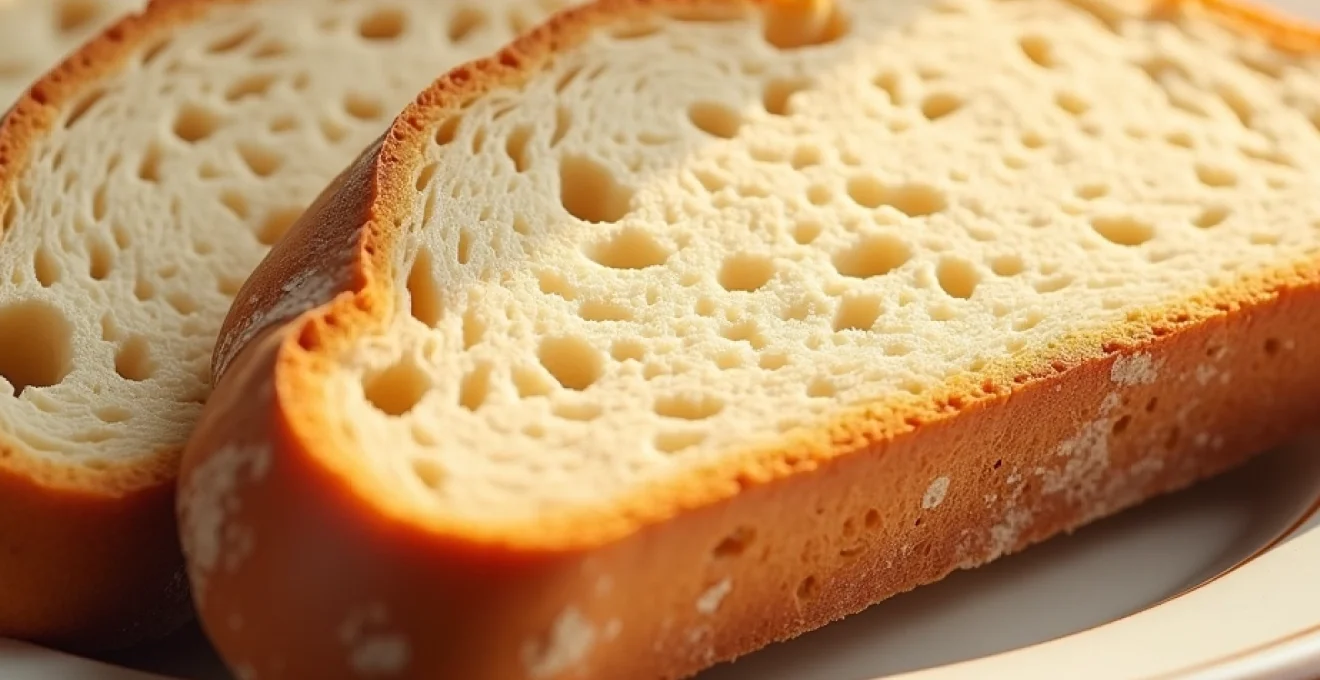
Understanding the caloric content of bread is essential for anyone monitoring their dietary intake, whether for weight management, nutritional planning, or health considerations. A single slice of bread can vary dramatically in calories, ranging from approximately 67 calories for white bread to over 100 calories for artisan varieties. These variations stem from differences in ingredients, manufacturing processes, slice thickness, and bread type. The modern British bread market offers an extensive array of options, each with distinct nutritional profiles that significantly impact your daily caloric consumption. This comprehensive analysis examines the factors influencing bread calories and provides detailed insights into various bread types available in UK supermarkets.
Macronutrient composition and caloric density of standard bread varieties
The macronutrient profile of bread directly influences its caloric density, with carbohydrates typically comprising 70-80% of the total caloric content. Understanding these compositional differences helps explain why certain bread varieties contain significantly more calories per slice than others. The primary macronutrients in bread include carbohydrates from flour, proteins from wheat gluten and added ingredients, and fats from oils or butter used in production.
Standard white bread contains approximately 13 grams of carbohydrates per slice, contributing roughly 52 calories from carbohydrates alone. The protein content typically ranges from 2-4 grams per slice, adding another 8-16 calories, whilst fat content varies from 0.5-2 grams, contributing 4.5-18 calories. This macronutrient distribution creates the baseline caloric range of 67-85 calories per medium slice that characterises most commercial white bread varieties.
Wholemeal and multigrain breads often exhibit higher protein and fibre content, which can slightly increase the overall caloric density. However, the increased fibre content provides greater satiety value, making these varieties more nutritionally beneficial despite potentially higher calorie counts. The complex carbohydrates in wholemeal bread also provide more sustained energy release compared to refined white bread.
White bread caloric values: hovis medium and warburtons medium sliced analysis
Hovis Medium white bread contains approximately 76 calories per 36-gram slice, representing one of the lower-calorie options among mainstream white bread brands. This relatively modest caloric content stems from the brand’s traditional recipe, which emphasises simplicity in ingredients and avoids excessive additions of oils or sugars that can inflate calorie counts.
Warburtons Medium Sliced White Bread delivers 85 calories per slice, reflecting the brand’s slightly richer formulation that includes additional emulsifiers and preservatives. The 9-calorie difference between these brands demonstrates how manufacturing processes and ingredient choices directly impact nutritional content. Warburtons’ higher caloric density results from their use of vegetable oils and additional processing agents that enhance texture and shelf life.
Wholemeal bread energy content: kingsmill 50/50 and mother pride specifications
Kingsmill’s 50/50 bread, which combines white and wholemeal flour, contains approximately 77 calories per slice whilst providing enhanced nutritional value through increased fibre content. This hybrid approach offers a compromise between the familiar taste of white bread and the nutritional benefits of wholemeal varieties. The caloric content remains relatively modest due to the careful balance of ingredients.
Mother Pride wholemeal bread typically contains 85-90 calories per slice, reflecting the higher protein and fibre content inherent in wholemeal flour. The increased caloric density correlates with enhanced nutritional value, including B vitamins, minerals, and dietary fibre that support digestive health and provide sustained energy release throughout the day.
Seeded and multigrain bread caloric profiles: brennans and allinson varieties
Brennans seeded bread varieties typically contain 95-105 calories per slice, with the higher caloric content attributable to the inclusion of nutrient-dense seeds such as sunflower, pumpkin, and sesame seeds. These additions significantly increase the fat content, with seeds contributing healthy unsaturated fats that enhance both flavour and nutritional value.
Allinson multigrain breads generally range from 90-100 calories per slice, depending on the specific grain combination used. The diverse grain profile includes ingredients such as millet, quinoa, and various seeds that contribute additional protein, healthy fats, and essential minerals. This increased nutritional density justifies the higher caloric content for health-conscious consumers.
Sourdough and artisan bread energy density measurements
Sourdough bread presents unique caloric characteristics due to its fermentation process, which can slightly reduce the available carbohydrates through bacterial and yeast activity. A typical slice of sourdough contains 93 calories per 32-gram slice, though artisan varieties can range significantly higher depending on ingredients and production methods.
Artisan breads often exceed 110-120 calories per slice due to enriched formulations that include additional fats, seeds, nuts, or specialty grains. The handcrafted nature of artisan production means caloric content can vary substantially between batches and producers, making precise caloric estimation more challenging for these premium varieties.
Slice weight variables and portion control impact on caloric intake
The weight of individual bread slices represents one of the most significant variables affecting caloric intake from bread consumption. Standard commercial bread producers maintain relatively consistent slice weights within specific product lines, but variations between brands and bread types can create substantial differences in per-slice caloric content. Understanding these weight variations is crucial for accurate caloric calculation and effective portion control.
Most UK bread manufacturers categorise their products into thin, medium, and thick slice options, with each category representing distinct weight ranges and corresponding caloric values. The standardisation of these categories helps consumers make informed choices, though actual weights can vary by up to 20% within the same category due to production tolerances and settling during transport and storage.
Commercial bread slicing equipment operates with preset parameters that can create variations in slice thickness, particularly at the beginning and end of loaves where compression effects are most pronounced.
Standard slice thickness classifications: thin, medium, and thick cut specifications
Thin-sliced bread typically weighs between 20-28 grams per slice, resulting in caloric values ranging from 50-70 calories depending on bread type and density. This category appeals to consumers seeking portion control or those preparing multiple-layer sandwiches where bread volume becomes a consideration. The reduced thickness maintains structural integrity whilst minimising caloric contribution to meals.
Medium-sliced bread, the most popular category in the UK market, weighs approximately 33-40 grams per slice and contains 80-100 calories for most standard varieties. This slice thickness provides optimal balance between structural integrity for sandwich construction and reasonable caloric contribution to daily intake. Most nutritional labelling uses medium slice specifications as the reference standard.
Thick-sliced bread ranges from 45-55 grams per slice, delivering 110-135 calories depending on bread type and formulation. This category suits applications requiring robust structural support, such as toasted sandwiches, French toast, or situations where bread serves as a substantial component of the meal rather than merely a vehicle for other ingredients.
Commercial bakery weight standards: tesco, ASDA, and sainsbury’s comparative analysis
Tesco’s own-brand medium white bread maintains consistent slice weights averaging 36 grams, with caloric content of approximately 85 calories per slice. The supermarket chain emphasises standardisation across its bread range to ensure consistent nutritional labelling accuracy and consumer expectations. Quality control measures monitor slice weight variations to maintain a coefficient of variation below 5%.
ASDA Medium Sliced White Bread demonstrates slightly higher variability in slice weights, ranging from 34-38 grams, which translates to caloric variations of 80-90 calories per slice. This variability reflects different production equipment and quality control standards compared to other major retailers, though it remains within acceptable industry tolerances.
Sainsbury’s maintains some of the most consistent slice weights in the UK market, with medium slices averaging 35 grams with minimal variation. This consistency results from investment in advanced slicing technology and rigorous quality control protocols that monitor and adjust slice thickness in real-time during production.
Artisan bakery portion inconsistencies and caloric estimation challenges
Independent bakeries and artisan bread producers face significant challenges in maintaining consistent slice weights due to manual cutting processes and natural variations in loaf size and density. Hand-sliced artisan bread can vary by 30-50% in weight between slices from the same loaf, creating substantial uncertainty in caloric estimation for consumers tracking their intake.
The irregular shapes and varying densities characteristic of artisan bread production compound the difficulty of accurate caloric assessment. A single slice from an artisan sourdough loaf might weigh anywhere from 40-80 grams, representing a caloric range of 100-200 calories or more, depending on ingredients and production methods.
Carbohydrate content analysis and glycaemic index considerations
The carbohydrate composition of different bread varieties significantly influences both caloric content and metabolic impact, with variations in fibre content, sugar levels, and starch structure affecting how the body processes these calories. White bread typically contains 13-18 grams of carbohydrates per slice, with minimal fibre content ranging from 0.6-1.2 grams. This composition creates a high glycaemic index value of 70-85, indicating rapid blood glucose elevation following consumption.
Wholemeal and multigrain breads present more complex carbohydrate profiles, with total carbohydrate content often reaching 15-20 grams per slice but accompanied by significantly higher fibre levels of 2-4 grams. The increased fibre content moderates the glycaemic response, typically reducing the glycaemic index to 50-65, which provides more sustained energy release and better blood sugar management.
The manufacturing process significantly affects carbohydrate availability and digestibility. Commercial bread production often involves enzymes and processing aids that break down complex starches into more readily digestible forms, potentially increasing the effective caloric availability compared to traditional bread-making methods. This processing can increase the glycaemic index by 10-15 points compared to equivalent artisan breads using traditional fermentation methods.
Recent research indicates that sourdough fermentation can reduce the glycaemic index of bread by 20-30% compared to conventional yeast-based production, whilst maintaining similar overall caloric content.
Specialty breads incorporating seeds, nuts, and alternative grains exhibit more complex carbohydrate profiles with enhanced protein and fat content that further moderates glycaemic response. These additions can increase total calories per slice whilst potentially providing better satiety and more stable blood glucose levels. The caloric density often increases to 100-120 calories per slice, but the improved nutritional profile may justify this increase for health-conscious consumers.
Manufacturing process impact on caloric content and nutritional density
The industrial bread production process significantly influences both the caloric content and nutritional availability of the final product through various processing stages, ingredient additions, and preservation methods. Modern commercial bread manufacturing employs the Chorleywood Bread Process, which reduces fermentation time from hours to minutes through intensive mechanical mixing and chemical additives. This process affects the bread’s structure, digestibility, and ultimately its caloric impact on the consumer.
Emulsifiers such as E472e and E481, commonly found in commercial bread formulations, serve multiple functions that indirectly affect caloric content. These additives improve dough handling, extend shelf life, and modify texture, but they also influence how the bread interacts with digestive processes. The presence of emulsifiers can increase the effective absorption of fats and potentially enhance the bioavailability of calories, making commercial bread slightly more calorically dense in practical terms than equivalent homemade varieties.
Preservatives like calcium propionate, whilst adding minimal direct calories, affect the bread’s interaction with gut microbiota, potentially influencing how effectively the body extracts and utilises calories from the bread. Recent studies suggest that certain preservatives may alter the gut microbiome in ways that affect metabolic efficiency, though the practical implications for caloric absorption remain an area of ongoing research.
| Processing Method | Typical Calories per 100g | Fibre Content (g) | Glycaemic Index |
|---|---|---|---|
| Traditional Fermentation | 240-250 | 2.5-3.0 | 55-65 |
| Chorleywood Process | 250-270 | 2.0-2.5 | 70-80 |
| Sourdough Fermentation | 230-240 | 2.8-3.5 | 50-60 |
The addition of vital wheat gluten in commercial production increases protein content and caloric density whilst improving bread structure and volume. This practice can add 5-10 calories per slice compared to traditional recipes relying solely on flour’s natural gluten content. The enhanced protein content provides better satiety value, potentially offsetting the increased caloric content through improved appetite control.
Enzyme treatments used in commercial bread production, including amylases and xylanases, modify the starch and fibre structures in ways that can affect digestibility and caloric availability. These enzymes can break down complex carbohydrates into more readily digestible forms, potentially increasing the effective caloric yield from each slice by improving the efficiency of carbohydrate absorption in the digestive system.
Comparative caloric analysis: international bread standards vs british specifications
International bread standards reveal significant variations in caloric density and nutritional composition compared to British specifications, reflecting different cultural preferences, regulatory requirements, and manufacturing practices across global markets. European Union regulations mandate specific nutritional labelling standards that often result in more conservative caloric estimates compared to UK practices, whilst American bread formulations typically incorporate higher sugar and fat content, resulting in increased caloric density.
French bread regulations emphasise traditional ingredients and methods, with standard baguette bread containing approximately 270-280 calories per 100 grams compared to UK white bread’s typical 240-250 calories per 100 grams. This difference stems from France’s restriction on additives and emphasis on traditional fermentation methods that create denser, more flavourful bread with higher caloric concentration per unit weight.
German bread standards, particularly for their extensive wholemeal and rye bread varieties, demonstrate how grain selection dramatically affects caloric profiles. German vollkornbrot typically contains 200-220 calories per 100 grams due to its dense, seed-rich composition, whilst delivering substantially higher protein and fibre content compared to equivalent British wholemeal options. The lower caloric density results from higher water content and increased fibre, which contributes minimal calories whilst adding significant nutritional value.
Scandinavian countries maintain some of the most stringent bread standards globally, with mandatory fibre content minimums that often result in lower caloric density but superior nutritional profiles compared to British commercial bread varieties.
American bread formulations typically contain 280-300 calories per 100 grams due to higher sugar content, additional fats, and enrichment practices that increase overall caloric density. The prevalence of high-fructose corn syrup and vegetable oils in American commercial bread creates a significantly different nutritional profile compared to British varieties, with implications for both caloric content and metabolic impact.
Asian bread markets, particularly in Japan and South Korea, emphasise lighter, less dense formulations that often result in lower caloric content per slice despite similar ingredients. Japanese shokupan typically contains 260-270 calories per 100 grams but is sliced thicker than British equivalents, resulting in similar per-slice caloric values through different approaches to portion sizing and texture development. The cultural preference for softer, more delicate textures influences manufacturing processes that affect both caloric density and nutritional availability.