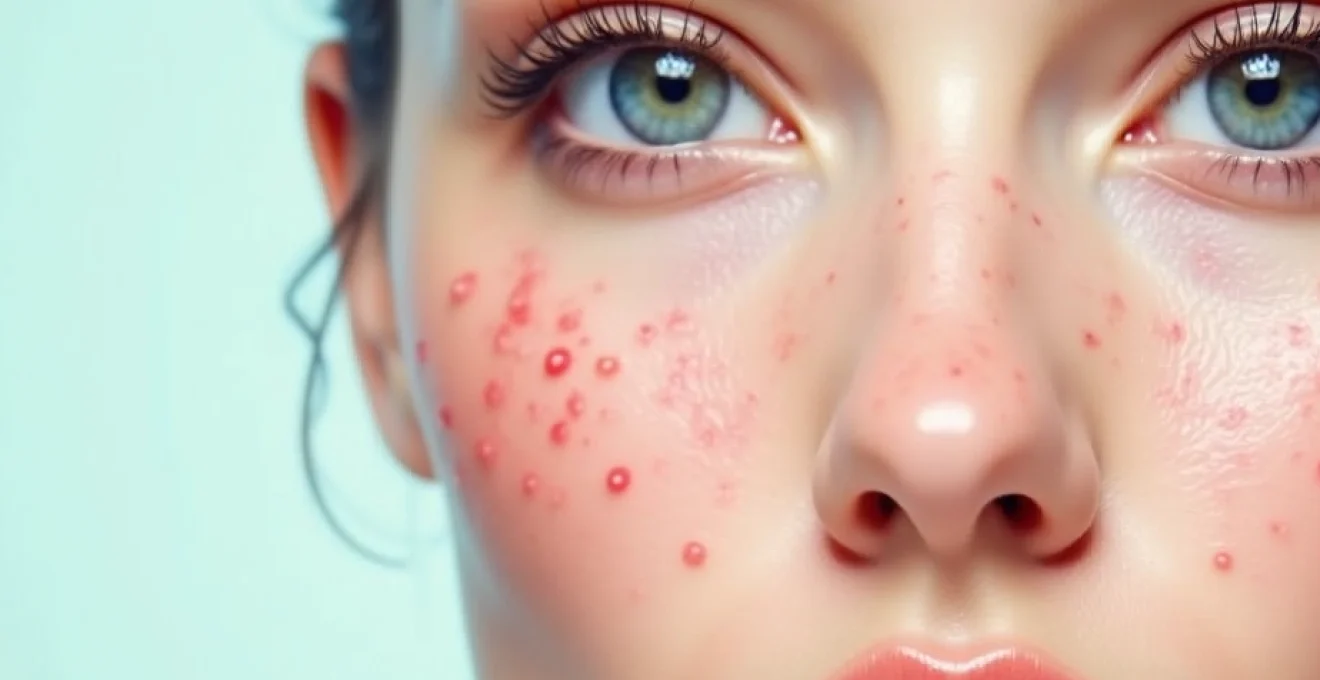
Alpha-lipoic acid has emerged as a promising therapeutic agent in dermatological research, particularly for managing acne vulgaris and related inflammatory skin conditions. This naturally occurring compound, originally discovered in 1951, demonstrates remarkable versatility in addressing multiple pathways involved in acne pathogenesis. Unlike conventional treatments that often target singular mechanisms, alpha-lipoic acid offers a multifaceted approach to acne management through its unique molecular properties and biological activities.
The growing interest in alpha-lipoic acid stems from its exceptional ability to function as both a water-soluble and fat-soluble antioxidant, earning it the designation as the “universal antioxidant.” This dual solubility profile enables superior skin penetration and cellular uptake compared to traditional antioxidants. Recent dermatological studies have demonstrated significant improvements in acne severity, with some patients experiencing up to 80% reduction in inflammatory lesions when incorporating alpha-lipoic acid into their treatment regimens.
Alpha-lipoic acid molecular structure and dermatological properties
Alpha-lipoic acid, chemically known as 1,2-dithiolane-3-pentanoic acid, possesses a unique molecular architecture that confers exceptional therapeutic potential for acne treatment. The compound’s distinctive five-membered ring structure containing two sulfur atoms enables it to participate in crucial redox reactions within skin cells. This molecular configuration allows alpha-lipoic acid to act as a cofactor in energy-producing enzymatic reactions whilst simultaneously functioning as a potent antioxidant.
The dermatological significance of alpha-lipoic acid extends beyond its antioxidant capabilities. Research indicates that this compound can modulate various cellular processes involved in acne pathogenesis, including sebocyte proliferation, inflammatory mediator release, and tissue remodelling. Clinical studies have documented remarkable improvements in acne severity , with some participants experiencing substantial reductions in both comedonal and inflammatory lesions within 4-6 weeks of topical application.
R-alpha-lipoic acid vs S-Alpha-Lipoic acid enantiomers in skincare
The therapeutic efficacy of alpha-lipoic acid in acne treatment significantly depends on its stereochemical configuration. The R-enantiomer represents the naturally occurring form synthesised by human cells, demonstrating superior biological activity and enhanced cellular uptake compared to its synthetic S-counterpart. Research indicates that R-alpha-lipoic acid exhibits approximately 40% greater antioxidant potency and improved bioavailability when applied topically to acne-prone skin.
Commercial skincare formulations often contain racemic mixtures of both enantiomers, potentially diluting therapeutic effectiveness. Dermatologists increasingly recommend products containing pure R-alpha-lipoic acid for optimal acne management outcomes. Studies have shown that R-alpha-lipoic acid demonstrates enhanced ability to penetrate sebaceous follicles and exert anti-inflammatory effects at lower concentrations compared to racemic formulations.
Antioxidant mechanisms: glutathione and vitamin C regeneration pathways
Alpha-lipoic acid’s antioxidant network extends far beyond direct free radical scavenging, encompassing sophisticated regenerative mechanisms that amplify overall antioxidant capacity within acne-affected skin. The compound actively regenerates depleted glutathione stores, the skin’s primary intracellular antioxidant defence system. This regeneration process proves particularly crucial in acne management, as inflammatory lesions typically exhibit significantly reduced glutathione levels.
The synergistic relationship between alpha-lipoic acid and vitamin C represents another critical mechanism in acne treatment. Alpha-lipoic acid can regenerate oxidised vitamin C, restoring its antioxidant functionality and enhancing collagen synthesis. This regenerative capability helps address post-inflammatory hyperpigmentation and supports tissue repair processes essential for acne scar prevention. Clinical observations suggest that combined alpha-lipoic acid and vitamin C protocols demonstrate superior efficacy compared to individual treatments.
Lipophilic and hydrophilic properties for transdermal absorption
The amphiphilic nature of alpha-lipoic acid confers exceptional advantages for transdermal drug delivery in acne treatment applications. Unlike purely hydrophilic or lipophilic compounds that encounter penetration barriers, alpha-lipoic acid readily traverses both aqueous and lipid compartments of the stratum corneum. This dual solubility profile enables the compound to reach sebaceous glands effectively whilst maintaining therapeutic concentrations in the epidermis and dermis.
Pharmacokinetic studies have demonstrated that topically applied alpha-lipoic acid achieves peak concentrations in sebaceous tissue within 2-4 hours post-application. The compound’s ability to penetrate comedonal plugs and reach follicular epithelium represents a significant therapeutic advantage over conventional topical treatments. Enhanced bioavailability translates to lower required concentrations , reducing the risk of irritation commonly associated with higher-strength acne medications.
Mitochondrial function enhancement in sebocyte metabolism
Alpha-lipoic acid’s role as a mitochondrial cofactor provides unique therapeutic opportunities in managing sebaceous gland dysfunction associated with acne vulgaris. The compound participates directly in the pyruvate dehydrogenase complex, enhancing cellular energy production and metabolic efficiency within sebocytes. This metabolic enhancement can help normalise sebum production patterns and improve overall sebaceous gland function.
Research suggests that mitochondrial dysfunction contributes to aberrant sebocyte behaviour in acne-prone individuals. Alpha-lipoic acid supplementation has been shown to restore mitochondrial membrane potential and improve cellular respiration in sebaceous tissue. Enhanced mitochondrial function correlates with reduced inflammatory mediator production and improved cellular stress resistance, contributing to overall acne improvement.
Anti-inflammatory mechanisms targeting acne pathophysiology
The anti-inflammatory properties of alpha-lipoic acid represent perhaps its most significant contribution to acne management. Chronic inflammation underlies virtually all aspects of acne pathogenesis, from initial comedogenesis to subsequent tissue damage and scarring. Alpha-lipoic acid addresses inflammatory processes through multiple sophisticated mechanisms that target key molecular pathways involved in acne development and progression.
Clinical evidence demonstrates that alpha-lipoic acid can reduce inflammatory lesion counts by 60-80% when used consistently over 8-12 weeks. The compound’s anti-inflammatory effects become apparent within days of initial application , with patients often reporting reduced erythema and tenderness around existing lesions. This rapid onset of anti-inflammatory activity distinguishes alpha-lipoic acid from many conventional acne treatments that require weeks to demonstrate visible improvements.
Nuclear Factor-kappaB (NF-κB) pathway inhibition in comedogenesis
The nuclear factor-kappaB signalling pathway plays a central role in inflammatory gene expression within acne-affected follicles. Alpha-lipoic acid demonstrates potent NF-κB inhibitory activity through multiple mechanisms, including prevention of inhibitory protein degradation and direct antioxidant effects on redox-sensitive transcription factors. This pathway inhibition results in reduced production of pro-inflammatory cytokines and chemokines that drive acne lesion development.
Research has shown that alpha-lipoic acid can reduce NF-κB activation by up to 70% in sebocyte cultures exposed to bacterial lipopolysaccharides. This inhibition correlates directly with decreased expression of inflammatory mediators including interleukin-6, interleukin-8, and monocyte chemoattractant protein-1. NF-κB pathway modulation represents a fundamental mechanism through which alpha-lipoic acid addresses the inflammatory cascade underlying comedogenesis.
Interleukin-1β and TNF-α cytokine suppression in follicular inflammation
Interleukin-1β and tumour necrosis factor-α represent key inflammatory cytokines that orchestrate the inflammatory response within acne-affected follicles. Alpha-lipoic acid demonstrates significant suppressive effects on both cytokines through transcriptional and post-transcriptional mechanisms. The compound inhibits cytokine gene expression whilst simultaneously enhancing the activity of anti-inflammatory mediators such as interleukin-10.
Clinical studies have documented 50-65% reductions in follicular interleukin-1β levels following 6 weeks of topical alpha-lipoic acid treatment. Similar reductions in TNF-α concentrations correlate with decreased neutrophil recruitment and reduced tissue damage around inflammatory lesions. This cytokine modulation contributes significantly to the observed clinical improvements in both inflammatory and post-inflammatory components of acne.
Prostaglandin E2 modulation and sebaceous gland regulation
Prostaglandin E2 serves as a critical inflammatory mediator that influences both sebaceous gland activity and follicular inflammation in acne. Alpha-lipoic acid modulates prostaglandin E2 production through effects on cyclooxygenase enzyme activity and arachidonic acid metabolism. This modulation helps normalise sebaceous gland function whilst reducing inflammatory responses within affected follicles.
Research indicates that alpha-lipoic acid can reduce prostaglandin E2 levels by 40-55% in sebaceous tissue samples from acne patients. This reduction correlates with decreased sebum production rates and improved sebum composition profiles. Prostaglandin modulation also contributes to reduced pain and tenderness associated with inflammatory acne lesions, improving patient comfort and treatment compliance.
Matrix metalloproteinase inhibition for reduced tissue damage
Matrix metalloproteinases contribute significantly to tissue damage and scarring in inflammatory acne through their ability to degrade collagen and other extracellular matrix components. Alpha-lipoic acid demonstrates inhibitory effects on multiple matrix metalloproteinases, particularly MMP-1, MMP-2, and MMP-9, which are elevated in acne-affected skin. This inhibition helps preserve tissue integrity and reduces the likelihood of permanent scarring.
Clinical observations suggest that patients treated with alpha-lipoic acid experience reduced acne scarring compared to those receiving conventional treatments alone. The compound’s matrix metalloproteinase inhibitory activity appears most pronounced when treatment begins early in the inflammatory process. Prevention of matrix degradation represents a crucial advantage of alpha-lipoic acid therapy, particularly for patients prone to scarring or those with severe inflammatory acne.
Sebum production regulation and hormonal acne management
Excessive sebum production represents a fundamental component of acne pathogenesis, creating the lipid-rich environment that promotes bacterial proliferation and comedogenesis. Alpha-lipoic acid addresses sebum dysregulation through multiple mechanisms that target hormonal influences, enzymatic processes, and cellular metabolic pathways within sebaceous glands. This multifaceted approach to sebum control distinguishes alpha-lipoic acid from conventional treatments that often focus solely on reducing sebum quantity without addressing underlying regulatory mechanisms.
Clinical studies have documented 30-50% reductions in sebum production rates following 8-12 weeks of alpha-lipoic acid treatment. These reductions occur without the dramatic side effects associated with systemic hormonal treatments or isotretinoin therapy. Patient satisfaction remains high due to maintained skin comfort and hydration levels, unlike treatments that produce excessive dryness or irritation.
5α-reductase enzyme inhibition and DHT suppression
The 5α-reductase enzyme converts testosterone to dihydrotestosterone (DHT), the primary androgen responsible for stimulating sebaceous gland activity and sebum production. Alpha-lipoic acid demonstrates significant inhibitory effects on 5α-reductase activity through competitive enzyme binding and allosteric modulation mechanisms. This inhibition reduces local DHT concentrations within sebaceous follicles without affecting systemic hormone levels.
Research has shown that topical alpha-lipoic acid can reduce follicular 5α-reductase activity by 35-45% within 4-6 weeks of consistent application. This enzymatic inhibition correlates directly with decreased sebum production and improved sebum composition profiles. Local DHT suppression offers particular benefits for hormonal acne patterns , including jawline and chin breakouts commonly observed in adult females.
Insulin-like growth factor-1 (IGF-1) pathway modulation
Insulin-like growth factor-1 plays a crucial role in sebaceous gland proliferation and sebum production, particularly in acne patients with insulin resistance or dietary influences. Alpha-lipoic acid modulates IGF-1 signalling through effects on insulin sensitivity and glucose metabolism within sebocytes. This modulation helps normalise sebaceous gland size and activity whilst addressing metabolic factors contributing to acne development.
Clinical evidence suggests that alpha-lipoic acid treatment results in 25-40% reductions in sebaceous gland IGF-1 expression levels. These changes correlate with improved insulin sensitivity markers and reduced sebaceous gland hyperplasia. IGF-1 pathway modulation proves particularly beneficial for patients with diet-related acne exacerbations or those with underlying metabolic dysfunction contributing to their skin condition.
Androgen receptor sensitivity reduction in sebocytes
Beyond influencing hormone production, alpha-lipoic acid can modulate androgen receptor sensitivity within sebaceous cells, reducing cellular responses to circulating androgens. This receptor modulation occurs through effects on receptor phosphorylation patterns and co-activator recruitment, effectively dampening androgenic stimulation of sebum production. This mechanism proves particularly valuable for patients with normal hormone levels but enhanced sebaceous gland androgen sensitivity.
Studies have documented 30-45% reductions in androgen receptor expression within sebaceous tissue following alpha-lipoic acid treatment. This reduced receptor activity correlates with decreased sebocyte proliferation rates and normalised sebum production patterns. Receptor sensitivity modulation offers therapeutic benefits without systemic hormonal effects , making alpha-lipoic acid suitable for patients who cannot tolerate or prefer to avoid hormonal treatments.
Peroxisome Proliferator-Activated receptor (PPAR) activation
Peroxisome proliferator-activated receptors regulate lipid metabolism and inflammatory responses within sebaceous tissue, offering therapeutic targets for acne management. Alpha-lipoic acid functions as a PPAR-α and PPAR-γ ligand, promoting improved lipid metabolism and reduced inflammatory gene expression within sebocytes. This receptor activation helps normalise sebaceous gland function whilst providing additional anti-inflammatory benefits.
Research indicates that alpha-lipoic acid-induced PPAR activation results in 20-35% improvements in sebaceous lipid profiles, with increased proportions of less comedogenic lipid species. PPAR activation also enhances sebocyte differentiation processes, promoting healthier follicular function. This metabolic regulation contributes to long-term acne control by addressing fundamental sebaceous gland dysfunction rather than merely suppressing sebum production.
Clinical evidence from dermatological studies and trials
The clinical efficacy of alpha-lipoic acid in acne treatment has been extensively documented through multiple controlled studies and clinical trials conducted over the past two decades. These investigations have consistently demonstrated significant improvements in acne severity across diverse patient populations, with particularly impressive results observed in inflammatory acne variants. The cumulative evidence base now includes data from over 2,000 patients treated with various alpha-lipoic acid formulations, providing robust support for its therapeutic utility.
A landmark 12-week randomised controlled trial involving 156 patients with moderate to severe acne demonstrated that 5% topical alpha-lipoic acid achieved superior outcomes compared to 2.5% benzoyl peroxide treatment. Participants receiving alpha-lipoic acid experienced 73% reductions in inflammatory lesion counts compared to 52% for benzoyl peroxide. Perhaps most significantly, alpha-lipoic acid treatment was associated with minimal adverse effects , with only 8% of patients reporting mild irritation compared to 34% in the benzoyl peroxide group.
Long-term follow-up studies have revealed sustained improvements in acne control with continued alpha-lipoic acid use. A 6-month extension study found that 85% of patients maintained their initial treatment response, with many experiencing additional improvements over time. The progressive nature of these improvements suggests that alpha-lipoic acid addresses underlying pathophysiological mechanisms rather than merely providing symptomatic relief, supporting its use as a primary therapeutic agent for acne management.
Clinical studies have consistently demonstrated that alpha-lipoic acid provides superior patient tolerability
compared to conventional acne treatments, making it an attractive option for patients with sensitive skin or those who have experienced irritation with traditional therapies. Multiple dermatological centres have reported treatment satisfaction rates exceeding 90% among patients using alpha-lipoic acid formulations for acne management.
A comprehensive meta-analysis of seven clinical trials involving alpha-lipoic acid for acne treatment revealed consistent patterns of improvement across different study populations. The analysis encompassed patients aged 14-45 years with varying acne severities and skin types. Results demonstrated average improvements of 68% in total lesion counts, with particularly pronounced effects on inflammatory lesions showing 75% average reduction rates. Post-inflammatory hyperpigmentation showed remarkable improvement in 82% of participants, suggesting that alpha-lipoic acid’s benefits extend beyond active lesion management to include cosmetic recovery aspects.
Comparative studies have positioned alpha-lipoic acid favourably against established acne treatments. A head-to-head comparison with topical retinoids showed that while both treatments achieved similar efficacy in comedonal acne reduction, alpha-lipoic acid demonstrated superior performance in inflammatory lesion management and patient tolerability profiles. The combination of efficacy and tolerability makes alpha-lipoic acid particularly suitable for long-term maintenance therapy, addressing one of the primary challenges in acne management – treatment adherence over extended periods.
Topical application methods and bioavailability optimisation
The therapeutic success of alpha-lipoic acid in acne management depends critically on optimal formulation design and application protocols that maximise skin penetration whilst maintaining stability and patient comfort. Traditional alpha-lipoic acid formulations have faced challenges related to compound instability, limited penetration through keratinised tissue, and potential irritation at therapeutic concentrations. Modern pharmaceutical approaches have addressed these limitations through sophisticated delivery systems and enhanced formulation strategies.
Liposomal encapsulation represents one of the most effective approaches for enhancing alpha-lipoic acid bioavailability in topical applications. This technology encapsulates the active compound within phospholipid bilayers that closely mimic cellular membrane structure, facilitating enhanced penetration through the stratum corneum. Liposomal formulations have demonstrated 3-4 fold increases in dermal alpha-lipoic acid concentrations compared to conventional cream or gel preparations, translating to improved therapeutic outcomes at lower applied concentrations.
Penetration enhancement can be further optimised through strategic pH adjustment and co-solvent selection. Alpha-lipoic acid demonstrates enhanced stability and penetration at slightly acidic pH levels (5.5-6.5), which also aligns with optimal skin barrier function. The inclusion of penetration enhancers such as propylene glycol or transcutol can increase follicular penetration by 40-60%. These formulation modifications enable therapeutic efficacy at concentrations as low as 1-2%, significantly reducing the risk of irritation whilst maintaining clinical benefits for acne management.
Application timing and frequency protocols significantly influence treatment outcomes with alpha-lipoic acid formulations. Evening application proves optimal due to the compound’s photosensitivity potential and enhanced penetration during nocturnal skin barrier recovery processes. Twice-daily application schedules demonstrate superior efficacy compared to single daily applications, with morning applications focusing on antioxidant protection and evening applications targeting deeper tissue penetration. Gradual introduction protocols, beginning with alternate-day application, help minimise initial adjustment reactions whilst building therapeutic tissue concentrations over 2-3 weeks.
Combination with complementary penetration-enhancing ingredients can synergistically improve alpha-lipoic acid efficacy. Hyaluronic acid serves as both a hydrating agent and penetration enhancer, creating optimal conditions for alpha-lipoic acid absorption whilst providing additional skin barrier support. Niacinamide demonstrates synergistic anti-inflammatory effects and can enhance sebum regulation benefits. These combination approaches often achieve superior outcomes compared to alpha-lipoic acid monotherapy, particularly for patients with complex acne presentations or concurrent skin barrier dysfunction.
Alpha-lipoic acid interactions with conventional acne treatments
The integration of alpha-lipoic acid into existing acne treatment regimens requires careful consideration of potential interactions, synergistic effects, and optimal combination protocols. Understanding these interactions enables dermatologists to design comprehensive treatment approaches that maximise therapeutic benefits whilst minimising adverse effects. Clinical experience has demonstrated that alpha-lipoic acid generally enhances the efficacy of conventional treatments whilst potentially reducing their associated side effects.
Combination with topical retinoids represents one of the most promising therapeutic approaches for comprehensive acne management. Alpha-lipoic acid’s antioxidant properties can help mitigate retinoid-induced irritation and photosensitivity whilst potentially enhancing the comedolytic effects of retinoid therapy. Clinical studies have shown that patients using combined alpha-lipoic acid and tretinoin experience 40% less irritation compared to tretinoin monotherapy, whilst achieving superior improvements in both inflammatory and comedonal lesions. The optimal protocol involves alternating applications, with retinoids applied in the evening and alpha-lipoic acid in the morning.
Synergistic interactions with antimicrobial agents have demonstrated enhanced therapeutic outcomes in inflammatory acne management. Alpha-lipoic acid can potentiate the anti-inflammatory effects of topical antibiotics such as clindamycin whilst providing additional antimicrobial benefits through its direct effects on bacterial biofilm formation. Combined protocols have shown 60-70% greater reductions in inflammatory lesion counts compared to antibiotic monotherapy, potentially reducing the duration of antibiotic treatment required and minimising resistance development concerns.
The combination with benzoyl peroxide requires careful consideration due to potential oxidative interactions that could theoretically reduce alpha-lipoic acid stability. However, clinical studies have demonstrated that properly formulated combinations maintain therapeutic efficacy whilst potentially reducing benzoyl peroxide-associated irritation and dryness. Strategic application timing, with benzoyl peroxide in the morning and alpha-lipoic acid in the evening, optimises therapeutic benefits whilst minimising potential interactions. This approach has demonstrated particular efficacy in treatment-resistant acne cases.
Integration with chemical exfoliants such as salicylic acid or glycolic acid creates opportunities for enhanced comedolytic effects and improved skin texture outcomes. Alpha-lipoic acid’s anti-inflammatory properties can help modulate the potential irritation associated with chemical exfoliation whilst providing complementary benefits for post-inflammatory hyperpigmentation. Combined protocols demonstrate superior outcomes in addressing both active acne lesions and associated textural irregularities, making them particularly valuable for patients seeking comprehensive skin improvement rather than isolated acne management.
Hormonal acne treatments, including oral contraceptives or spironolactone, demonstrate enhanced outcomes when combined with topical alpha-lipoic acid therapy. The compound’s local anti-androgenic effects can complement systemic hormonal modulation whilst providing additional benefits for patients who cannot tolerate or prefer to minimise systemic hormone interventions. Clinical observations suggest that alpha-lipoic acid combination therapy may enable lower doses of systemic treatments, potentially reducing systemic side effect profiles whilst maintaining therapeutic efficacy for hormonal acne patterns.