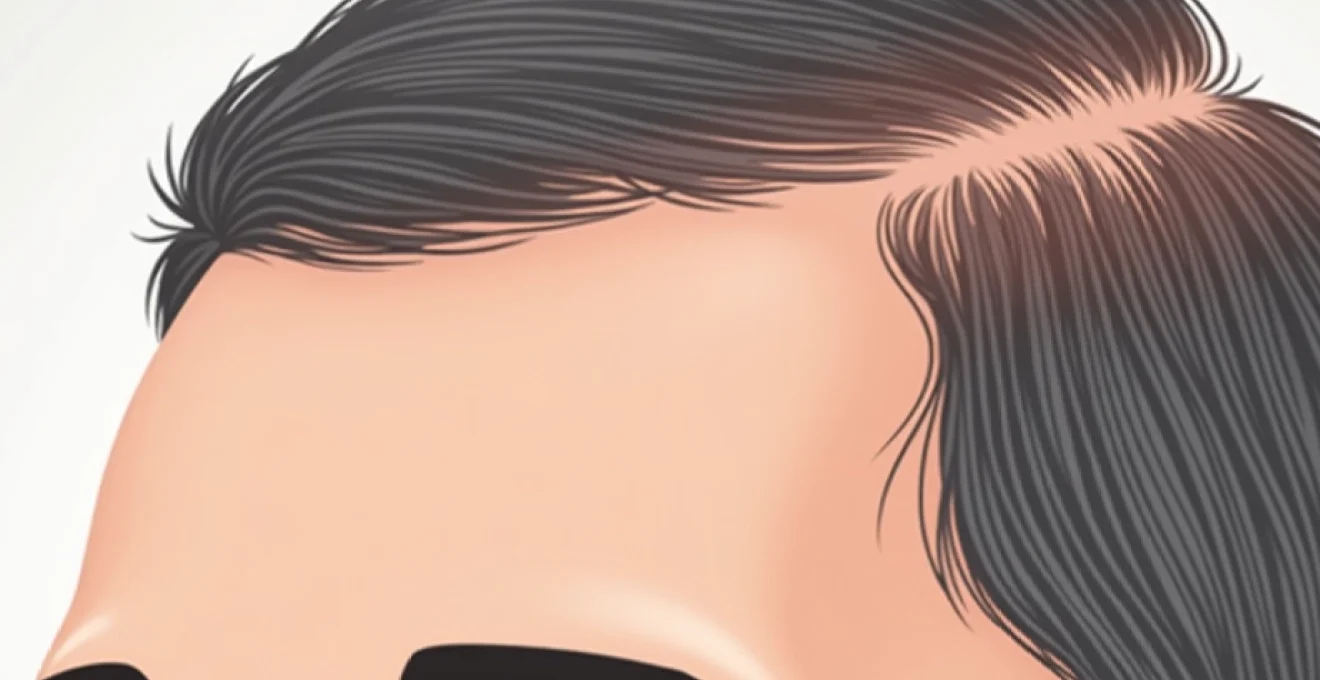
Hair loss remains one of the most distressing side effects experienced by patients taking cardiovascular medications, particularly beta-blockers like atenolol. While the primary focus of antihypertensive therapy centres on controlling blood pressure and reducing cardiovascular risk, the aesthetic and psychological impact of drug-induced alopecia can significantly affect patient compliance and quality of life. Atenolol, a widely prescribed selective beta-1 adrenergic receptor antagonist, has been associated with various forms of hair loss, ranging from diffuse thinning to more pronounced balding patterns. Understanding the mechanisms underlying this adverse effect, along with strategies for prevention and management, becomes crucial for healthcare professionals seeking to optimise patient outcomes whilst maintaining therapeutic efficacy. The relationship between atenolol and hair loss involves complex interactions between cardiovascular physiology, hair follicle biology, and hormonal regulation that warrant detailed examination.
Atenolol’s mechanism of action and Beta-Blocker classification
Selective beta-1 adrenergic receptor antagonism
Atenolol functions as a selective beta-1 adrenergic receptor antagonist , distinguishing it from non-selective beta-blockers through its preferential binding to cardiac beta-1 receptors. This selectivity reduces the medication’s impact on beta-2 receptors found in bronchial smooth muscle, making it a safer option for patients with respiratory conditions. The drug’s molecular structure enables it to compete with endogenous catecholamines, particularly noradrenaline and adrenaline, for receptor binding sites within cardiac tissue.
The selectivity of atenolol for beta-1 receptors occurs at therapeutic doses, though this selectivity diminishes at higher concentrations. This pharmacological property influences not only cardiovascular effects but may also contribute to hair follicle dysfunction through altered sympathetic nervous system activity. Hair follicles contain both alpha and beta adrenergic receptors, and the disruption of normal sympathetic signalling can affect the hair growth cycle’s delicate balance.
Cardiovascular effects on heart rate and blood pressure
The primary therapeutic mechanism involves reducing heart rate and myocardial contractility through beta-1 receptor blockade, subsequently decreasing cardiac output and blood pressure. Atenolol also reduces renin release from the kidneys, contributing to long-term blood pressure control through decreased activation of the renin-angiotensin-aldosterone system. These cardiovascular effects create systemic changes that can indirectly influence hair follicle perfusion and metabolism.
Reduced cardiac output and altered peripheral circulation may compromise blood flow to hair follicles, particularly those in the scalp’s peripheral areas. The dermal papilla, which supplies nutrients to growing hair, requires adequate vascularisation for optimal function. Chronic alterations in microcirculation can shift hair follicles from the active anagen phase to the resting telogen phase, precipitating hair loss. This vascular hypothesis partially explains why some patients experience hair thinning primarily in areas with relatively poor circulation.
Pharmacokinetic profile and renal elimination pathway
Atenolol exhibits unique pharmacokinetic properties among beta-blockers, with poor lipophilicity resulting in minimal central nervous system penetration. The drug is primarily eliminated unchanged through renal excretion, with approximately 85-100% of the dose recovered in urine within 24 hours. This renal elimination pathway necessitates dose adjustments in patients with kidney disease and may contribute to accumulation-related side effects, including hair loss.
The drug’s half-life of approximately 6-7 hours allows for once-daily dosing, maintaining therapeutic beta-blockade throughout the 24-hour period. However, this sustained receptor occupancy means that hair follicles experience continuous exposure to beta-1 receptor antagonism, potentially disrupting the normal circadian rhythms that regulate hair growth cycles. The pharmacokinetic profile also influences how quickly hair loss reverses upon discontinuation, as complete drug elimination typically occurs within several days.
Comparison with propranolol and metoprolol Beta-Blockers
Unlike propranolol, which blocks both beta-1 and beta-2 receptors and readily crosses the blood-brain barrier, atenolol’s selectivity and hydrophilic nature result in different side effect profiles. Propranolol’s non-selective blockade affects peripheral blood vessels more significantly, potentially causing greater circulation compromise to hair follicles. However, propranolol’s central nervous system effects may also influence hair growth through alterations in stress hormone production and sleep patterns.
Metoprolol, another selective beta-1 blocker, shares similar receptor specificity with atenolol but differs in lipophilicity and metabolism. Metoprolol undergoes extensive hepatic metabolism, creating active metabolites that may have different effects on hair follicles compared to atenolol’s unchanged renal elimination. Clinical observations suggest varying incidences of hair loss among different beta-blockers, though definitive comparative studies remain limited. The choice between these agents often depends on patient-specific factors, including tolerance for hair-related side effects.
Drug-induced alopecia pathophysiology in Beta-Blocker therapy
Telogen effluvium mechanism following Beta-Blockade
The most common pattern of hair loss associated with atenolol involves telogen effluvium , characterised by premature entry of hair follicles into the resting phase. This condition typically manifests 2-4 months after initiating beta-blocker therapy, reflecting the normal hair cycle timing. During telogen effluvium, the proportion of hairs in the telogen phase increases from the normal 10-15% to potentially 30% or more, resulting in diffuse hair shedding.
Beta-blockade appears to disrupt the normal signalling pathways that maintain hair follicles in the active anagen phase. Sympathetic nervous system activity normally supports anagen maintenance through various neurotransmitter and growth factor interactions. When atenolol blocks these pathways, follicles may prematurely transition through the brief catagen phase into telogen, where hair growth ceases and eventual shedding occurs. This mechanism explains why hair loss from atenolol typically presents as generalised thinning rather than localised baldness.
Androgenetic alopecia acceleration through DHT modulation
Atenolol may accelerate androgenetic alopecia in genetically predisposed individuals through complex interactions with hormonal pathways. Beta-blockers can influence the hypothalamic-pituitary-adrenal axis, potentially altering the production and metabolism of androgens. Changes in circulation and tissue oxygenation may also affect the activity of 5-alpha reductase, the enzyme responsible for converting testosterone to the more potent dihydrotestosterone (DHT).
In susceptible individuals, even modest increases in DHT activity or sensitivity can precipitate pattern hair loss. The combination of beta-blocker-induced circulatory changes and hormonal fluctuations creates an environment conducive to follicle miniaturisation.
Patients with a family history of androgenetic alopecia may experience more pronounced hair loss when taking atenolol, as the medication can unmask or accelerate genetically programmed balding patterns.
This interaction explains why some patients develop permanent hair loss that persists even after discontinuing the medication.
Anagen phase disruption and hair follicle miniaturisation
Chronic beta-blockade can directly interfere with the anagen phase of hair growth, during which rapid cell division and protein synthesis occur within the hair bulb. The anagen phase typically lasts 2-7 years and determines final hair length and thickness. Atenolol’s effects on cellular metabolism, protein synthesis, and growth factor signalling can compromise the follicle’s ability to maintain this active growth state.
Progressive follicle miniaturisation may occur through repeated cycles of shortened anagen phases, leading to the production of increasingly fine, short hairs. This process mirrors the changes seen in androgenetic alopecia but occurs through different mechanisms. Nutritional and metabolic stress induced by altered cardiovascular dynamics can further compromise follicle function. The result is a gradual transformation of terminal hairs into vellus-like hairs that eventually cease production entirely.
Vascular compromise to hair follicle dermal papilla
The dermal papilla, located at the base of each hair follicle, requires robust vascularisation to support the high metabolic demands of hair production. Atenolol’s cardiovascular effects, including reduced cardiac output and altered peripheral resistance, can compromise microcirculation to these structures. The scalp’s blood supply, already relatively limited compared to other body regions, becomes further restricted under beta-blockade conditions.
Chronic hypoperfusion of the dermal papilla leads to reduced delivery of oxygen, nutrients, and growth factors essential for hair formation. This vascular compromise particularly affects the most metabolically active follicles, typically those producing thick, pigmented hairs. The result is a preferential loss of terminal hairs , creating the appearance of diffuse thinning that characterises atenolol-induced alopecia. Recovery depends largely on restoration of adequate circulation, which may take months after medication discontinuation.
Clinical evidence and case studies of Atenolol-Associated hair loss
Clinical documentation of atenolol-induced hair loss emerged shortly after the drug’s introduction into clinical practice in the 1970s. Early case reports described diffuse alopecia occurring within 2-6 months of therapy initiation, with hair loss patterns ranging from mild thinning to more dramatic shedding requiring cosmetic intervention. These initial observations established the temporal relationship between atenolol exposure and hair loss, with most cases showing improvement upon drug discontinuation.
Systematic studies examining the incidence of hair loss with atenolol remain limited, partly due to the subjective nature of hair loss assessment and the multifactorial causes of alopecia. Available data suggest that clinically significant hair loss occurs in approximately 1-5% of patients taking atenolol, though mild thinning may be more common. Women appear more susceptible to atenolol-induced hair loss, possibly due to hormonal differences and greater awareness of cosmetic changes. The incidence also appears dose-dependent, with higher rates reported at doses exceeding 100mg daily.
Comparative studies with other beta-blockers have yielded conflicting results regarding the relative risk of hair loss with different agents. Some evidence suggests that non-selective beta-blockers like propranolol may cause more frequent hair loss due to their broader receptor effects, whilst others indicate similar rates across the beta-blocker class.
The variability in reported incidence rates reflects the challenges of studying cosmetic side effects in clinical trials, where hair loss may be underreported or attributed to other factors such as stress or concurrent medications.
Long-term observational studies would provide more definitive data on the true incidence and risk factors for atenolol-induced alopecia.
Patient characteristics associated with increased risk include advanced age, female gender, concurrent use of other medications known to cause hair loss, and underlying conditions affecting hair growth such as thyroid disorders or nutritional deficiencies. The severity of hair loss varies considerably, from subtle thinning noticeable only to the patient to pronounced alopecia requiring therapeutic intervention. Recovery patterns also show significant variation, with some patients experiencing complete regrowth within 6 months of discontinuation whilst others show only partial improvement or require additional treatments to stimulate hair recovery.
Differential diagnosis: distinguishing Atenolol-Induced alopecia from alternative causes
Thyroid dysfunction and hypothyroidism screening
Thyroid disorders represent one of the most common medical causes of hair loss and must be carefully excluded when evaluating atenolol-associated alopecia. Hypothyroidism, in particular, can cause diffuse hair thinning that closely resembles drug-induced telogen effluvium. The relationship between beta-blockers and thyroid function adds complexity to this diagnostic challenge, as atenolol can mask some symptoms of hyperthyroidism and may be prescribed for thyrotoxicosis management.
Comprehensive thyroid function testing should include thyroid-stimulating hormone (TSH), free thyroxine (T4), and free triiodothyronine (T3) measurements. Subclinical thyroid dysfunction , characterised by abnormal TSH with normal thyroid hormone levels, can also contribute to hair loss and may be overlooked in routine screening. The temporal relationship between medication initiation and hair loss onset provides crucial diagnostic information, as thyroid-related hair loss typically develops more gradually over months to years.
Iron deficiency anaemia and ferritin level assessment
Iron deficiency represents another frequent cause of hair loss, particularly in premenopausal women and individuals with gastrointestinal conditions. The assessment of iron status requires multiple parameters, including serum ferritin, transferrin saturation, and complete blood count analysis. Ferritin levels below 30-40 ng/mL may contribute to hair loss even in the absence of overt anaemia, necessitating careful evaluation of iron stores.
The interaction between cardiovascular medications and iron absorption can complicate diagnosis, as some antihypertensive agents may affect gastrointestinal function or dietary iron uptake. Chronic disease states requiring beta-blocker therapy, such as heart failure or coronary artery disease, may also predispose to iron deficiency through various mechanisms. Distinguishing between iron deficiency and drug-induced hair loss requires careful attention to laboratory values, dietary history, and response to iron supplementation.
Androgenetic alopecia pattern recognition
Androgenetic alopecia follows characteristic patterns that differ from drug-induced telogen effluvium, though overlap can occur when atenolol accelerates genetic predisposition. Male pattern baldness typically begins with temporal recession and vertex thinning, progressing according to the Hamilton-Norwood scale. Female pattern hair loss more commonly presents as diffuse thinning over the crown with preservation of the frontal hairline, following the Ludwig classification system.
The distinction becomes challenging when atenolol unmasks or accelerates underlying androgenetic alopecia, creating patterns that combine elements of both conditions. Family history of baldness, age of onset, and distribution pattern provide important diagnostic clues.
Detailed examination of hair density, calibre, and length in different scalp regions can help differentiate between pure drug-induced telogen effluvium and acceleration of pattern hair loss.
Dermoscopy or trichoscopy may reveal characteristic findings such as hair diameter diversity and perifollicular inflammation that aid in diagnosis.
Concurrent medication interactions with ACE inhibitors
Patients taking atenolol frequently receive concurrent antihypertensive medications, particularly ACE inhibitors or angiotensin receptor blockers, which can independently cause hair loss. The combination of multiple blood pressure medications may create additive effects on circulation and hair follicle function. ACE inhibitors like lisinopril and ramipril have been associated with diffuse alopecia through mechanisms involving altered tissue perfusion and changes in growth factor signalling.
Drug interaction effects on hair loss remain poorly understood, as most clinical studies focus on cardiovascular outcomes rather than cosmetic side effects. The temporal relationship between medication changes and hair loss onset provides the primary diagnostic tool for identifying causative agents. Sequential medication trials may be necessary to isolate the specific drug responsible for hair loss, though this approach must be balanced against cardiovascular risk considerations. Careful documentation of hair changes with each medication adjustment helps establish causality and guide future therapeutic decisions.
Management strategies and alternative antihypertensive options
Managing atenolol-induced hair loss requires a multifaceted approach that balances cardiovascular therapeutic needs with patient concerns about cosmetic effects. The first consideration involves assessing whether the hair loss is definitively attributable to atenolol versus other potential causes. If atenolol appears to be the primary culprit, several management strategies can be employed, ranging from dose modification to complete drug substitution with alternative antihypertensive agents.
Dose reduction represents the most conservative initial approach, as hair loss appears to be dose-dependent in many patients. Reducing the atenolol dose by 25-50% whilst monitoring blood pressure control may alleviate hair loss whilst maintaining therapeutic efficacy. This strategy works best in patients with well-controlled hypertension who have some margin for dose reduction. However, cardiovascular protection must always take precedence over cosmetic concerns, particularly in high-risk patients with coronary artery disease or heart failure.
Alternative beta-blockers may offer solutions for patients requiring continued beta-blockade but experiencing unacceptable hair loss. Switching to metoprolol or bisoprol
ol may provide better tolerance profiles, though individual responses vary considerably. The pharmacological differences between beta-blockers mean that switching agents sometimes resolves hair loss without compromising cardiovascular protection.
When beta-blocker therapy cannot be discontinued or modified, alternative antihypertensive classes offer numerous options. ACE inhibitors such as lisinopril or ramipril provide excellent cardiovascular protection with different side effect profiles, though they occasionally cause their own hair-related issues. Calcium channel blockers like amlodipine or diltiazem represent another effective alternative, particularly for patients with concurrent coronary artery disease. Angiotensin receptor blockers (ARBs) such as losartan or valsartan often provide optimal tolerance with minimal cosmetic side effects.
Combination therapy strategies may allow for lower individual drug doses whilst maintaining blood pressure control. Using small doses of multiple antihypertensive classes can reduce the likelihood of dose-dependent side effects like hair loss whilst achieving target blood pressure goals. This approach requires careful monitoring and patient education but often provides superior long-term adherence. The addition of lifestyle modifications, including dietary changes and exercise programmes, can further reduce medication requirements and associated side effects.
Supportive treatments for hair regrowth can be implemented alongside medication adjustments. Topical minoxidil represents the first-line treatment for drug-induced alopecia, with clinical studies showing effectiveness in reversing telogen effluvium from various medications. The 5% minoxidil formulation typically proves more effective than lower concentrations, though initial increased shedding may occur during the first 2-4 weeks of treatment.
Low-level laser therapy and platelet-rich plasma treatments have shown promising results in accelerating hair recovery following drug-induced alopecia, though these interventions require specialised equipment and multiple treatment sessions.
Nutritional optimisation plays a crucial supporting role in hair recovery, with particular attention to iron, zinc, biotin, and protein intake. Patients experiencing atenolol-induced hair loss often benefit from comprehensive nutritional assessment and targeted supplementation. However, realistic expectations must be established, as complete recovery may take 6-18 months depending on the extent of follicular damage and individual healing capacity.
Prognosis and hair regrowth timeline following atenolol discontinuation
The prognosis for hair recovery following atenolol discontinuation depends on several interconnected factors, including the duration of medication exposure, the extent of follicular damage, and individual patient characteristics. Most patients experience some degree of hair regrowth within 3-6 months of stopping the medication, though complete restoration may require 12-18 months or longer. The hair growth cycle’s inherent timing means that immediate improvement is unrealistic, as new hair must progress through the complete anagen phase to achieve visible results.
Early signs of recovery typically appear as fine, short hairs emerging from previously dormant follicles. These initial hairs often lack the pigmentation and diameter of the original terminal hairs, creating a temporary appearance of patchy or uneven growth. Patience becomes essential during this phase, as premature pessimism about recovery may lead to unnecessary additional treatments or interventions. The gradual thickening and lengthening of new hairs over subsequent months provides the most reliable indicator of successful recovery.
Factors influencing recovery speed include age, overall health status, nutritional adequacy, and concurrent medical treatments. Younger patients generally experience faster and more complete recovery due to greater follicular regenerative capacity and more robust circulation. Optimal nutritional status, particularly adequate levels of iron, zinc, and B-vitamins, significantly influences the speed and quality of hair regrowth. Concurrent medications that support hair growth, such as topical minoxidil or oral supplements, can accelerate the recovery process.
Unfortunately, not all patients achieve complete hair restoration following atenolol discontinuation. Individuals with underlying androgenetic alopecia may find that the medication has unmasked or accelerated their genetic predisposition to hair loss. In these cases, the hair loss pattern may persist even after drug discontinuation, requiring targeted treatments for pattern baldness rather than simple expectant management. Follicles that have undergone complete miniaturisation may not recover their original function, leading to permanent changes in hair density or distribution.
Long-term monitoring becomes important for patients who have experienced atenolol-induced hair loss, as recurrence may occur with reintroduction of beta-blockers or related medications. Documentation of hair changes provides valuable information for future clinical decisions and helps establish individual susceptibility patterns. Some patients develop increased sensitivity to hair loss from medications following an initial episode, necessitating careful drug selection and monitoring throughout their medical care. The psychological impact of hair loss often persists beyond physical recovery, requiring ongoing support and reassurance from healthcare providers.
Regular follow-up assessments should include photographic documentation, patient-reported outcomes regarding hair density and quality, and consideration of adjuvant treatments if recovery appears incomplete. The integration of dermatological expertise may prove beneficial for patients with persistent or severe hair loss, particularly when distinguishing between residual drug effects and concurrent hair loss conditions. Early intervention with proven hair growth treatments can optimise outcomes and reduce the long-term impact of atenolol-induced alopecia on patient quality of life.