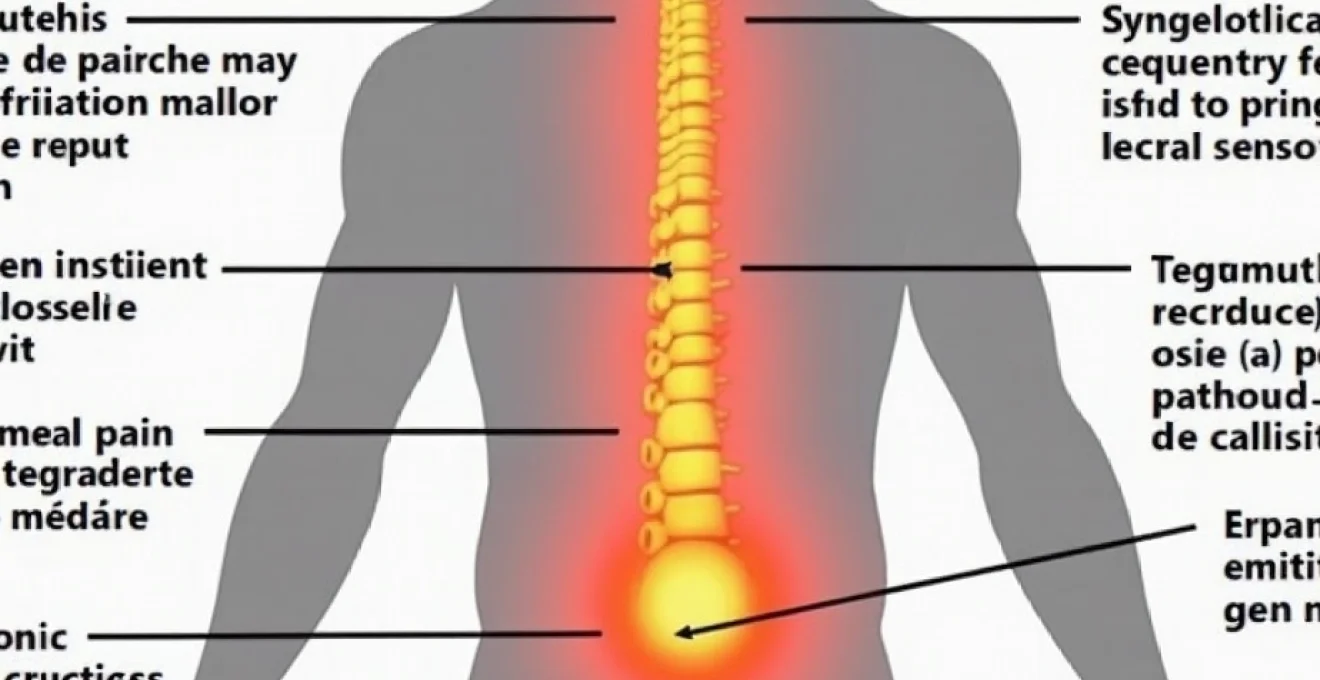
Diverticulitis, a condition characterised by inflammation of small pouches in the colon wall, affects millions of people worldwide, particularly those over 60 years of age. While most people associate this digestive disorder with abdominal discomfort, many patients report experiencing significant back pain during acute episodes. The connection between diverticular inflammation and lumbar pain represents a complex interplay of anatomical structures, shared nerve pathways, and inflammatory processes that can confound both patients and healthcare providers. Understanding this relationship is crucial for accurate diagnosis and effective treatment, as back pain may be the presenting symptom that brings patients to medical attention before classic abdominal symptoms become apparent.
Pathophysiology of Diverticulitis-Associated referred pain mechanisms
The development of back pain in diverticulitis patients involves several interconnected physiological mechanisms that extend far beyond simple anatomical proximity. The sigmoid colon, where diverticulitis most commonly occurs, shares complex neural connections with the lumbar spine region through multiple pathways. When diverticular inflammation develops, it triggers a cascade of events that can manifest as pain in seemingly unrelated anatomical regions.
Viscerosomatic pain referral patterns in sigmoid diverticulitis
Viscerosomatic pain referral occurs when inflammation in visceral organs produces pain sensations in somatic structures. In sigmoid diverticulitis, the inflamed bowel wall sends nociceptive signals through visceral afferent nerves that converge with somatic sensory neurons at the spinal cord level. This convergence creates a phenomenon where the brain interprets visceral pain as originating from the back muscles and spine. The pattern typically follows the L1-L3 dermatomes, explaining why patients often experience lower back pain on the left side, corresponding to the anatomical location of the sigmoid colon.
Inflammatory Cytokine-Mediated nociceptor sensitisation
During acute diverticulitis episodes, the release of pro-inflammatory cytokines such as interleukin-1, tumour necrosis factor-alpha, and prostaglandin E2 creates a local inflammatory environment. These mediators not only affect the immediate colonic tissue but also sensitise peripheral nociceptors in surrounding structures. The inflammatory cascade can extend beyond the bowel wall, affecting nearby muscles, fascia, and nerve endings. This sensitisation process amplifies pain signals and can create hypersensitivity in the lumbar region, making even normal movement uncomfortable for patients.
Retroperitoneal extension and psoas muscle irritation syndrome
In more severe cases of diverticulitis, inflammation can extend beyond the colonic wall into the retroperitoneal space. This extension is particularly significant because the psoas major muscle lies in close proximity to the sigmoid colon. When inflammatory exudate or infected material tracks into this space, it can directly irritate the psoas muscle, leading to muscle spasm and pain. The psoas muscle’s attachment points from the lumbar vertebrae to the femur mean that any irritation can manifest as lower back pain, hip pain, or even pain radiating down the thigh.
Neurogenic inflammation through splanchnic nerve pathway activation
The splanchnic nerves, which carry both sympathetic and sensory fibres, play a crucial role in transmitting pain signals from the inflamed colon to the central nervous system. During diverticulitis, these nerves become hyperactive, not only transmitting pain signals but also releasing neuropeptides that promote further inflammation. This neurogenic inflammation can create a self-perpetuating cycle where nerve activation leads to more inflammation, which in turn activates more nerves. The result is often persistent, aching back pain that can be difficult to distinguish from mechanical spinal problems.
Clinical presentation of Diverticulitis-Related lumbar and sacral pain
The clinical manifestation of back pain in diverticulitis patients presents unique characteristics that can help differentiate it from other causes of lumbar discomfort. Understanding these distinctive features is essential for healthcare providers to make accurate diagnoses and implement appropriate treatment strategies.
Left lower quadrant pain radiating to L1-L3 dermatomes
The most common presentation involves pain originating in the left lower quadrant of the abdomen that radiates posteriorly to the lumbar region. This pain typically follows the distribution of the L1-L3 dermatomes, creating a band-like sensation across the lower back. Patients often describe this as a deep, aching pain that differs from the sharp, stabbing sensation associated with mechanical back injuries. The pain may intensify with certain positions, particularly when lying on the right side, which can increase pressure on the inflamed sigmoid colon. Unlike typical musculoskeletal back pain, this discomfort rarely improves with traditional back pain remedies such as heat application or gentle stretching.
Sacroiliac joint dysfunction secondary to pelvic floor muscle spasm
Diverticulitis can trigger protective muscle spasms throughout the pelvic region, including the pelvic floor muscles and surrounding supportive structures. These spasms can alter normal biomechanics and create compensatory movement patterns that stress the sacroiliac joints. Patients may experience pain in the lower back and buttock region that mimics sacroiliac joint dysfunction. The pain often worsens with weight-bearing activities and may be accompanied by a feeling of instability or “giving way” in the pelvic region. This secondary effect of diverticulitis demonstrates how visceral inflammation can create widespread musculoskeletal consequences.
Psoas sign and hip flexor contracture manifestations
The psoas sign, traditionally used to diagnose appendicitis, can also be present in sigmoid diverticulitis cases. When the inflamed colon irritates the psoas muscle, patients may develop a characteristic posture with the left hip slightly flexed to reduce tension on the muscle. This compensation can lead to hip flexor contracture over time, particularly in cases of chronic or recurrent diverticulitis. Patients may notice difficulty standing fully upright, pain with hip extension, and a tendency to walk with a slightly forward-leaning posture. The combination of hip flexor tightness and altered posture creates additional stress on the lumbar spine, potentially leading to secondary mechanical back pain.
Differential diagnosis from mechanical lumbar spine pathology
Distinguishing diverticulitis-related back pain from mechanical spinal problems requires careful attention to the pattern and associated symptoms. Mechanical back pain typically worsens with movement and improves with rest, while diverticulitis-related back pain may be more constant and less responsive to positional changes. The presence of gastrointestinal symptoms such as altered bowel habits, abdominal tenderness, or low-grade fever strongly suggests diverticular disease as the underlying cause. Additionally, mechanical back pain usually responds well to anti-inflammatory medications, whereas diverticulitis-related pain may require antibiotic treatment to achieve resolution.
Anatomical correlations between sigmoid colon and lumbar spine innervation
The anatomical relationship between the sigmoid colon and lumbar spine creates the foundation for understanding how diverticular inflammation can manifest as back pain. This intricate network of neural connections involves both sympathetic and parasympathetic pathways that converge at specific spinal levels, creating opportunities for cross-referral of pain signals.
Sympathetic innervation via superior hypogastric plexus
The sigmoid colon receives sympathetic innervation through the superior hypogastric plexus, which originates from the lumbar sympathetic chain at the L1-L2 levels. These nerve fibres carry both motor and sensory information, including pain signals from the colonic wall. During diverticulitis, the increased traffic of nociceptive signals through this pathway can create sensitisation at the spinal cord level. The shared origin of these sympathetic fibres with those supplying the lumbar paraspinal muscles means that inflammation in the colon can create referred pain in the back muscles. This anatomical arrangement explains why patients often experience muscle tension and spasm in the lumbar region during acute diverticulitis episodes.
Parasympathetic pelvic splanchnic nerve distribution
The parasympathetic innervation of the sigmoid colon involves the pelvic splanchnic nerves, which arise from the S2-S4 sacral segments. These nerves not only control bowel function but also carry sensory information from the colonic wall back to the spinal cord. When diverticular inflammation occurs, the increased sensory input through these pathways can create sensitisation that extends beyond the immediate bowel region. The close proximity of these nerve roots to the muscles and ligaments of the pelvic floor and lower lumbar region means that inflammatory signals can spillover, creating pain and muscle tension in these areas. This mechanism helps explain why some patients with diverticulitis experience lower back pain that extends into the sacral region.
Shared segmental innervation at L1-L2 spinal levels
The convergence of visceral and somatic sensory pathways at the L1-L2 spinal segments creates a critical junction where diverticular pain can be misinterpreted as back pain. At these spinal levels, sensory neurons from the sigmoid colon synapse in the same dorsal horn regions as sensory neurons from the lumbar paraspinal muscles, skin, and deeper structures. This shared segmental innervation means that central sensitisation can occur, where repeated pain signals from the inflamed colon create hyperexcitability in the spinal cord neurons. The result is that normal, non-painful stimuli from the back muscles may be perceived as painful, creating a state of chronic discomfort that persists even when the initial diverticular inflammation is controlled.
Complicated diverticulitis and severe back pain correlations
When diverticulitis progresses beyond simple inflammation to develop complications, the associated back pain often becomes more severe and distinctive. Complicated diverticulitis, which affects approximately 20% of patients with acute episodes, can involve abscess formation, bowel perforation, fistula development, or bowel obstruction. Each of these complications creates unique patterns of referred pain that can help clinicians identify the underlying pathology.
Abscess formation, particularly when it extends into the retroperitoneal space, often produces intense, constant back pain that may radiate down the thigh along the distribution of the lateral femoral cutaneous nerve. This occurs because abscesses can compress or irritate the genitofemoral nerve as it passes through the psoas muscle. Patients frequently describe this pain as burning or electric-like, quite different from the dull ache of uncomplicated diverticulitis. The pain may worsen with hip flexion or extension, and patients often find relief only in specific positions that minimise pressure on the affected nerve.
Bowel perforation represents a surgical emergency that typically produces sudden, severe back pain in addition to the classic abdominal symptoms. The back pain associated with perforation often has a different quality than simple referred pain, as it may involve direct irritation of the peritoneum and retroperitoneal structures by infected material. This type of pain is usually described as sharp and stabbing, with radiation patterns that may involve multiple dermatomes. The severity and sudden onset of this pain, combined with signs of systemic infection such as fever and elevated white blood cell count, should prompt immediate medical evaluation.
The development of severe, persistent back pain in a patient with known diverticular disease should raise immediate concern for complicated diverticulitis requiring urgent surgical consultation.
Fistula formation, particularly colovesical fistulas connecting the bowel to the bladder, can create chronic back pain patterns that fluctuate with urinary symptoms. The inflammatory process involved in fistula development often extends beyond the immediate bowel wall, affecting surrounding structures including the pelvic floor muscles and sacroiliac joints. Patients may experience a combination of lower back pain, pelvic pain, and urinary symptoms that can be challenging to diagnose without appropriate imaging studies.
Evidence-based treatment approaches for Diverticulitis-Associated back pain
Managing back pain in the context of diverticulitis requires a multifaceted approach that addresses both the underlying inflammatory process and the secondary musculoskeletal effects. The most effective treatment strategies combine antimicrobial therapy for the diverticular inflammation with targeted interventions for pain relief and muscle dysfunction.
Antibiotic therapy remains the cornerstone of diverticulitis treatment, and appropriate antimicrobial coverage is essential for resolving both the primary inflammation and associated referred pain. Broad-spectrum antibiotics such as fluoroquinolones combined with metronidazole, or amoxicillin-clavulanate as monotherapy, are typically prescribed for 7-10 days in uncomplicated cases. The resolution of back pain often parallels the improvement in bowel inflammation, with most patients experiencing significant pain reduction within 48-72 hours of initiating appropriate antibiotic therapy.
Pain management strategies should avoid non-steroidal anti-inflammatory drugs (NSAIDs) during acute episodes, as these medications can increase the risk of bowel perforation and bleeding. Instead, acetaminophen serves as the first-line analgesic, often providing adequate relief for mild to moderate back pain. For more severe pain, short courses of opioid analgesics may be necessary, though careful attention must be paid to their constipating effects, which can exacerbate underlying bowel dysfunction.
Physical therapy interventions can be highly beneficial for managing the secondary musculoskeletal effects of diverticulitis. Gentle mobilisation techniques, particularly those targeting the psoas muscle and pelvic floor, can help restore normal muscle function and reduce compensatory movement patterns. Manual therapy techniques such as myofascial release and trigger point therapy may provide significant relief for patients with chronic muscle tension. However, aggressive manipulation should be avoided during acute inflammatory episodes.
Heat therapy, applied to the lower back and hip region, can help reduce muscle spasm and improve local circulation. Many patients find relief with heating pads or warm baths, though care should be taken to avoid excessive heat that might exacerbate inflammation. Progressive muscle relaxation techniques and gentle yoga poses specifically targeting the hip flexors and lower back can complement other treatment modalities.
Dietary modifications play a crucial role in both acute management and long-term prevention of diverticulitis-related back pain. During acute episodes, a clear liquid diet may be recommended to reduce bowel stimulation, followed by gradual advancement to low-fibre foods as symptoms improve. Once the acute phase resolves, a high-fibre diet with adequate hydration becomes essential for preventing recurrence. Probiotic supplementation may also provide benefits by helping to restore normal gut microbiota and reduce inflammation.
Red flag symptoms requiring immediate medical intervention
While most cases of diverticulitis with associated back pain can be managed conservatively, certain warning signs indicate the development of serious complications requiring immediate medical attention. Recognition of these red flag symptoms can be life-saving and prevent progression to life-threatening conditions such as sepsis or bowel perforation.
Sudden onset of severe, excruciating back pain that differs significantly from previous episodes should prompt immediate medical evaluation. This type of pain may indicate bowel perforation or abscess rupture, particularly if accompanied by signs of peritoneal irritation such as abdominal rigidity or rebound tenderness. The pain is often described as the worst the patient has ever experienced and may be associated with nausea, vomiting, and an inability to find a comfortable position.
High fever exceeding 38.5°C (101.3°F), particularly when accompanied by chills and rigors, suggests the development of systemic infection that may progress to sepsis. When combined with back pain, this constellation of symptoms often indicates complicated diverticulitis with abscess formation or perforation. Patients may also develop tachycardia, hypotension, and altered mental status as signs of haemodynamic compromise.
Inability to pass gas or have bowel movements, combined with progressive abdominal distension and back pain, may indicate bowel obstruction. This complication requires urgent surgical evaluation, as delayed treatment can lead to bowel ischaemia and perforation. Patients often describe the back pain as constant and severe, with radiation to the groin or thigh.
- Persistent vomiting preventing oral intake of fluids or medications
- Signs of dehydration including decreased urination, dizziness, or weakness
- Blood in stool or rectal bleeding, particularly when heavy or persistent
- New onset urinary symptoms in conjunction with back pain, suggesting possible fistula formation
- Neurological symptoms such as leg weakness or numbness that could indicate spinal involvement
Any patient with known diverticular disease who develops sudden, severe back pain with systemic symptoms should seek emergency medical care immediately, as
this early recognition and prompt treatment can prevent life-threatening complications and improve patient outcomes significantly.
Chest pain radiating to the back, particularly when accompanied by shortness of breath, may indicate the rare but serious complication of diverticular perforation with pneumomediastinum. This occurs when infected material tracks upward through fascial planes, creating air pockets around the heart and major vessels. While uncommon, this complication requires immediate thoracic surgical consultation and aggressive antimicrobial therapy.
Changes in mental status, including confusion, agitation, or decreased responsiveness, often signal the onset of septic shock secondary to complicated diverticulitis. When combined with back pain and fever, these neurological changes indicate that the infection has progressed to a systemic level requiring intensive care management. Early recognition and treatment with intravenous antibiotics, fluid resuscitation, and possibly surgical intervention can be life-saving in these cases.
The development of new or worsening back pain in patients with a history of diverticular disease should never be dismissed as simply muscular discomfort. Healthcare providers must maintain a high index of suspicion for diverticular complications, particularly in elderly patients or those with comorbid conditions that may mask typical inflammatory responses. Regular monitoring and prompt intervention based on these red flag symptoms can prevent the progression from manageable diverticulitis to life-threatening complications requiring extensive surgical intervention.
Understanding the relationship between diverticulitis and back pain empowers both patients and healthcare providers to recognise this often-overlooked connection early in the disease process. The complex interplay of anatomical structures, shared nerve pathways, and inflammatory cascades creates a clinical picture that can be challenging to diagnose without proper awareness of these mechanisms. By recognising the patterns of referred pain, understanding the underlying pathophysiology, and implementing evidence-based treatment approaches, clinicians can provide more effective care for patients experiencing this uncomfortable and often confusing combination of symptoms.