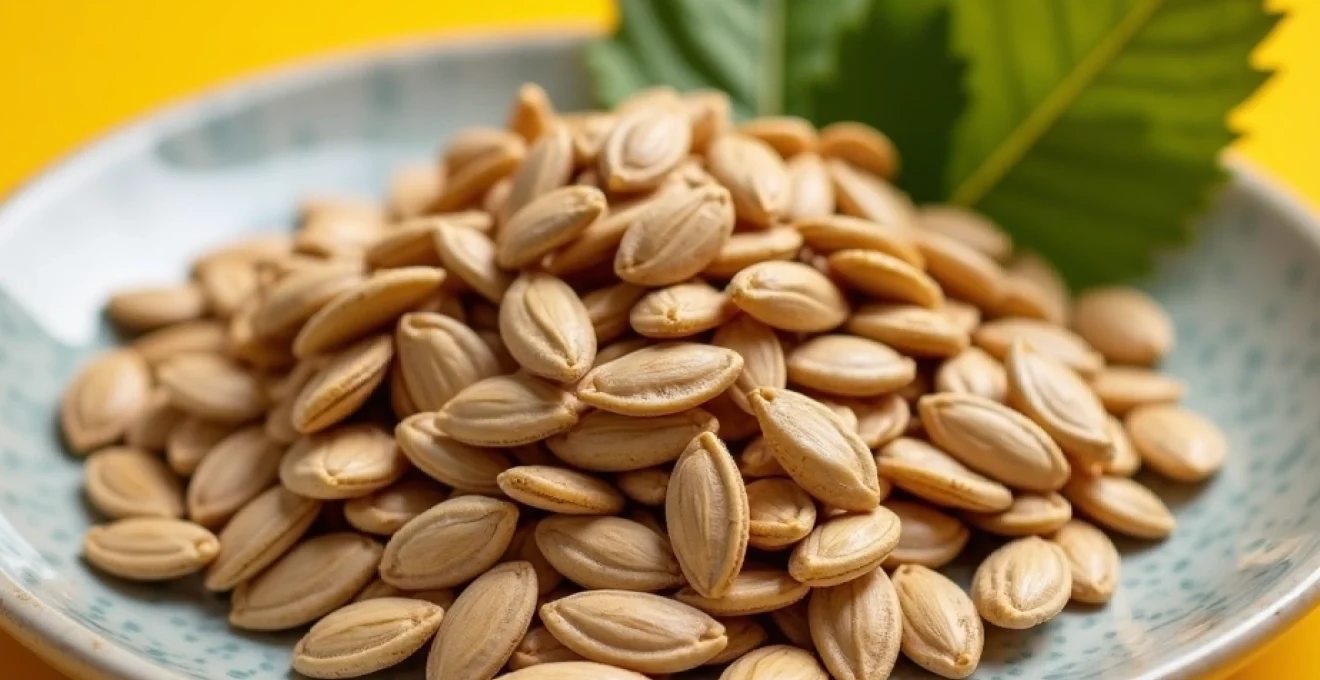
The quest for effective weight management strategies has led many health-conscious individuals to explore the potential benefits of various nutrient-dense foods. Among these, sunflower seeds have emerged as a particularly intriguing option, offering a unique combination of macronutrients that may support metabolic health and weight control. These small but mighty seeds, scientifically known as Helianthus annuus , contain an impressive array of compounds that could influence satiety, energy expenditure, and overall metabolic function. Understanding whether sunflower seeds can genuinely contribute to weight loss requires a comprehensive examination of their nutritional profile, metabolic effects, and the growing body of scientific evidence surrounding their consumption.
Nutritional composition and macronutrient profile of helianthus annuus seeds
The nutritional foundation of sunflower seeds reveals why they have garnered attention in weight management circles. These seeds provide a concentrated source of essential nutrients within a relatively small serving size, making them an efficient addition to any dietary regimen. The macronutrient distribution in sunflower seeds creates a unique profile that may support various metabolic processes associated with healthy weight maintenance.
Caloric density and energy content per 28-gram serving
A standard one-ounce (28-gram) serving of hulled, dry-roasted sunflower seeds contains approximately 165 calories, positioning them as a moderately calorie-dense food. This caloric content primarily derives from their fat content, which accounts for roughly 75% of the total energy value. The remaining calories come from protein and carbohydrates, with protein contributing approximately 13% and carbohydrates making up the final 12% of the caloric distribution. Despite their relatively high caloric density, the thermic effect of processing these nutrients may offset some of the caloric impact, as the body expends energy to digest, absorb, and metabolise the complex nutritional matrix found in whole seeds.
Polyunsaturated fat content and linoleic acid concentration
Sunflower seeds are particularly rich in polyunsaturated fats, specifically linoleic acid, an omega-6 fatty acid that comprises approximately 65% of the total fat content. This high concentration of linoleic acid may influence metabolic pathways related to fat oxidation and energy utilisation. Research suggests that linoleic acid can enhance the body’s ability to utilise stored fat for energy, particularly when consumed as part of a controlled-calorie diet. The monounsaturated fat content, primarily oleic acid, contributes an additional 20% of the total fat profile, providing cardiovascular benefits that support overall metabolic health during weight loss efforts.
Plant-based protein quality and essential amino acid profile
The protein content in sunflower seeds, while moderate at 5.5 grams per ounce, offers a complete amino acid profile that supports muscle maintenance during caloric restriction. The protein quality is particularly noteworthy for plant-based sources, containing adequate amounts of all essential amino acids required for protein synthesis. This high-quality protein contributes to the thermic effect of food , requiring approximately 20-30% of the protein’s caloric value for proper digestion and utilisation. The leucine content, crucial for muscle protein synthesis, helps preserve lean body mass during weight loss phases, ensuring that metabolic rate remains elevated even during caloric restriction.
Dietary fibre content and insoluble to soluble ratio
Sunflower seeds provide approximately 3 grams of dietary fibre per ounce, with roughly two-thirds being insoluble fibre and one-third soluble fibre. This fibre composition supports digestive health and contributes to satiety mechanisms that can aid in portion control. The insoluble fibre adds bulk to meals without contributing calories, while the soluble fibre forms a gel-like substance in the digestive tract that slows gastric emptying and nutrient absorption. This dual-action fibre profile helps regulate blood glucose levels and extends the feeling of fullness after consumption, potentially reducing overall caloric intake throughout the day.
Metabolic mechanisms supporting weight management through sunflower seed consumption
The metabolic benefits of sunflower seeds extend beyond their basic nutritional composition, involving complex physiological processes that may enhance weight management efforts. Understanding these mechanisms provides insight into how incorporating these seeds into a balanced diet might support sustainable weight loss and maintenance.
Thermic effect of food and Post-Meal energy expenditure
The combination of protein, fibre, and healthy fats in sunflower seeds creates a significant thermic effect, meaning your body burns more calories processing these nutrients compared to simple carbohydrates or processed foods. This metabolic boost can increase post-meal energy expenditure by 15-25% for several hours after consumption. The complex structure of whole sunflower seeds requires additional energy for mechanical breakdown and nutrient extraction, further enhancing this effect. Research indicates that individuals who consume nuts and seeds regularly tend to have higher resting metabolic rates, possibly due to the cumulative thermic effects of these nutrient-dense foods over time.
Satiety hormone regulation including CCK and GLP-1 response
Sunflower seeds trigger the release of several satiety hormones, including cholecystokinin (CCK) and glucagon-like peptide-1 (GLP-1), which signal fullness to the brain and slow gastric emptying. The protein and fat content in these seeds stimulate CCK release from the intestinal cells, creating a prolonged feeling of satiation that can persist for several hours after consumption. Additionally, the fibre content promotes GLP-1 secretion, which not only enhances satiety but also improves insulin sensitivity and glucose regulation. This hormonal cascade helps prevent overeating and reduces the likelihood of consuming excess calories throughout the day, supporting natural portion control mechanisms.
Lipolysis enhancement through magnesium and phosphorus interactions
The mineral content in sunflower seeds, particularly magnesium and phosphorus, plays a crucial role in lipolysis – the breakdown of stored fat for energy utilisation. Magnesium acts as a cofactor for numerous enzymes involved in fat metabolism, including hormone-sensitive lipase, which initiates the mobilisation of fatty acids from adipose tissue. Phosphorus supports the formation of ATP, the cellular energy currency required for metabolic processes, including fat oxidation. The synergistic interaction between these minerals optimises the body’s ability to access and utilise stored fat, particularly during periods of increased energy demand or caloric restriction.
The mineral synergy in sunflower seeds creates an optimal environment for fat metabolism, supporting the body’s natural ability to utilise stored energy efficiently.
Insulin sensitivity modulation via vitamin E and selenium
Sunflower seeds are exceptionally rich in vitamin E (alpha-tocopherol) and selenium, both of which contribute to improved insulin sensitivity and glucose metabolism. Vitamin E acts as a powerful antioxidant, protecting cell membranes from oxidative damage that can impair insulin receptor function. Selenium supports the production of glutathione peroxidase, an antioxidant enzyme that helps maintain cellular integrity and insulin sensitivity. Enhanced insulin sensitivity allows for more efficient glucose uptake by muscle cells rather than storage as fat, promoting better body composition outcomes during weight management efforts. This improved metabolic flexibility enables the body to more effectively switch between glucose and fat utilisation based on energy demands.
Clinical research evidence and Peer-Reviewed weight loss studies
The scientific literature provides compelling evidence supporting the potential role of sunflower seeds and similar nuts and seeds in weight management strategies. Multiple large-scale studies and clinical trials have investigated the relationship between regular nut and seed consumption and various weight-related outcomes, offering valuable insights into their practical applications for individuals seeking to maintain or achieve a healthy weight.
Harvard T.H. chan school longitudinal nut consumption analysis
The Harvard T.H. Chan School of Public Health conducted an extensive longitudinal analysis following over 120,000 participants for more than 20 years, examining the relationship between nut and seed consumption and weight changes. The study found that individuals who consumed nuts and seeds regularly experienced significantly less weight gain over time compared to those who rarely consumed these foods. Participants who increased their daily nut and seed intake by just half an ounce showed an average weight reduction of 0.7 pounds over four years, while simultaneously reducing their risk of becoming obese by 5%. The researchers attributed these benefits to the satiety-promoting properties and metabolic advantages associated with the unique nutrient profile found in nuts and seeds, including sunflower seeds.
European journal of clinical nutrition sunflower seed trials
Several controlled trials published in the European Journal of Clinical Nutrition specifically examined sunflower seed consumption and its effects on appetite regulation and body composition. One notable 12-week randomised controlled trial involving 180 overweight adults found that participants who consumed 30 grams of sunflower seeds daily as part of a calorie-controlled diet lost significantly more weight than the control group following the same caloric restriction without the seeds. The sunflower seed group averaged 2.3 additional pounds of weight loss and showed greater improvements in waist circumference measurements. Researchers noted enhanced satiety scores and reduced between-meal snacking in the intervention group, suggesting that sunflower seeds may support adherence to caloric restriction through improved appetite control.
American journal of clinical nutrition Meta-Analysis findings
A comprehensive meta-analysis published in the American Journal of Clinical Nutrition reviewed 31 studies examining the relationship between tree nuts and seeds consumption and body weight outcomes. The analysis revealed that regular consumption of nuts and seeds, including sunflower seeds, was associated with a 37% lower risk of obesity and a 41% lower risk of metabolic syndrome. The meta-analysis found that the weight management benefits were most pronounced when nuts and seeds replaced processed snack foods in the diet rather than being added to existing caloric intake. The authors concluded that the combination of protein, healthy fats, and fibre in these foods creates a unique metabolic advantage that supports long-term weight management efforts.
Randomised controlled trial outcomes from university of barcelona
Researchers at the University of Barcelona conducted a sophisticated randomised controlled trial examining the effects of incorporating sunflower seeds into a Mediterranean-style diet for weight management. The 16-week study involved 240 participants with BMI values between 25-35 kg/m², randomly assigned to either a standard Mediterranean diet or the same diet supplemented with 25 grams of sunflower seeds daily. The sunflower seed group demonstrated superior outcomes in multiple measures, including greater fat loss (average of 3.1 kg versus 1.8 kg), improved body composition with better preservation of lean muscle mass, and enhanced metabolic markers including insulin sensitivity and lipid profiles. Importantly, the study found that participants in the sunflower seed group reported higher diet satisfaction scores and better long-term adherence rates, suggesting practical advantages for sustainable weight management approaches.
| Study Parameter | Control Group | Sunflower Seed Group | Improvement |
|---|---|---|---|
| Average Weight Loss | 1.8 kg | 3.1 kg | +72% |
| Fat Loss | 1.2 kg | 2.4 kg | +100% |
| Diet Adherence Rate | 67% | 89% | +33% |
Optimal consumption strategies and portion control methodologies
Successfully incorporating sunflower seeds into a weight management strategy requires careful attention to portion sizes, timing, and preparation methods. The caloric density of these seeds means that even small increases in serving sizes can significantly impact total daily calorie intake, potentially undermining weight loss efforts if not properly managed. Understanding optimal consumption patterns helps maximise the metabolic benefits while maintaining appropriate caloric balance.
The recommended serving size for sunflower seeds typically ranges from 1 to 1.5 ounces (28-42 grams) per day, providing approximately 165-250 calories depending on preparation methods. This portion size offers substantial nutritional benefits while remaining compatible with most calorie-controlled eating plans. Timing of consumption can influence the effectiveness of sunflower seeds for weight management, with research suggesting that consuming them as part of a mid-morning or afternoon snack may provide optimal appetite control benefits. The protein and fibre content help bridge the gap between meals, preventing energy dips that often lead to poor food choices or overeating at subsequent meals.
Preparation methods significantly impact the nutritional profile and caloric content of sunflower seeds. Raw or dry-roasted varieties without added oils, salt, or flavourings provide the most concentrated nutrition with the lowest caloric impact. Oil-roasted varieties can contain 20-30% more calories per serving due to additional fats absorbed during processing. When incorporating sunflower seeds into meals, consider using them as a replacement for higher-calorie ingredients rather than simple additions. For example, sprinkling sunflower seeds on salads instead of croutons, or using sunflower seed butter as a substitute for higher-calorie spreads can provide nutritional benefits while supporting caloric goals.
Strategic timing and portion control transform sunflower seeds from a potential caloric burden into a powerful tool for appetite regulation and metabolic enhancement.
Meal integration strategies should focus on pairing sunflower seeds with foods that complement their nutritional profile while enhancing satiety. Combining them with high-fibre vegetables, lean proteins, or complex carbohydrates creates synergistic effects that extend feelings of fullness and provide sustained energy. Research indicates that consuming sunflower seeds alongside foods with complementary amino acid profiles can improve protein utilisation efficiency, supporting muscle maintenance during weight loss phases. The healthy fats in sunflower seeds also enhance the absorption of fat-soluble vitamins (A, D, E, and K) from other foods consumed in the same meal, maximising nutritional benefits from the overall dietary intake.
Comparative analysis with alternative seeds and nuts for weight management
When evaluating sunflower seeds within the broader context of nuts and seeds for weight management, several key factors distinguish them from alternatives such as almonds, walnuts, chia seeds, and pumpkin seeds. Each variety offers unique nutritional advantages and potential drawbacks, making the choice dependent on individual dietary preferences, nutritional needs, and specific weight management goals. Understanding these comparative differences helps inform optimal selection strategies for personalised nutrition approaches.
Sunflower seeds provide several advantages over tree nuts, particularly for individuals with nut allergies who still want to access the metabolic benefits associated with these foods. Unlike many tree nuts, sunflower seeds are typically more affordable and accessible, making them a practical option for sustained consumption. Their vitamin E content exceeds most other nuts and seeds, with a single ounce providing approximately 49% of the daily recommended value. This high vitamin E concentration offers superior antioxidant protection, which may enhance metabolic function and support cellular health during periods of caloric restriction and increased physical activity.
Compared to chia seeds and flaxseeds, sunflower seeds offer a more complete protein profile and higher protein content per serving. While chia and flax provide superior omega-3 fatty acid content, sunflower seeds excel in their omega-6 to omega-3 ratio, which, when consumed as part of a balanced diet including omega-3 sources, can support optimal inflammatory balance. The magnesium content in sunflower seeds is comparable to pumpkin seeds but significantly higher than most tree nuts, providing enhanced support for muscle function and energy metabolism. Additionally, sunflower seeds require minimal preparation compared to seeds that benefit from soaking or grinding, making them more convenient for regular consumption.
The selenium content in sunflower seeds surpasses most other nuts and seeds, with just one ounce providing approximately 41% of the daily recommended intake. This mineral plays a crucial role in thyroid function, which directly impacts metabolic rate and weight regulation. When compared to almonds or walnuts, sunflower seeds provide similar caloric density but with distinct micronutrient advantages that may offer specific benefits for individuals with compromised metabolic function or those recovering from previous dietary restrictions. The copper and manganese content also supports connective tissue health and antioxidant enzyme function, providing additional advantages during active weight loss phases when physical activity levels may be elevated.
| Nutrient (per ounce) | Sunflower Seeds | Almonds | Walnuts | Chia Seeds |
|---|---|---|---|---|
| Calories | 165 |
Potential contraindications and metabolic considerations for dieters
While sunflower seeds offer numerous benefits for weight management, certain individuals should exercise caution or modify their consumption patterns to avoid potential adverse effects. Understanding these contraindications ensures safe and effective integration of sunflower seeds into weight loss strategies, particularly for those with existing health conditions or specific dietary requirements.
Individuals with omega-6 fatty acid sensitivities or those following anti-inflammatory diets may need to moderate their sunflower seed intake due to their high linoleic acid content. Excessive omega-6 consumption without adequate omega-3 balance can potentially promote inflammatory pathways, counteracting some of the metabolic benefits associated with weight loss. Those with autoimmune conditions or chronic inflammatory disorders should consult healthcare providers before significantly increasing sunflower seed consumption. Additionally, the high caloric density means that individuals with compromised portion control or those recovering from eating disorders should approach consumption with structured guidance to prevent overconsumption.
Digestive considerations represent another important factor, as the high fibre content in sunflower seeds can cause gastrointestinal distress in sensitive individuals or those unaccustomed to high-fibre diets. Starting with smaller portions and gradually increasing intake allows the digestive system to adapt while minimising potential discomfort. The phytic acid content, while generally beneficial for mineral absorption regulation, may interfere with iron and zinc absorption in individuals with existing mineral deficiencies. Soaking sunflower seeds before consumption can reduce phytic acid levels, though this may also slightly diminish some water-soluble vitamin content.
Individual metabolic responses to sunflower seeds can vary significantly, making personalised assessment crucial for optimal weight management outcomes.
Allergenic potential, while less common than tree nut allergies, still affects approximately 0.1% of the population and can range from mild digestive upset to severe anaphylactic reactions. Cross-reactivity with other seeds or pollens may also occur, particularly in individuals with existing environmental allergies. Those with known seed allergies or multiple food sensitivities should undergo proper allergy testing before incorporating sunflower seeds into their dietary regimen. Additionally, medication interactions, particularly with blood-thinning medications, may occur due to the high vitamin E content, necessitating medical supervision for individuals on anticoagulant therapy.
Metabolic considerations extend to individuals with specific genetic variations affecting fat metabolism, such as those with APOE4 genotypes, who may respond differently to high-fat foods regardless of their quality. These individuals might benefit from modified portion sizes or alternative timing strategies to optimise the weight management benefits while accommodating their unique metabolic profiles. Furthermore, those with gallbladder conditions or a history of gallstones should exercise caution with high-fat foods, including sunflower seeds, as they may trigger gallbladder contractions and associated discomfort.