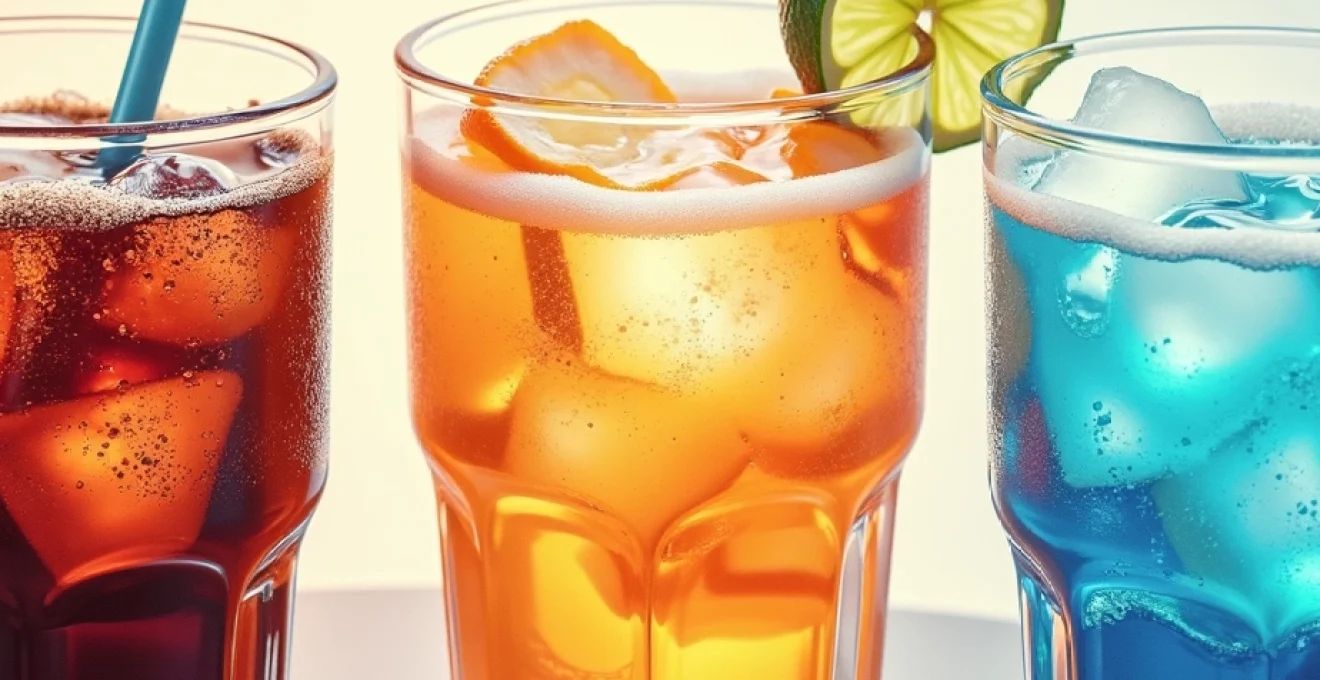
The question of mixing Miralax with carbonated beverages has become increasingly common among patients seeking more palatable ways to administer this widely prescribed laxative. While the official manufacturer recommendations typically advise against using carbonated drinks as a mixer, understanding the scientific reasoning behind this guidance requires a deeper examination of both the medication’s composition and the complex chemistry of fizzy beverages. Polyethylene glycol 3350, the active ingredient in Miralax, functions through osmotic mechanisms that can be influenced by various factors including pH levels, chemical interactions, and gastric environment modifications.
Healthcare professionals frequently encounter patients who struggle with the taste and texture of traditional Miralax preparations, particularly when mixed with plain water or standard clear liquids. This palatability challenge becomes even more pronounced in paediatric populations, where medication compliance often depends on making treatments more appealing to young patients. The intersection of pharmaceutical science and beverage chemistry presents both opportunities and risks that require careful consideration.
Miralax chemical composition and active ingredient polyethylene glycol 3350
Polyethylene glycol 3350 represents a sophisticated polymer-based laxative formula that operates through osmotic principles to relieve constipation. The molecular structure of PEG 3350 consists of repeating ethylene oxide units that create a large, non-absorbable molecule capable of retaining significant quantities of water within the intestinal tract. This mechanism differs fundamentally from stimulant laxatives, as it works by increasing water content rather than directly stimulating intestinal muscle contractions.
The molecular weight of approximately 3350 daltons makes this compound ideal for osmotic laxative applications. Unlike smaller molecules that might be absorbed systemically, PEG 3350 remains predominantly within the gastrointestinal tract, minimising systemic exposure and reducing the risk of electrolyte imbalances commonly associated with other laxative types. The compound’s inert nature means it doesn’t undergo significant metabolic transformation, making it suitable for extended use when medically supervised.
When dissolved in solution, PEG 3350 forms hydrogen bonds with water molecules, creating a network that prevents rapid absorption across intestinal membranes. This property is crucial for understanding why the choice of mixing liquid matters significantly. The osmolarity of the final solution directly influences the medication’s effectiveness, and introducing additional compounds through carbonated beverages could potentially alter these critical parameters.
Carbonated beverage chemistry and ph interaction effects
The chemistry of carbonated beverages involves complex interactions between carbon dioxide, water, and various additives that create the characteristic fizzy sensation consumers expect. When carbon dioxide dissolves in water under pressure, it forms carbonic acid (H₂CO₃), which significantly reduces the pH of the solution compared to plain water. This acidification process has implications for how pharmaceutical compounds might behave when mixed with these beverages.
Carbonic acid formation and gastric environment changes
The formation of carbonic acid occurs through a reversible chemical reaction where dissolved CO₂ combines with water molecules to produce a weak acid with a pH typically ranging from 3.7 to 4.5 in most carbonated soft drinks. This acidic environment can potentially influence the solubility characteristics of polyethylene glycol 3350, though the compound generally maintains stability across a wide pH range. The primary concern relates to how this altered pH might affect gastric emptying rates and subsequent intestinal absorption patterns.
Research indicates that acidic solutions can accelerate gastric emptying in some individuals, potentially altering the intended release profile of osmotic laxatives. The carbonic acid also contributes to gastric distension through CO₂ release, which might influence the mechanical aspects of digestion and could potentially interfere with the gradual water retention mechanism that makes PEG 3350 effective.
Phosphoric acid content in Cola-Based soft drinks
Cola-based carbonated beverages contain phosphoric acid as an additional acidifying agent, creating an even more acidic environment than simple carbonated water. With pH levels often below 2.8, these beverages present a significantly more acidic milieu than the typical gastric environment during fasting states. This extreme acidity raises questions about potential interactions with the polymer structure of polyethylene glycol, though current research suggests minimal direct chemical degradation occurs.
The presence of phosphoric acid also introduces considerations about mineral absorption and electrolyte balance. While PEG 3350 itself doesn’t significantly affect electrolyte levels, the phosphoric acid in cola drinks can potentially bind with calcium and magnesium ions, which might have implications for patients with existing mineral deficiencies or those taking the medication long-term.
Sodium benzoate preservative interaction mechanisms
Most carbonated soft drinks contain sodium benzoate as a preservative, typically at concentrations of 0.1% or less. While this preservative is generally recognised as safe for consumption, its interaction with polyethylene glycol polymers hasn’t been extensively studied in pharmaceutical contexts. The concern primarily relates to potential formation of benzene compounds under certain conditions, though this risk appears minimal at typical consumption levels and pH ranges found in commercial beverages.
Sodium benzoate can also contribute to the overall sodium content of the mixture, which might be relevant for patients on sodium-restricted diets or those with cardiovascular conditions. Healthcare providers often recommend monitoring total sodium intake when patients are using osmotic laxatives regularly, and the additional sodium from preservatives could be a contributing factor worth considering.
Artificial sweetener compatibility with PEG 3350
The artificial sweeteners commonly found in diet carbonated beverages, including aspartame, sucralose, and acesulfame potassium, generally don’t exhibit direct chemical interactions with polyethylene glycol compounds. However, some artificial sweeteners can have mild laxative effects themselves, particularly sugar alcohols like sorbitol or xylitol, which are less common in carbonated beverages but may be present in some formulations.
The concern with artificial sweeteners relates more to their potential to cause gastrointestinal symptoms in sensitive individuals, which could complicate the assessment of Miralax effectiveness and side effects. Patients might experience bloating, gas, or changes in bowel patterns from the sweeteners independently of the medication’s intended effects.
Pharmacokinetic absorption patterns in carbonated solutions
Understanding how carbonated solutions affect the pharmacokinetic behaviour of polyethylene glycol 3350 requires examining multiple physiological parameters that influence drug absorption and distribution. The presence of carbon dioxide in solution creates a dynamic environment where pH changes, gastric distension, and altered intestinal transit times can all potentially modify the medication’s performance characteristics. These factors become particularly relevant when considering the precision required for effective laxative therapy.
Gastric emptying rate modifications with CO2 presence
Carbon dioxide gas in carbonated beverages can significantly influence gastric emptying patterns through multiple mechanisms. The physical distension caused by CO₂ release triggers vagal responses that can either accelerate or delay gastric emptying, depending on individual physiological factors and the volume of carbonated liquid consumed. This variability introduces unpredictability into the timing of PEG 3350 delivery to the small intestine, where its primary osmotic effects occur.
Studies have demonstrated that carbonated solutions can reduce gastric accommodation, leading to earlier satiety signals and potentially affecting the total volume of medication-containing liquid that patients can comfortably consume. For Miralax therapy, where adequate fluid intake is crucial for optimal results, any factors that limit liquid consumption could compromise treatment effectiveness.
Osmotic laxative efficacy in acidic ph environments
The osmotic efficacy of polyethylene glycol 3350 depends on maintaining appropriate concentration gradients across intestinal membranes. In highly acidic environments created by carbonated beverages, the ionisation states of various compounds can shift, potentially affecting the osmotic pressure calculations that determine water retention capabilities. While PEG 3350 itself remains relatively stable , the overall osmotic environment may be altered by the presence of additional ions and compounds from the carbonated beverage.
Research suggests that extreme pH variations can influence intestinal permeability and water transport mechanisms, though the clinical significance of these changes for osmotic laxative therapy remains under investigation. The buffering capacity of intestinal secretions typically normalises pH differences relatively quickly, but the initial exposure period might still affect medication performance.
Intestinal transit time alterations with carbonated carriers
Carbonated beverages can influence intestinal transit times through several mechanisms, including increased gastric acid secretion, modified gut hormone release, and altered intestinal motility patterns. These changes can potentially affect the contact time between PEG 3350 and intestinal tissues, influencing both the degree of water retention and the timing of therapeutic effects.
The gas-producing nature of carbonated drinks can also contribute to increased intestinal motility in some individuals, which might complement the osmotic effects of Miralax but could also lead to unpredictable or excessive laxative responses. This variability makes it challenging for healthcare providers to predict optimal dosing when patients use carbonated mixers.
Electrolyte balance changes in fizzy drink combinations
While polyethylene glycol 3350 is designed to minimise electrolyte disturbances compared to other laxative types, mixing it with carbonated beverages introduces additional considerations regarding mineral balance. Many soft drinks contain sodium, potassium, and phosphorus compounds that could theoretically affect overall electrolyte homeostasis, particularly in patients taking the medication regularly or those with underlying kidney or cardiac conditions.
The clinical significance of these electrolyte considerations varies depending on the specific carbonated beverage chosen, the frequency of use, and individual patient factors. Sports drinks, for example, contain intentionally added electrolytes that might actually benefit some patients, while cola drinks typically provide minimal nutritional value and could contribute to phosphorus excess in susceptible individuals.
Clinical safety parameters and contraindication profiles
The safety profile of mixing Miralax with carbonated beverages must be evaluated within the context of both individual patient factors and the specific characteristics of different carbonated drink formulations. While no absolute contraindications exist for this combination in healthy adults, several clinical considerations warrant careful evaluation before recommending carbonated mixers for PEG 3350 administration.
Patients with gastroesophageal reflux disease may experience worsened symptoms when consuming acidic carbonated beverages, particularly when combined with the increased fluid volume required for effective laxative therapy. The combination of high acidity and gastric distension from CO₂ release can exacerbate reflux symptoms and potentially reduce treatment compliance. Healthcare providers should assess each patient’s gastrointestinal history before approving carbonated mixers.
Individuals with irritable bowel syndrome, particularly those with predominant gas and bloating symptoms, may find that carbonated beverages worsen their underlying condition. The additional gas production from carbonated drinks can compound the mild bloating that some patients experience with PEG 3350, creating an uncomfortable treatment experience that might discourage continued therapy when medically necessary.
Diabetic patients require special consideration when using sugar-containing carbonated beverages as mixers, as the additional carbohydrate load could affect blood glucose management. Even when using sugar-free alternatives, some artificial sweeteners can cause gastrointestinal upset that might mask or complicate the assessment of Miralax effectiveness and side effects.
The interaction between carbonated beverages and osmotic laxatives represents an area where patient preference must be carefully balanced against potential therapeutic modifications and individual risk factors.
Healthcare professional recommendations for paediatric administration
Paediatric administration of Miralax presents unique challenges that have led many healthcare providers to explore creative solutions for improving medication palatability while maintaining therapeutic effectiveness. The question of using carbonated beverages as mixers becomes particularly relevant in children, where medication compliance often determines treatment success. However, the developing digestive systems of children require additional safety considerations that may not apply to adult patients.
Age-specific dosing protocols with flavoured mixers
Children aged 6 months to 17 years require carefully calculated dosing based on body weight, typically ranging from 0.5 to 1.5 grams per kilogram of body weight. When considering carbonated mixers, the volume limitations become particularly important, as children may struggle to consume large quantities of any liquid, regardless of taste preferences. The standard adult dose of 17 grams requires dissolution in at least 120-240 mL of liquid, which represents a significant volume for smaller children.
The carbonation in fizzy drinks can create early satiety in paediatric patients, potentially limiting their ability to consume the full prescribed dose. Healthcare providers must weigh the palatability benefits against the risk of incomplete medication administration when recommending carbonated mixers for children under 10 years of age.
Paediatric gastroenterologist guidelines for palatability enhancement
Specialist recommendations for improving Miralax palatability in children often emphasise the importance of maintaining therapeutic effectiveness while acknowledging the practical challenges of medication administration in paediatric populations. Many paediatric gastroenterologists suggest that the choice of mixer should be individualised based on the child’s age, weight, underlying medical conditions, and previous experiences with similar medications.
The guidelines typically recommend starting with traditional clear liquids before considering carbonated alternatives, particularly in children under 5 years of age where carbonated beverages are not typically part of regular dietary intake. When carbonated mixers are considered appropriate, the recommendations often favour clear, caffeine-free options with minimal artificial additives.
Monitoring requirements for children under 17 years
Children using Miralax require more intensive monitoring than adult patients, regardless of the mixer used. The monitoring protocols should include assessment of hydration status, electrolyte balance, growth patterns, and behavioural changes that might indicate either treatment effectiveness or adverse reactions. When carbonated beverages are used as mixers, additional attention should be paid to potential dental health implications and overall dietary quality.
Parents and caregivers need clear instructions about recognising signs of dehydration, electrolyte imbalance, or excessive laxative effects, particularly when children are consuming carbonated mixers that might mask taste cues or affect appetite patterns. The monitoring frequency typically increases during the initial treatment period and whenever mixer preferences change.
Paediatric laxative therapy requires a delicate balance between ensuring adequate treatment compliance through palatability improvements and maintaining the therapeutic precision necessary for safe and effective outcomes.
Alternative mixing solutions and optimised administration methods
Healthcare professionals increasingly recognise that successful laxative therapy often depends as much on patient compliance as on pharmacological effectiveness. This understanding has led to the development of various evidence-based mixing strategies that prioritise both safety and palatability while maintaining the therapeutic integrity of polyethylene glycol 3350. The optimal mixing solution varies significantly between individuals, requiring personalised approaches that consider taste preferences, medical history, and practical administration constraints.
Clear fruit juices without pulp have emerged as preferred alternatives to carbonated beverages for many patients, offering enhanced palatability without the potential complications associated with carbonation. Apple juice, white grape juice, and cranberry juice provide natural sweetness that effectively masks the neutral taste of PEG 3350 while maintaining the osmotic environment necessary for optimal therapeutic effects. These options also provide additional fluid volume that supports the medication’s mechanism of action.
Sports drinks represent another viable alternative, particularly for patients who may benefit from electrolyte replacement during laxative therapy. The balanced sodium and potassium content in many sports drink formulations can complement the osmotic effects of Miralax while providing a more palatable administration experience. However, patients with diabetes or those following restricted-sodium diets should consult healthcare providers before using these options regularly.
Temperature modifications can significantly improve patient acceptance of Miralax preparations without introducing chemical complications. Some patients find that slightly chilled solutions improve palatability, while others prefer room temperature mixers. The polymer structure of PEG 3350 remains stable across typical beverage temperature ranges, making temperature adjustment a safe and effective palatability enhancement strategy.
For patients who struggle with large fluid volumes, concentrated preparation methods using minimal liquid amounts followed by additional clear fluid intake can maintain therapeutic effectiveness while reducing the immediate consumption burden. This approach requires careful coordination to ensure adequate total fluid intake occurs within the appropriate timeframe for optimal laxative response.
Healthcare providers should also consider timing strategies that optimise both palatability and effectiveness. Some patients find that taking divided doses throughout the day improves tolerance, while others prefer single-dose administration with their preferred mixer. The flexibility of PEG 3350 dosing allows for these individualised approaches when medically appropriate.
The strategic approach to mixer selection should also account for individual digestive sensitivities and existing medical conditions. Patients with lactose intolerance should avoid milk-based mixers, while those with fructose malabsorption may need to limit certain fruit juice options. Healthcare providers can work collaboratively with patients to identify optimal mixing solutions through systematic trial approaches, documenting both effectiveness and tolerability outcomes to refine future recommendations.
Advanced preparation techniques, such as allowing PEG 3350 to fully dissolve before consumption and using graduated mixing ratios, can further enhance both palatability and therapeutic outcomes. Some patients benefit from starting with highly diluted solutions and gradually increasing concentration as tolerance develops, while others achieve better results with consistent preparation methods that establish routine expectations.
The integration of flavoring agents specifically designed for pharmaceutical applications represents an emerging area of interest for improving laxative compliance. These pharmaceutical-grade flavor enhancers are formulated to maintain medication stability while providing pleasant taste experiences that encourage consistent use. Unlike household flavoring options , these specialized additives undergo rigorous testing to ensure compatibility with osmotic laxative mechanisms and maintain appropriate safety profiles for regular use.
Ultimately, the decision to use carbonated beverages as Miralax mixers should result from careful consideration of individual patient factors, medical history, and treatment goals. While no absolute contraindications exist for healthy adults, the potential for altered gastric emptying, increased gas production, and modified therapeutic timing requires informed decision-making by both patients and healthcare providers. The key to successful laxative therapy lies in finding sustainable approaches that patients can maintain consistently over the required treatment duration.
Healthcare systems are increasingly recognizing the importance of patient-centered approaches to medication administration, particularly for treatments that require ongoing compliance over extended periods. This paradigm shift emphasizes the need for flexible, individualized strategies that accommodate patient preferences while maintaining therapeutic safety and effectiveness standards. The question of mixing Miralax with carbonated beverages exemplifies this balance between pharmaceutical precision and practical patient care considerations.