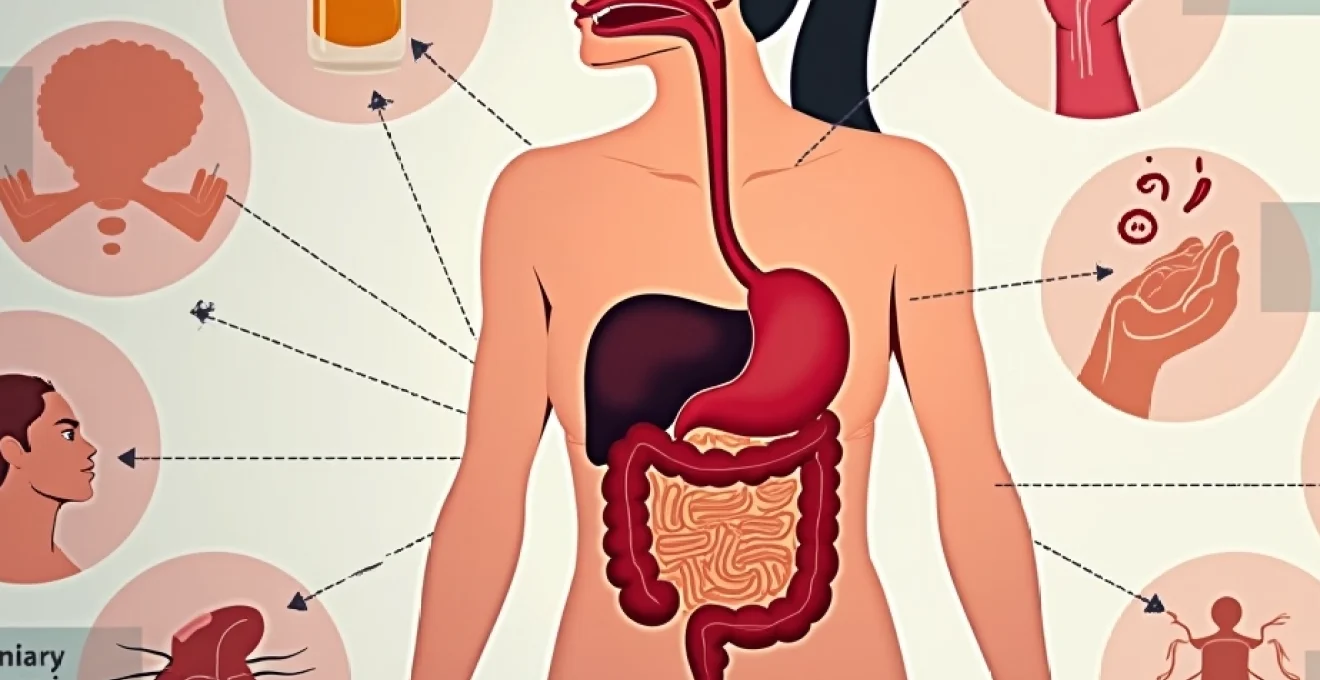
Armour Thyroid, a natural desiccated thyroid extract derived from porcine thyroid glands, has been a cornerstone treatment for hypothyroidism since the 1890s. This medication contains both T4 (thyroxine) and T3 (triiodothyronine) hormones, distinguishing it from synthetic alternatives that typically contain only T4. While Armour Thyroid can effectively restore thyroid hormone levels, patients may experience various side effects ranging from mild to severe. Understanding these potential adverse reactions is crucial for both healthcare providers and patients to ensure safe and effective treatment outcomes. The occurrence of side effects often correlates with dosage levels and individual patient sensitivity, making careful monitoring essential throughout therapy.
Gastrointestinal adverse reactions to desiccated thyroid extract
The digestive system frequently bears the brunt of thyroid hormone fluctuations, particularly when patients begin Armour Thyroid therapy or undergo dosage adjustments. These gastrointestinal manifestations often serve as early indicators of thyrotoxicosis, a condition characterised by excessive thyroid hormone levels in the bloodstream.
Nausea and vomiting patterns in armour thyroid patients
Nausea represents one of the most commonly reported gastrointestinal side effects among Armour Thyroid users. This symptom typically emerges when thyroid hormone levels exceed the body’s physiological requirements, triggering an accelerated metabolic state. The nausea often presents as persistent queasiness that may worsen throughout the day, particularly if the medication is taken on an empty stomach. Vomiting episodes, while less frequent than nausea alone, can occur in cases of significant hormone excess and may lead to dehydration concerns.
Diarrhoea and bowel movement changes during NDT therapy
Frequent bowel movements and diarrhoea constitute significant concerns for patients receiving natural desiccated thyroid therapy. The thyroid hormones directly influence gastrointestinal motility by enhancing the speed at which food moves through the digestive tract. This acceleration can result in loose stools, increased frequency of bowel movements, and in severe cases, watery diarrhoea. Patients often notice these changes within hours of taking their medication, particularly during the initial weeks of treatment or following dose increases.
Abdominal cramping and digestive discomfort mechanisms
Abdominal cramping frequently accompanies the increased bowel activity associated with Armour Thyroid therapy. These cramps typically manifest as sharp, intermittent pains in the lower abdomen and may be preceded by audible bowel sounds. The mechanism behind this discomfort involves the direct stimulation of intestinal smooth muscle by thyroid hormones, leading to enhanced contractility. Some patients describe the sensation as similar to pre-menstrual cramping or the discomfort experienced during gastroenteritis episodes.
Appetite fluctuations and weight management challenges
Paradoxically, many patients experience increased appetite alongside accelerated metabolism when taking Armour Thyroid. This heightened hunger can create complex weight management scenarios where individuals consume more food yet continue to lose weight due to elevated metabolic demands. The appetite changes often occur in waves, with some patients reporting intense food cravings followed by periods of complete appetite suppression. These fluctuations can significantly impact nutritional status and require careful dietary monitoring.
Cardiovascular system responses to natural thyroid hormones
The cardiovascular system demonstrates remarkable sensitivity to thyroid hormone levels, making cardiac side effects among the most concerning aspects of Armour Thyroid therapy. The heart muscle contains numerous thyroid hormone receptors, making it particularly responsive to fluctuations in T3 and T4 levels. These cardiovascular manifestations can range from mild palpitations to serious arrhythmias requiring immediate medical intervention.
Tachycardia and heart rate variability in NDT users
Tachycardia, characterised by a resting heart rate exceeding 100 beats per minute, represents one of the most frequently observed cardiovascular side effects. Patients often describe feeling their heart “racing” or beating forcefully, even during periods of rest. This acceleration occurs because thyroid hormones directly stimulate cardiac muscle cells and increase their sensitivity to natural stimulants like adrenaline. Heart rate variability may also become more pronounced, with patients experiencing sudden fluctuations between normal and elevated rates throughout the day.
Palpitations and arrhythmia risk factors
Palpitations manifest as the conscious awareness of one’s heartbeat, often described as a fluttering, pounding, or irregular sensation in the chest. These episodes can be particularly distressing for patients, especially when they occur unexpectedly during routine activities. The risk of developing more serious arrhythmias, including atrial fibrillation, increases significantly in elderly patients or those with pre-existing cardiovascular conditions. Careful cardiac monitoring becomes essential when initiating or adjusting Armour Thyroid dosages in high-risk populations.
Hypertension development during thyroid replacement therapy
Blood pressure elevation commonly accompanies excessive thyroid hormone exposure, with both systolic and diastolic measurements potentially affected. The hypertension typically develops gradually as thyroid levels rise beyond therapeutic ranges. This elevation occurs through multiple mechanisms, including increased cardiac output, enhanced blood volume, and altered vascular resistance. Patients with pre-existing hypertension may experience significant worsening of their condition, necessitating adjustments to their antihypertensive medications alongside thyroid hormone modifications.
Chest pain and cardiac stress symptoms
Chest pain associated with Armour Thyroid use can range from mild discomfort to severe pain mimicking cardiac events. This pain often results from increased myocardial oxygen demand coupled with potentially inadequate coronary blood supply, particularly in patients with underlying coronary artery disease. The pain may present as pressure, tightness, or sharp stabbing sensations and can radiate to the arms, jaw, or back. Any chest pain in thyroid hormone users requires immediate evaluation to distinguish between thyrotoxic effects and genuine cardiac pathology.
Neurological and psychological manifestations of armour thyroid treatment
The central nervous system exhibits profound sensitivity to thyroid hormone fluctuations, resulting in a spectrum of neurological and psychological symptoms that can significantly impact patient quality of life. These manifestations often develop insidiously and may be mistaken for psychiatric conditions or stress-related disorders.
Anxiety disorders and panic attack incidence
Anxiety represents one of the most debilitating psychological side effects of Armour Thyroid therapy. Patients frequently report feelings of restlessness, nervousness, and an overwhelming sense of impending doom. These symptoms can escalate into full panic attacks characterised by intense fear, sweating, trembling, and feelings of losing control. The anxiety often worsens during peak thyroid hormone absorption periods, typically 2-4 hours after medication administration. The distinction between therapeutic anxiety relief and iatrogenic anxiety induction requires careful clinical assessment and hormone level monitoring.
Insomnia and sleep architecture disruption
Sleep disturbances plague many patients receiving Armour Thyroid therapy, with insomnia being particularly problematic. The hypermetabolic state induced by excess thyroid hormones creates difficulty falling asleep, frequent nighttime awakenings, and early morning arousal. Sleep architecture becomes fragmented, with reduced deep sleep phases and increased REM sleep periods. Patients often describe feeling “wired” at bedtime despite physical exhaustion, leading to a cycle of sleep deprivation that exacerbates other thyrotoxic symptoms.
Tremor development and motor function changes
Fine tremors, particularly affecting the hands, constitute a hallmark sign of thyroid hormone excess. These tremors typically present as a fine, rapid shaking that becomes more pronounced during activities requiring precise motor control, such as writing or drinking from a cup. The tremor results from increased sensitivity of the nervous system to catecholamines and direct effects of thyroid hormones on motor neurons. Some patients also experience muscle weakness, particularly in the proximal muscle groups, which can impact activities of daily living.
Mood swings and emotional lability patterns
Emotional instability frequently accompanies Armour Thyroid therapy, with patients experiencing rapid shifts between euphoria, irritability, and depression. These mood changes can occur without apparent triggers and may strain personal relationships and professional performance. The emotional lability often intensifies during periods of hormone level fluctuation, such as when adjusting dosages or missing doses. Patients may describe feeling emotionally “raw” or having difficulty controlling their reactions to everyday stressors.
Cognitive function alterations and memory issues
Paradoxically, while thyroid hormones are essential for cognitive function, excessive levels can impair concentration, memory, and mental clarity. Patients often report difficulty focusing on tasks, forgetfulness, and a sensation of mental “fogginess.” These cognitive symptoms can be particularly frustrating for individuals whose hypothyroidism originally presented with similar complaints. The cognitive impairment typically affects working memory and executive function more than long-term memory storage and retrieval.
The complex interplay between thyroid hormones and neurotransmitter systems means that even subtle dosage adjustments can significantly impact cognitive performance and emotional regulation.
Dermatological and temperature regulation side effects
Skin manifestations and thermoregulatory disturbances frequently accompany Armour Thyroid therapy, reflecting the hormone’s profound influence on metabolic processes and peripheral circulation. These effects often serve as visible indicators of treatment adequacy or excess, making them valuable clinical markers for healthcare providers.
Excessive sweating, or hyperhidrosis, represents one of the most common dermatological complaints among patients receiving natural desiccated thyroid therapy. This sweating typically becomes generalised, affecting the entire body rather than localised areas, and often occurs even in cool environments or during minimal physical activity. The mechanism involves thyroid hormones’ direct stimulation of sweat glands and their role in increasing overall metabolic heat production. Patients frequently describe feeling uncomfortably warm and may require frequent clothing changes throughout the day.
Heat intolerance develops as the body’s thermoregulatory mechanisms struggle to cope with increased metabolic heat generation. Individuals may find previously comfortable temperatures unbearable and seek cooler environments or lighter clothing. This intolerance can significantly impact daily activities, particularly during warmer months or in heated indoor spaces. The severity of heat intolerance often correlates directly with the degree of thyroid hormone excess , making it a useful clinical indicator for dosage adjustments.
Hair loss, while temporary in most cases, causes significant distress for many patients. The alopecia typically presents as diffuse thinning rather than patchy baldness and may affect both scalp and body hair. In children receiving thyroid hormone therapy, partial hair loss commonly occurs during the first few months of treatment but usually resolves spontaneously as hormone levels stabilise. The hair loss mechanism involves alterations in the hair growth cycle, with more follicles entering the telogen (resting) phase prematurely.
Skin texture changes may include increased oiliness, flushing, and enhanced warmth to touch. Some patients develop a characteristic facial flushing that extends to the neck and upper chest area, creating a persistent reddened appearance. These dermatological manifestations often resolve with appropriate dosage adjustments but may persist in patients who remain on higher therapeutic doses.
Endocrine system interactions and hormonal imbalances
The endocrine system operates as an intricate network of hormone-producing glands, and Armour Thyroid therapy can significantly influence this delicate balance. Understanding these interactions becomes crucial for managing patients with multiple endocrine conditions or those at risk for developing secondary hormonal disturbances.
Menstrual irregularities frequently affect women receiving thyroid hormone replacement therapy. These disruptions can manifest as changes in cycle length, flow intensity, or complete cessation of menstruation. The thyroid hormones directly influence reproductive hormone production and metabolism, affecting the hypothalamic-pituitary-gonadal axis. Women may experience breakthrough bleeding, prolonged cycles, or amenorrhea depending on their individual sensitivity and hormone levels. These menstrual changes often normalise once optimal thyroid hormone levels are achieved and maintained.
Adrenal function becomes particularly important in patients receiving Armour Thyroid, as thyroid hormones can increase cortisol metabolism and clearance. This interaction may unmask previously subclinical adrenal insufficiency or exacerbate existing adrenal dysfunction. Patients with concurrent adrenal disorders require careful monitoring and may need glucocorticoid supplementation before initiating thyroid hormone therapy. The relationship between thyroid and adrenal function demonstrates the interconnected nature of endocrine systems.
Bone metabolism alterations represent a significant long-term concern, particularly in postmenopausal women and elderly patients. Excessive thyroid hormone levels can accelerate bone turnover, leading to decreased bone density and increased fracture risk. Regular bone density monitoring becomes essential for patients on long-term Armour Thyroid therapy, especially those requiring higher doses or with additional risk factors for osteoporosis.
Blood glucose regulation may also be affected, with thyroid hormones influencing insulin sensitivity and glucose metabolism. Diabetic patients may require adjustments to their glucose-lowering medications when starting or modifying thyroid hormone therapy. The metabolic effects can either improve insulin sensitivity in some patients or worsen glycaemic control in others, necessitating careful monitoring of blood glucose levels during treatment initiation and dose adjustments.
The endocrine system’s interconnected nature means that thyroid hormone replacement therapy can have far-reaching effects beyond simple thyroid hormone normalisation, requiring comprehensive patient assessment and monitoring.
Dosage-dependent adverse reactions and individual patient variability
The relationship between Armour Thyroid dosage and side effect occurrence follows a complex pattern influenced by numerous patient-specific factors. Individual variability in hormone metabolism, absorption, and sensitivity creates unique therapeutic challenges that require personalised treatment approaches.
Dose-related side effects typically emerge when thyroid hormone levels exceed individual therapeutic ranges, a condition known as iatrogenic thyrotoxicosis. The severity and onset of these effects correlate with both the degree of hormone excess and the duration of exposure. Mild elevations may produce subtle symptoms that develop gradually, while significant overdosing can result in acute, severe manifestations requiring immediate medical intervention. The therapeutic window between effective treatment and side effect development varies considerably among patients.
Absorption variability significantly impacts individual patient responses to standardised Armour Thyroid doses. Factors such as gastrointestinal health, concurrent medications, food intake timing, and individual metabolic differences can substantially alter hormone bioavailability. Some patients may require higher doses due to poor absorption, while others achieve therapeutic levels with minimal amounts. This variability necessitates individualised dosing strategies based on clinical response and laboratory monitoring rather than standardised weight-based calculations.
Age-related considerations become particularly important when prescribing Armour Thyroid therapy. Elderly patients demonstrate increased sensitivity to thyroid hormones and higher risks for cardiovascular complications. Starting doses typically require reduction by 25-50% in patients over 65 years, with more gradual titration schedules to minimise adverse reactions. Conversely, younger patients may tolerate more rapid dose adjustments and higher therapeutic levels without significant side effects.
Genetic polymorphisms affecting thyroid hormone metabolism and transport can dramatically influence individual patient responses. Variations in deiodinase enzymes, which convert T4 to active T3, may result in altered hormone ratios and therapeutic requirements. Similarly, genetic differences in thyroid hormone transporters can affect cellular uptake and utilisation. These genetic factors help explain why some patients thrive on Armour Thyroid while others experience persistent side effects despite apparently appropriate dosing.
Comorbidity interactions create additional complexity in predicting and managing side effects. Patients with cardiovascular disease, diabetes, adrenal disorders, or psychiatric conditions may experience amplified responses to thyroid hormone therapy. These interactions require careful consideration when determining appropriate starting doses and monitoring frequencies. The presence of multiple comorbidities often necessitates more conservative dosing approaches and enhanced surveillance protocols.
Monitoring strategies must account for individual patient characteristics and risk factors. Laboratory assessments should include not only thyroid function tests but also cardiovascular markers, bone metabolism indicators, and other relevant parameters based on patient-specific risks. Regular clinical evaluations focusing on symptom assessment and physical examination findings provide crucial information for optimising therapy while minimising adverse effects. The frequency of monitoring may need adjustment based on patient stability, dose changes, and the presence of concerning symptoms.