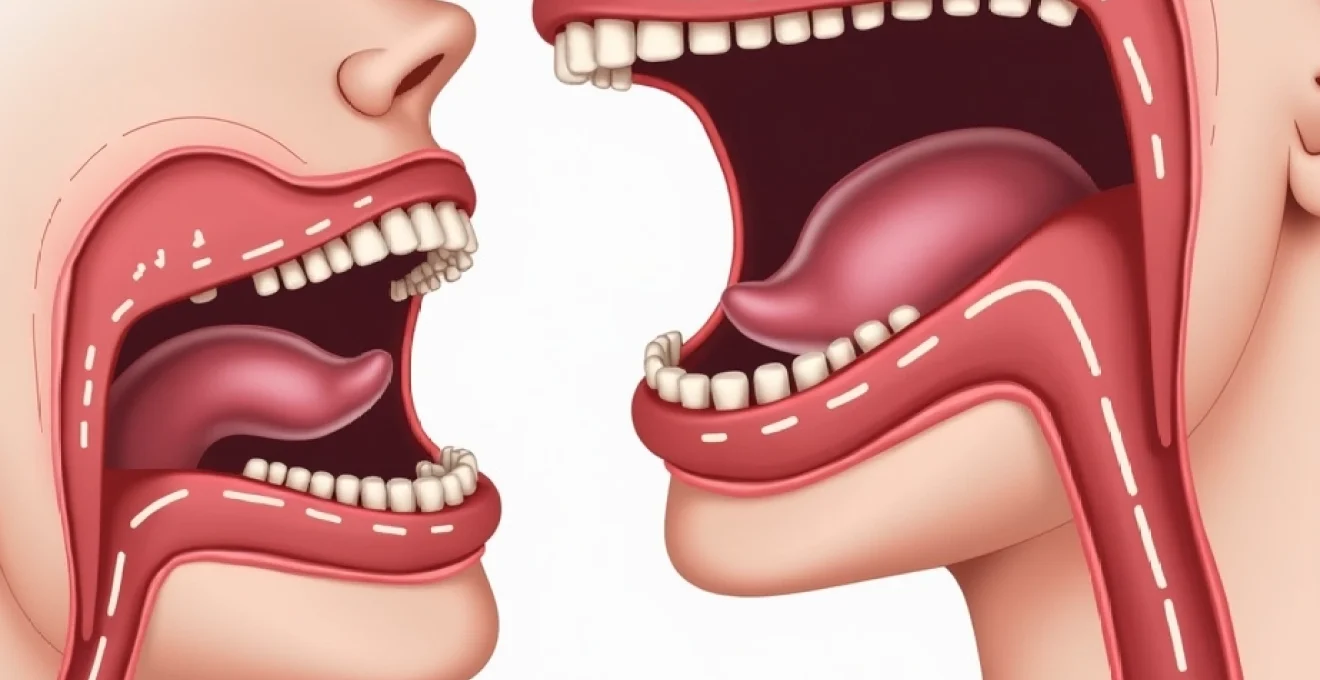
Experiencing gagging or retching without actually vomiting can be both distressing and perplexing. This phenomenon, medically termed dry heaving or non-productive retching, affects millions of people worldwide and can significantly impact quality of life. Unlike typical vomiting episodes, these occurrences involve the characteristic muscle contractions and sensations of nausea without any actual expulsion of stomach contents. The complexity of this condition stems from its multifaceted nature, involving intricate interactions between neurological, gastrointestinal, and psychological systems. Understanding the underlying mechanisms and triggers becomes crucial for both healthcare professionals and individuals experiencing these symptoms, as proper identification can lead to more effective management strategies and improved patient outcomes.
Physiological mechanisms behind Non-Productive retching episodes
The physiological process of dry heaving represents a complex orchestration of muscular contractions and neural signals that typically precede vomiting. During these episodes, the diaphragm and abdominal muscles contract rhythmically while the airway temporarily closes, creating the characteristic retching motion. This process involves coordination between the respiratory muscles, the oesophageal sphincters, and the gastric smooth muscle, all under the control of the medullary vomiting centre in the brainstem.
The phenomenon occurs when the body’s natural protective mechanisms are triggered, yet the stomach contents remain insufficient to warrant actual expulsion. This can happen when the stomach is already empty, when the triggering stimulus is relatively mild, or when certain pathological conditions interfere with normal gastric function. The brain continues to send signals to prepare for vomiting, but the physical act cannot be completed due to the absence of material to expel.
Vagus nerve hyperstimulation and parasympathetic response patterns
The vagus nerve plays a pivotal role in triggering non-productive retching episodes through its extensive connections with the gastrointestinal system. When hyperstimulated, this cranial nerve can initiate a cascade of parasympathetic responses that mimic the early stages of vomiting without completion. Vagal hyperstimulation often occurs in response to various triggers, including emotional stress, certain medications, or underlying medical conditions that affect autonomic nervous system function.
This hyperstimulation manifests through increased gastric acid production, altered oesophageal motility, and heightened sensitivity to normal digestive processes. Patients experiencing vagal-mediated dry heaving often report accompanying symptoms such as excessive salivation, bradycardia, and a sense of impending nausea. The condition can become cyclical, as anxiety about experiencing symptoms can further stimulate vagal activity, creating a self-perpetuating cycle of distress.
Gastroesophageal reflux disease (GERD) and lower oesophageal sphincter dysfunction
GERD represents one of the most common underlying causes of recurrent dry heaving episodes. When the lower oesophageal sphincter fails to function properly, stomach acid can reflux into the oesophagus, triggering the gag reflex and initiating retching behaviours. This dysfunction creates a burning sensation in the chest and throat, often accompanied by the taste of stomach acid in the mouth. Gastroesophageal reflux can occur even when the stomach is relatively empty, leading to non-productive retching attempts as the body tries to clear the perceived irritant from the oesophagus.
The relationship between GERD and dry heaving becomes particularly pronounced during certain activities or positions. Bending over, lying down shortly after eating, or consuming trigger foods can exacerbate reflux symptoms and increase the likelihood of experiencing non-productive retching. Many patients report that these episodes are most common in the morning hours, when lying flat during sleep has allowed gastric contents to reflux more freely into the oesophageal space.
Hiatal hernia impact on diaphragmatic movement during retching
Hiatal hernias significantly complicate the normal mechanics of retching by altering the anatomical relationship between the stomach and diaphragm. When a portion of the stomach protrudes through the diaphragmatic opening, it can interfere with normal oesophageal function and create abnormal pressure relationships within the thoracic cavity. This anatomical disruption often leads to paradoxical retching patterns where the normal coordination between diaphragmatic contraction and gastric emptying becomes compromised.
Patients with hiatal hernias frequently experience dry heaving episodes that are more prolonged and intense than those seen in individuals with normal anatomy. The herniated stomach portion can act as a reservoir for refluxed material, creating ongoing irritation of the oesophageal lining even when the main stomach compartment is empty. This persistent irritation serves as a continuous trigger for the gag reflex, leading to recurrent non-productive retching episodes throughout the day.
Gastroparesis and delayed gastric emptying mechanisms
Gastroparesis, characterised by delayed gastric emptying due to impaired stomach motility, creates unique conditions that predispose individuals to dry heaving episodes. When the stomach’s muscular contractions become weak or uncoordinated, food remains in the gastric cavity for extended periods, potentially leading to bacterial overgrowth and fermentation. This delayed emptying can trigger nausea and retching reflexes even when relatively small amounts of food are present, as the stomach attempts to clear contents that it cannot effectively process through normal peristaltic waves.
The relationship between gastroparesis and non-productive retching becomes particularly complex because the condition often affects the stomach’s ability to recognise its own contents accurately. Nerve damage, commonly associated with diabetes mellitus or certain medications, can disrupt normal gastric sensation, leading to inappropriate activation of vomiting reflexes. Patients may experience waves of dry heaving that seem disproportionate to their actual gastric contents, creating significant discomfort and nutritional challenges.
Neurological conditions triggering dry heaving without emesis
Neurological disorders represent a significant category of conditions that can precipitate non-productive retching through various mechanisms affecting brainstem function, vestibular processing, and chemoreceptor sensitivity. These conditions often present with gagging episodes as early symptoms, sometimes preceding other neurological manifestations by months or years. The intricate neural networks responsible for coordinating vomiting reflexes can be disrupted by lesions, inflammation, or degenerative processes affecting specific brain regions.
The complexity of neurologically-mediated dry heaving lies in its unpredictable nature and potential association with other neurological symptoms. Patients may experience sudden onset episodes triggered by specific movements, sensory stimuli, or even cognitive activities. Understanding these neurological underpinnings becomes crucial for healthcare providers, as appropriate management often requires addressing the underlying neurological condition rather than focusing solely on the gastrointestinal symptoms.
Migraine-associated vestibular dysfunction and nausea pathways
Migraine headaches frequently involve complex interactions between the trigeminal vascular system and brainstem nuclei that control nausea and vomiting reflexes. During migraine episodes, sensitisation of these neural pathways can trigger cyclical vomiting patterns that may include periods of non-productive retching. The vestibular system becomes particularly sensitive during migraine attacks, with even minor head movements potentially triggering intense nausea and subsequent dry heaving episodes.
Vestibular migraines represent a specific subtype where balance disturbances and motion sensitivity dominate the clinical picture. These patients often experience prolonged periods of nausea with associated dry heaving that can persist for hours or days. The condition creates a challenging cycle where the fear of triggering symptoms through movement leads to reduced activity levels, potentially worsening both the migraine condition and associated gastrointestinal symptoms.
Ménière’s disease labyrinthine disturbances and gagging reflexes
Ménière’s disease affects the inner ear’s fluid balance, creating severe vertigo episodes often accompanied by intense nausea and vomiting reflexes. The sudden onset of rotational vertigo can trigger immediate activation of the vomiting centre, leading to forceful retching attempts even when the stomach is empty. Labyrinthine dysfunction creates a direct neural connection between vestibular disturbances and gastrointestinal responses, making dry heaving a common and distressing symptom during acute Ménière’s attacks.
The unpredictable nature of Ménière’s disease episodes makes managing associated dry heaving particularly challenging. Patients often develop anticipatory anxiety about potential attacks, which can create additional psychological triggers for nausea and retching. The combination of severe vertigo, hearing loss, tinnitus, and persistent dry heaving can significantly impact quality of life and requires comprehensive management approaches addressing both vestibular and gastrointestinal symptoms.
Multiple sclerosis brainstem lesions affecting medullary centres
Multiple sclerosis lesions affecting brainstem structures can directly impact the medullary centres responsible for coordinating vomiting reflexes. When demyelinating plaques develop in areas controlling the chemoreceptor trigger zone or surrounding neural networks, patients may experience inappropriate activation of nausea and retching responses. These episodes can occur without obvious triggers and may not follow typical patterns associated with gastrointestinal causes of dry heaving.
The progression of multiple sclerosis can lead to increasingly frequent episodes of non-productive retching as more neural pathways become affected. Patients may notice correlations between neurological exacerbations and increased frequency of gagging episodes. The challenge in managing MS-related dry heaving lies in distinguishing between neurologically-mediated symptoms and potential medication-induced side effects, as many disease-modifying therapies can also contribute to gastrointestinal symptoms.
Post-concussion syndrome and altered chemoreceptor trigger zone function
Head injuries can disrupt normal chemoreceptor trigger zone function, leading to persistent nausea and dry heaving episodes that may continue for weeks or months following the initial trauma. Post-concussion syndrome often includes vestibular dysfunction and altered neurotransmitter balance, both of which can contribute to ongoing gastrointestinal symptoms. The brain’s ability to process and respond appropriately to normal stimuli becomes compromised, leading to exaggerated responses to minor triggers.
Recovery from post-concussion dry heaving can be prolonged and unpredictable, often requiring multidisciplinary management approaches. Cognitive rest, vestibular rehabilitation, and careful medication management become essential components of treatment. The condition highlights the intimate connection between brain function and gastrointestinal responses, demonstrating how seemingly isolated head injuries can create systemic symptoms affecting multiple organ systems.
Pharmaceutical-induced gagging reactions and drug interactions
Medication-induced dry heaving represents a frequently overlooked cause of non-productive retching episodes, with numerous pharmaceutical agents capable of triggering these symptoms through various mechanisms. The relationship between medications and gagging responses can be direct, through irritation of gastric mucosa or stimulation of chemoreceptor zones, or indirect, through alterations in neurotransmitter balance or gastric motility patterns. Understanding these pharmaceutical triggers becomes particularly important given the increasing prevalence of polypharmacy in modern medical practice, where multiple medications can interact to create unexpected gastrointestinal side effects.
Antidepressant medications, particularly selective serotonin reuptake inhibitors (SSRIs), commonly cause nausea and retching as initial side effects. The mechanism involves overstimulation of serotonin receptors in both the central nervous system and the gastrointestinal tract, leading to enhanced sensitivity of the vomiting centres. Opioid medications represent another significant category, affecting gastric motility and directly stimulating the chemoreceptor trigger zone, often resulting in persistent dry heaving episodes that can complicate pain management protocols.
Chemotherapy agents present unique challenges in terms of inducing dry heaving, as they often cause severe nausea that can persist even after the stomach has been completely emptied. The delayed-onset nature of many chemotherapy-induced symptoms means that patients may experience waves of non-productive retching hours or days after treatment administration. Antibiotic medications, particularly macrolides and fluoroquinolones, can irritate gastric mucosa and alter normal bacterial flora, contributing to persistent nausea and associated dry heaving episodes.
Drug interactions can compound the problem significantly, as combinations of medications may have synergistic effects on gastrointestinal function. For example, the concurrent use of prokinetic agents with certain psychiatric medications can create unexpected alterations in gastric motility, leading to inappropriate activation of vomiting reflexes. Careful medication review and consideration of temporal relationships between drug initiation and symptom onset become crucial elements in identifying pharmaceutical causes of dry heaving.
Healthcare providers must maintain heightened awareness of medication-induced gagging responses, as these reactions can often be prevented through careful drug selection, dosing modifications, or the implementation of prophylactic antiemetic protocols.
Psychological triggers and psychosomatic gagging responses
The intricate relationship between psychological state and gastrointestinal function creates numerous pathways through which emotional and mental health factors can trigger dry heaving episodes. Psychosomatic gagging responses represent genuine physiological reactions to psychological stimuli, involving real neural pathways and measurable changes in autonomic nervous system function. These responses can be just as distressing and physically uncomfortable as those caused by organic medical conditions, requiring comprehensive treatment approaches that address both psychological and physiological components.
Stress-induced activation of the hypothalamic-pituitary-adrenal axis can significantly alter gastrointestinal function, leading to changes in gastric acid production, intestinal motility, and sensitivity to normal digestive processes. Chronic stress creates a state of heightened autonomic nervous system activity, making individuals more susceptible to triggering of nausea and retching reflexes by relatively minor stimuli. The gut-brain axis plays a crucial role in this process, with bidirectional communication between the central nervous system and enteric nervous system creating opportunities for psychological factors to manifest as gastrointestinal symptoms.
Anxiety Disorder-Related hyperventilation and throat constriction
Anxiety disorders frequently manifest with physical symptoms that can include persistent nausea and associated dry heaving episodes. The physiological arousal associated with anxiety states creates multiple pathways for triggering gagging responses, including hyperventilation-induced changes in blood pH, throat muscle tension, and heightened sensitivity to normal bodily sensations. Panic attacks can precipitate sudden onset dry heaving through rapid activation of sympathetic nervous system responses, creating a cascade of physiological changes that mimic those seen in organic gastrointestinal disorders.
The relationship between anxiety and gagging becomes particularly complex because the fear of experiencing symptoms can itself become a trigger for anxiety, creating a self-perpetuating cycle. Patients may develop specific phobias related to situations where they have previously experienced dry heaving, leading to anticipatory anxiety that increases the likelihood of symptom recurrence. Cognitive-behavioural interventions focusing on breaking these anxiety cycles often prove essential for successful management of anxiety-related dry heaving episodes.
Post-traumatic stress disorder (PTSD) somatic manifestations
PTSD can manifest through numerous somatic symptoms, including persistent gastrointestinal disturbances that may include recurrent dry heaving episodes. Trauma survivors often experience heightened autonomic nervous system reactivity, making them more susceptible to triggering of stress responses by environmental stimuli that may seem innocuous to others. The hypervigilance characteristic of PTSD can extend to bodily sensations, leading to amplified responses to normal gastrointestinal functions and increased likelihood of experiencing nausea and associated retching behaviours.
Specific trauma-related triggers can precipitate sudden onset dry heaving through activation of traumatic memories and associated physiological responses. These episodes may occur without obvious connection to the original traumatic event, making them particularly distressing for patients who may not initially recognise the psychological underpinnings of their symptoms. Treatment approaches typically require integration of trauma-focused psychotherapy with medical management of gastrointestinal symptoms to achieve optimal outcomes.
Eating Disorder-Associated conditioned gag reflexes
Eating disorders can create complex relationships between food intake, body image concerns, and gastrointestinal responses that may include conditioned gagging reflexes. Individuals with anorexia nervosa or bulimia nervosa may develop heightened gag reflexes as a result of repeated vomiting behaviours, creating situations where even the thought or smell of food can trigger dry heaving episodes. Conditioned responses develop through classical conditioning mechanisms, where previously neutral stimuli become associated with nausea and vomiting experiences.
The recovery process from eating disorders often involves gradual desensitisation to food-related triggers and rebuilding normal relationships with eating behaviours. However, conditioned gag
reflexes can persist long after active eating disorder behaviours have ceased, requiring specialised therapeutic interventions that address both the psychological and physiological aspects of these conditioned responses. The integration of exposure therapy techniques with nutritional rehabilitation becomes essential for helping individuals overcome these persistent gagging patterns and rebuild healthy relationships with food intake.
Diagnostic approaches for differentiating non-productive retching causes
Establishing an accurate diagnosis for persistent dry heaving episodes requires a systematic approach that considers the multifactorial nature of this condition. Healthcare providers must carefully evaluate the temporal patterns of symptoms, associated clinical features, and potential triggering factors to differentiate between various underlying causes. The diagnostic process typically begins with a comprehensive history that explores the frequency, duration, and characteristics of gagging episodes, along with any identifiable triggers or relieving factors that patients may have observed.
Physical examination plays a crucial role in identifying signs of underlying conditions that may contribute to non-productive retching. Neurological assessment becomes particularly important when episodes occur without obvious gastrointestinal triggers, as brainstem lesions or vestibular dysfunction may not be immediately apparent through routine examination. Healthcare providers must also assess for signs of dehydration, malnutrition, or electrolyte imbalances that may result from persistent dry heaving episodes, as these complications can themselves perpetuate the cycle of symptoms.
Laboratory investigations may include comprehensive metabolic panels to evaluate for metabolic causes of nausea, thyroid function tests to rule out hyperthyroidism, and inflammatory markers to assess for underlying systemic conditions. Upper gastrointestinal imaging studies, including barium swallow examinations or computed tomography scans, can help identify structural abnormalities such as hiatal hernias or gastric outlet obstruction that may contribute to retching episodes. Endoscopic evaluation may be warranted in cases where GERD or other mucosal abnormalities are suspected as primary contributing factors.
Specialised testing procedures may include gastric emptying studies to evaluate for gastroparesis, oesophageal manometry to assess sphincter function, and vestibular function testing when neurological causes are suspected. The selection of appropriate diagnostic tests depends heavily on the clinical presentation and suspected underlying pathophysiology. Healthcare providers must also consider the potential role of medication-induced symptoms by carefully reviewing all prescription and over-the-counter medications, including recent changes in dosing or formulation that may coincide with symptom onset.
The key to successful diagnosis lies in recognising that dry heaving often represents a symptom complex rather than a singular disease entity, requiring comprehensive evaluation of multiple potential contributing factors simultaneously.
Evidence-based treatment protocols for persistent dry heaving episodes
Effective management of persistent dry heaving requires individualised treatment approaches that address the specific underlying causes while providing symptomatic relief and preventing complications. Evidence-based protocols emphasise the importance of early intervention to prevent the development of conditioned responses and secondary complications such as dehydration or nutritional deficiencies. The foundation of treatment typically involves identifying and addressing modifiable risk factors, including dietary modifications, medication adjustments, and lifestyle changes that can reduce symptom frequency and severity.
Pharmacological interventions form a cornerstone of management for many patients experiencing recurrent dry heaving episodes. Antiemetic medications, including ondansetron, metoclopramide, and promethazine, can provide effective symptom control by blocking various neurotransmitter pathways involved in nausea and vomiting reflexes. Proton pump inhibitors prove particularly beneficial for patients with underlying GERD, as reducing gastric acid production can minimise oesophageal irritation and associated gagging responses. The selection of appropriate medications must consider potential interactions with existing therapies and individual patient factors such as cardiac status and neurological function.
Non-pharmacological interventions often provide substantial benefits with fewer side effects than medication-based approaches. Dietary modifications, including smaller, more frequent meals and avoidance of specific trigger foods, can significantly reduce symptom frequency in patients with gastrointestinal causes of dry heaving. Behavioural techniques, such as diaphragmatic breathing exercises and progressive muscle relaxation, help patients develop coping strategies for managing episodes when they occur and may reduce the frequency of psychologically-triggered symptoms.
Psychological interventions become essential for patients with anxiety-related or trauma-associated dry heaving patterns. Cognitive-behavioural therapy helps patients identify and modify thought patterns that may contribute to anticipatory anxiety and subsequent symptom development. Exposure therapy techniques can be particularly effective for addressing conditioned gag reflexes, allowing patients to gradually build tolerance to previously triggering stimuli. The integration of mindfulness-based stress reduction techniques provides patients with tools for managing both the physical and emotional aspects of their symptoms.
Long-term management protocols emphasise the importance of regular monitoring and adjustment of treatment approaches based on patient response and changing clinical circumstances. Follow-up appointments should assess symptom frequency, functional impact, and potential complications such as weight loss or social isolation. Healthcare providers must remain vigilant for signs of treatment resistance or symptom progression that may indicate the need for more intensive interventions or reevaluation of the underlying diagnosis. The development of comprehensive care plans that involve multiple healthcare disciplines often provides optimal outcomes for patients with complex or refractory symptoms.
Patient education represents a crucial component of successful treatment protocols, empowering individuals to recognise early warning signs and implement appropriate self-management strategies. Understanding the relationship between triggers and symptoms helps patients develop personalised approaches to symptom prevention and management. The provision of clear guidance regarding when to seek medical attention ensures that complications are identified and addressed promptly, preventing the progression to more serious medical conditions that may require hospitalisation or invasive interventions.