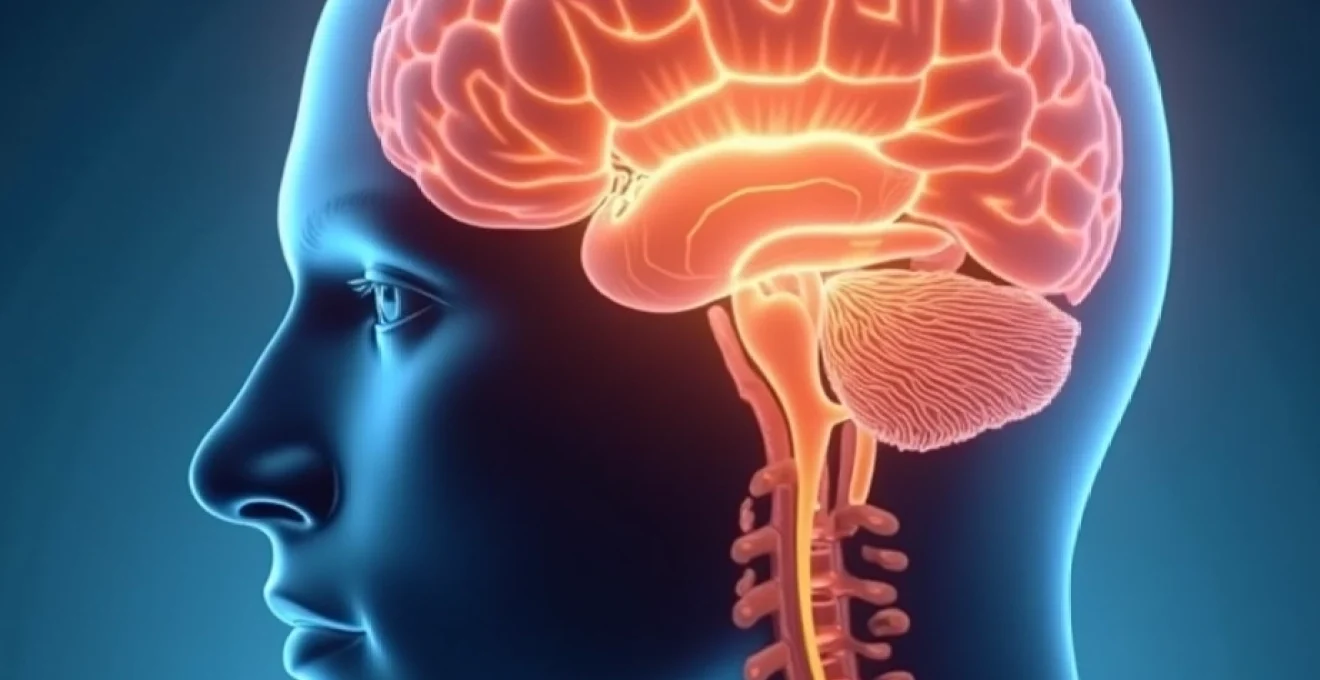
Unilateral head tingling, medically termed hemicranial paraesthesia, represents a complex neurological phenomenon that affects millions of individuals worldwide. This distinctive sensation, characterised by pins-and-needles feelings, numbness, or abnormal tingling confined to one side of the head, can range from a mild annoyance to a debilitating condition that significantly impacts daily life. The asymmetric nature of these symptoms often provides crucial diagnostic clues, as the human nervous system’s intricate architecture means that one-sided sensations typically point to specific anatomical structures or pathological processes.
Understanding the underlying mechanisms behind unilateral cranial paraesthesia requires a comprehensive examination of the complex interplay between neurological, vascular, inflammatory, and mechanical factors. The head’s rich innervation involves multiple cranial nerves, cervical nerve roots, and intricate vascular networks, each capable of producing distinctive patterns of sensory disturbance when compromised. Recognising these patterns is essential for healthcare professionals and patients alike, as prompt identification can facilitate appropriate treatment and prevent potential complications.
Neurological mechanisms behind unilateral cranial paraesthesia
The neurological basis of one-sided head tingling involves sophisticated sensory pathways that can be disrupted at multiple levels. From peripheral nerve dysfunction to central nervous system abnormalities, various mechanisms contribute to the development of hemicranial paraesthesia. The complexity of cranial innervation means that seemingly minor disruptions can produce profound sensory changes, affecting everything from light touch sensation to deep pressure perception.
Trigeminal nerve branch dysfunction and sensory distribution patterns
The trigeminal nerve, cranial nerve V, represents the primary sensory nerve for the head and face, with its three distinct branches creating predictable patterns of sensory distribution. When dysfunction occurs within specific branches, patients experience characteristic patterns of tingling that correspond to precise anatomical territories. The ophthalmic division (V1) supplies sensation to the forehead, upper eyelid, and frontal scalp, whilst the maxillary division (V2) innervates the cheek, upper lip, and nasal area.
Trigeminal neuralgia, whilst typically associated with sharp, electric-shock-like pain, can also manifest as persistent tingling or numbness in its early stages or during remission periods. Branch-specific dysfunction often results from compression by blood vessels, demyelinating processes, or space-occupying lesions within the cerebellopontine angle. Patients frequently describe a gradual onset of altered sensation that may progress to more severe symptoms without appropriate intervention.
Occipital neuralgia and greater occipital nerve irritation
The greater occipital nerve, arising from the C2 spinal nerve root, provides sensory innervation to the posterior scalp, extending from the suboccipital region to the vertex of the head. When this nerve becomes irritated or compressed, it produces a distinctive pattern of occipital neuralgia characterised by sharp, shooting pains accompanied by persistent tingling sensations. The condition often develops following trauma, cervical spine dysfunction, or sustained muscle tension in the suboccipital region.
Diagnosis of occipital neuralgia relies heavily on the characteristic distribution of symptoms, which typically follow the anatomical pathway of the affected nerve. Patients often report tenderness over the emergence point of the greater occipital nerve, located approximately one-third of the distance from the mastoid process to the external occipital protuberance. Conservative management approaches frequently prove effective, including targeted stretching exercises, postural correction, and anti-inflammatory medications.
Cervical spine nerve root impingement at C2-C3 levels
Cervical nerve root impingement at the C2-C3 levels creates a complex pattern of referred sensations that can manifest as unilateral head tingling. The intimate anatomical relationship between upper cervical nerve roots and cranial sensory pathways means that cervical pathology can produce symptoms traditionally associated with primary headache disorders. Herniated discs, facet joint arthropathy, and cervical spondylosis represent common mechanical causes of nerve root compression at these levels.
The phenomenon of cervicogenic referred pain involves the trigeminocervical complex, where convergence of trigeminal and upper cervical sensory fibres occurs within the trigeminocervical nucleus. This convergence explains why cervical pathology can produce symptoms that patients perceive as originating from the head rather than the neck. Diagnostic challenges arise because patients may not experience concurrent neck pain, leading to potential misdiagnosis and inappropriate treatment approaches.
Temporomandibular joint disorders affecting auriculotemporal nerve
Temporomandibular joint (TMJ) disorders frequently produce referred sensations affecting the auriculotemporal nerve, a branch of the mandibular division of the trigeminal nerve. This nerve provides sensory innervation to the temporal region, ear, and portions of the scalp, creating a distribution pattern that can confuse both patients and clinicians. TMJ dysfunction often results from bruxism, malocclusion, or degenerative joint changes that alter normal biomechanics.
The relationship between TMJ disorders and head tingling involves both direct neural irritation and referred pain mechanisms. Inflammation within the joint capsule can affect nearby neural structures, whilst altered jaw mechanics can create sustained muscle tension that propagates to cervical and cranial regions. Patients often report symptoms that worsen with jaw movement, chewing, or clenching, providing valuable diagnostic clues for healthcare providers.
Vascular causes of hemicranial tingling sensations
Vascular aetiologies represent a significant category of conditions capable of producing unilateral head tingling, ranging from benign migraine phenomena to potentially life-threatening cerebrovascular events. The brain’s extensive vascular network and its intricate relationship with neural structures mean that alterations in blood flow, vessel calibre, or vascular integrity can produce various sensory disturbances. Understanding these vascular mechanisms is crucial for appropriate risk stratification and management decisions.
Migraine with aura and cortical spreading depression phenomena
Migraine with aura represents one of the most common causes of transient unilateral head tingling, affecting approximately 25-30% of migraine sufferers. The underlying mechanism involves cortical spreading depression (CSD), a wave of neuronal and glial depolarisation that propagates across the cerebral cortex at a rate of 2-3 millimetres per minute. This phenomenon creates the characteristic visual, sensory, and occasionally motor symptoms that define migraine aura.
Sensory aura symptoms typically manifest as paraesthesias that begin in the fingers or perioral region and gradually spread to involve larger areas of the body, including the head and face. The progression follows a characteristic pattern that helps distinguish migraine aura from other neurological conditions. Symptoms usually develop over 5-20 minutes, persist for less than 60 minutes, and are followed by the headache phase in most patients.
The relationship between CSD and trigeminal nerve activation explains why migraine patients often experience prolonged head and facial tingling even after the acute headache phase resolves. Trigeminovascular activation leads to neurogenic inflammation and sensitisation of pain pathways, creating a state of heightened neural excitability that can persist for hours or days following an acute attack.
Temporal arteritis and giant cell arteritis manifestations
Giant cell arteritis (GCA), also known as temporal arteritis, represents a medical emergency that can present with unilateral head tingling among its constellation of symptoms. This large-vessel vasculitis primarily affects individuals over 50 years of age and demonstrates a predilection for branches of the carotid artery, including the temporal arteries. The inflammatory process can compromise blood flow to various neural structures, producing sensory disturbances alongside the classic symptoms of headache and jaw claudication.
Early recognition of GCA is paramount due to the risk of permanent vision loss from anterior ischaemic optic neuropathy. Patients may initially present with subtle sensory changes, including tingling or numbness in the temporal or occipital regions, before developing more obvious signs such as temporal artery tenderness or visual symptoms. The erythrocyte sedimentation rate and C-reactive protein levels are typically markedly elevated, supporting the clinical diagnosis.
The pathophysiology involves granulomatous inflammation of the arterial wall, with multinucleated giant cells characteristic of the condition. This inflammatory process leads to vessel wall thickening, luminal narrowing, and potential thrombosis, compromising perfusion to dependent neural structures. Prompt initiation of high-dose corticosteroids can prevent irreversible complications and restore neural function.
Vertebrobasilar insufficiency and posterior circulation compromise
Vertebrobasilar insufficiency (VBI) represents a complex condition involving compromised blood flow through the posterior circulation, potentially affecting brainstem structures responsible for sensory processing. The vertebrobasilar system supplies critical areas including the brainstem, cerebellum, and posterior cerebral hemispheres, making it capable of producing diverse neurological symptoms when compromised. Unilateral head tingling may represent an early manifestation of posterior circulation compromise.
The anatomical configuration of the vertebrobasilar system makes it particularly susceptible to mechanical compression and atherosclerotic disease. Cervical spine pathology, including osteophytes and instability, can compromise vertebral artery flow during head and neck movements. Additionally, atherosclerotic disease preferentially affects the origins of the vertebral arteries and the basilar artery, creating potential sites for embolic events or haemodynamic compromise.
Clinical presentation of VBI often includes episodic symptoms that may be position-dependent or triggered by specific head movements. Patients frequently report associated symptoms such as dizziness, visual disturbances, or ataxia, helping to distinguish VBI from other causes of head tingling. Diagnostic imaging, including magnetic resonance angiography or computed tomography angiography, can evaluate the patency and flow characteristics of the posterior circulation.
Carotid artery stenosis and cerebral hypoperfusion patterns
Carotid artery stenosis can produce unilateral head tingling through several mechanisms, including embolisation and haemodynamic compromise. Significant stenosis, typically defined as greater than 70% luminal narrowing, can lead to chronic cerebral hypoperfusion affecting watershed regions between major arterial territories. These border zones are particularly vulnerable to ischaemia and may produce subtle sensory symptoms before more obvious neurological deficits develop.
The relationship between carotid stenosis and head tingling often involves the middle cerebral artery territory, which supplies the primary somatosensory cortex. Subtle hypoperfusion in this region can manifest as paraesthesias affecting the contralateral face and head before progressing to more significant sensory or motor deficits. Additionally, unstable atherosclerotic plaques can serve as sources of artery-to-artery embolism, producing transient neurological symptoms.
Carotid artery disease remains a leading cause of stroke, with over 795,000 stroke events occurring annually in the United States alone, emphasising the importance of early recognition and appropriate intervention.
Inflammatory and infectious aetiologies
Inflammatory and infectious conditions affecting the nervous system can produce characteristic patterns of unilateral head tingling, often accompanied by additional neurological signs and symptoms. These conditions range from viral reactivation syndromes to autoimmune demyelinating diseases, each with distinct pathophysiological mechanisms and treatment approaches. The inflammatory response, whether infectious or autoimmune in nature, can directly damage neural structures or create secondary effects through oedema, compression, or vascular compromise.
Herpes zoster reactivation in trigeminal nerve distribution
Herpes zoster affecting the trigeminal nerve distribution, known as herpes zoster ophthalmicus when involving the ophthalmic division, represents a significant cause of unilateral head tingling and pain. The varicella-zoster virus remains dormant in trigeminal ganglia following primary infection and can reactivate during periods of immunosuppression, stress, or advancing age. Reactivation produces a characteristic prodromal phase of tingling, burning, or itching sensations that precede the typical vesicular eruption by 2-4 days.
The distribution of symptoms follows the affected trigeminal nerve branch precisely, creating a distinctive unilateral pattern that rarely crosses the midline. Early recognition during the prodromal phase allows for prompt initiation of antiviral therapy, which can reduce the severity and duration of symptoms whilst potentially preventing postherpetic neuralgia. The presence of Hutchinson’s sign, involving the tip of the nose, indicates involvement of the nasociliary branch and increased risk of ocular complications.
Postherpetic neuralgia represents a potential long-term complication affecting up to 20% of patients with herpes zoster, characterised by persistent neuropathic pain and altered sensation in the affected distribution. The risk increases significantly with age, with patients over 60 years having a substantially higher likelihood of developing chronic symptoms. Management requires a multimodal approach including anticonvulsants, tricyclic antidepressants, and topical agents.
Bell’s palsy and facial nerve inflammation sequelae
Bell’s palsy, representing acute idiopathic facial nerve paralysis, can produce unilateral head tingling as part of its clinical presentation, particularly affecting areas innervated by sensory branches of the facial nerve. The condition involves inflammation and swelling of the facial nerve within the stylomastoid foramen, leading to compression and dysfunction of both motor and sensory components. Whilst motor symptoms dominate the clinical picture, sensory disturbances affecting the external auditory canal and portions of the ear are common.
The pathophysiology likely involves viral reactivation, most commonly herpes simplex virus, leading to inflammatory swelling within the confined space of the facial canal. This creates a compartment syndrome effect that compromises neural function and can produce lasting deficits if not treated promptly. Early corticosteroid therapy has been shown to improve outcomes significantly, particularly when initiated within 72 hours of symptom onset.
Recovery from Bell’s palsy typically occurs over weeks to months, with approximately 85% of patients achieving complete recovery. However, some individuals experience persistent sensory disturbances, including altered sensation in the distribution of the affected nerve. These sequelae may include hyperaesthesia, hypoaesthesia, or altered taste sensation affecting the anterior two-thirds of the tongue.
Multiple sclerosis demyelinating plaques in brainstem regions
Multiple sclerosis (MS) frequently produces unilateral head tingling through demyelinating lesions affecting brainstem structures involved in sensory processing. The trigeminal nerve entry zone, located in the lateral pons, represents a common site for MS plaques and can produce characteristic trigeminal sensory symptoms. These lesions disrupt normal myelin architecture, leading to abnormal neural conduction and the generation of ectopic impulses perceived as tingling or electric shock sensations.
The clinical presentation of brainstem MS lesions often includes additional symptoms such as diplopia, ataxia, or internuclear ophthalmoplegia, helping to distinguish this condition from isolated peripheral nerve pathology. Magnetic resonance imaging demonstrates characteristic T2-hyperintense lesions in periventricular white matter, corpus callosum, and brainstem regions, supporting the diagnosis when combined with appropriate clinical findings.
Treatment of MS-related trigeminal symptoms requires disease-modifying therapies to prevent lesion progression alongside symptomatic management for neuropathic pain. Anticonvulsants such as carbamazepine or gabapentin often provide effective symptom control, whilst more severe cases may require baclofen or even surgical interventions such as gamma knife radiosurgery for refractory symptoms.
Sinusitis-related maxillary and frontal nerve irritation
Acute and chronic sinusitis can produce unilateral head tingling through irritation of sensory nerve branches that traverse the affected sinus cavities. The maxillary and frontal sinuses are particularly relevant, as inflammation and swelling within these structures can compress branches of the trigeminal nerve, producing characteristic patterns of referred sensation. The superior alveolar nerves, which provide sensation to the maxillary teeth and gums, can become irritated during maxillary sinusitis, producing tingling that patients may initially attribute to dental pathology.
The pathophysiology involves mucosal inflammation and increased pressure within the sinus cavities, which can directly compress neural structures or create ischaemic conditions that alter nerve function.
Similarly, frontal sinusitis can affect supraorbital and supratrochlear nerves, branches of the ophthalmic division of the trigeminal nerve, leading to forehead and anterior scalp tingling. Chronic sinusitis cases may develop secondary complications including osteomyelitis or intracranial extension, making prompt recognition and treatment essential for preventing serious sequelae.
Cervicogenic headache syndrome and referred pain patterns
Cervicogenic headache syndrome represents a distinct clinical entity characterised by head pain and associated sensory disturbances originating from disorders of the upper cervical spine. The condition affects approximately 2.5% of the population and demonstrates a clear female predominance, with symptoms typically manifesting unilaterally. The underlying pathophysiology involves dysfunction of the upper cervical segments (C1-C3), which share neural pathways with trigeminal sensory fibres through the trigeminocervical complex.
The diagnostic criteria for cervicogenic headache include unilateral head pain that originates from the neck, with restricted cervical range of motion and precipitation of symptoms by specific neck movements or sustained cervical postures. Patients frequently report tingling sensations that begin in the suboccipital region and radiate over the posterior and lateral aspects of the head, following the distribution of the greater occipital nerve and its connections with trigeminal pathways.
Treatment approaches for cervicogenic headache focus on addressing the underlying cervical dysfunction through manual therapy, exercise rehabilitation, and postural correction. Physical therapy interventions targeting deep cervical flexor strengthening and suboccipital muscle stretching have demonstrated significant efficacy in reducing both pain intensity and associated sensory disturbances. In refractory cases, interventional procedures such as occipital nerve blocks or radiofrequency ablation may provide longer-term relief.
The prognosis for cervicogenic headache is generally favourable with appropriate treatment, though chronic cases may require ongoing management. Recognition of this condition is crucial, as misdiagnosis can lead to inappropriate treatments and persistent symptoms that significantly impact quality of life.
Medication-induced paraesthesia and pharmaceutical side effects
Numerous medications can produce unilateral or bilateral head tingling as a side effect, representing an often-overlooked cause of cranial paraesthesia. The mechanisms vary depending on the specific pharmaceutical agent but commonly involve direct neurotoxic effects, alterations in neurotransmitter function, or secondary effects on vascular or metabolic processes. Healthcare providers must maintain a high index of suspicion for medication-induced symptoms, particularly when patients present with new-onset paraesthesia following recent medication changes.
Chemotherapy agents, particularly platinum-based compounds, vinca alkaloids, and taxanes, are well-known causes of peripheral neuropathy that can affect cranial nerves. These medications can produce dose-dependent neurotoxicity that may manifest as tingling sensations in the face and scalp. The development of cranial neuropathy during chemotherapy treatment may necessitate dose modifications or treatment discontinuation to prevent permanent neurological damage.
Anticonvulsant medications, whilst often used to treat neuropathic pain, can paradoxically cause sensory disturbances in some patients. Phenytoin, carbamazepine, and newer agents such as pregabalin have all been associated with dose-related paraesthesia. Similarly, certain antidepressants, particularly tricyclic compounds and selective serotonin reuptake inhibitors, can produce sensory side effects through alterations in neurotransmitter balance.
Cardiovascular medications represent another significant category capable of producing head tingling. Beta-blockers, calcium channel blockers, and ACE inhibitors can all affect peripheral circulation and neural function, potentially leading to sensory disturbances. The antihypertensive agent labetalol has been specifically associated with scalp tingling in clinical reports.
Medication-induced neuropathy affects approximately 2-5% of patients receiving potentially neurotoxic drugs, highlighting the importance of careful monitoring and patient education regarding potential side effects.
Red flag symptoms requiring immediate medical evaluation
Certain presentations of unilateral head tingling warrant immediate medical evaluation due to their association with potentially life-threatening conditions. Recognition of these red flag symptoms is crucial for both patients and healthcare providers, as prompt intervention can prevent permanent neurological damage or death. The presence of any of these warning signs should trigger urgent medical assessment and appropriate diagnostic workup.
Sudden onset of severe unilateral head tingling accompanied by focal neurological deficits such as weakness, speech difficulties, or visual disturbances may indicate acute stroke or transient ischaemic attack. The time-critical nature of stroke treatment makes rapid recognition and intervention essential, as thrombolytic therapy must be administered within narrow time windows to maximise efficacy and minimise complications.
Progressive unilateral head tingling associated with persistent headache, particularly when accompanied by constitutional symptoms such as fever, weight loss, or night sweats, may suggest intracranial pathology including brain tumours, abscesses, or meningitis. The gradual onset and progressive nature of symptoms can initially appear benign, making careful history-taking and examination crucial for early detection.
Head tingling following recent trauma, particularly when associated with altered mental status, persistent headache, or vomiting, requires urgent evaluation for traumatic brain injury or intracranial haemorrhage. Even seemingly minor head injuries can result in significant intracranial complications that may not manifest immediately following the traumatic event.
Signs of temporal arteritis in patients over 50 years of age, including unilateral head tingling accompanied by jaw claudication, visual symptoms, or temporal artery tenderness, constitute a medical emergency due to the risk of permanent vision loss. The inflammatory nature of this condition responds well to corticosteroid therapy when initiated promptly, but delays in treatment can result in irreversible complications.
Finally, unilateral head tingling associated with signs of increased intracranial pressure, such as papilloedema, morning headaches that worsen with Valsalva manoeuvres, or progressive neurological deterioration, requires immediate neurosurgical evaluation. These symptoms may indicate space-occupying lesions, hydrocephalus, or other conditions requiring urgent intervention to prevent herniation syndromes and death.