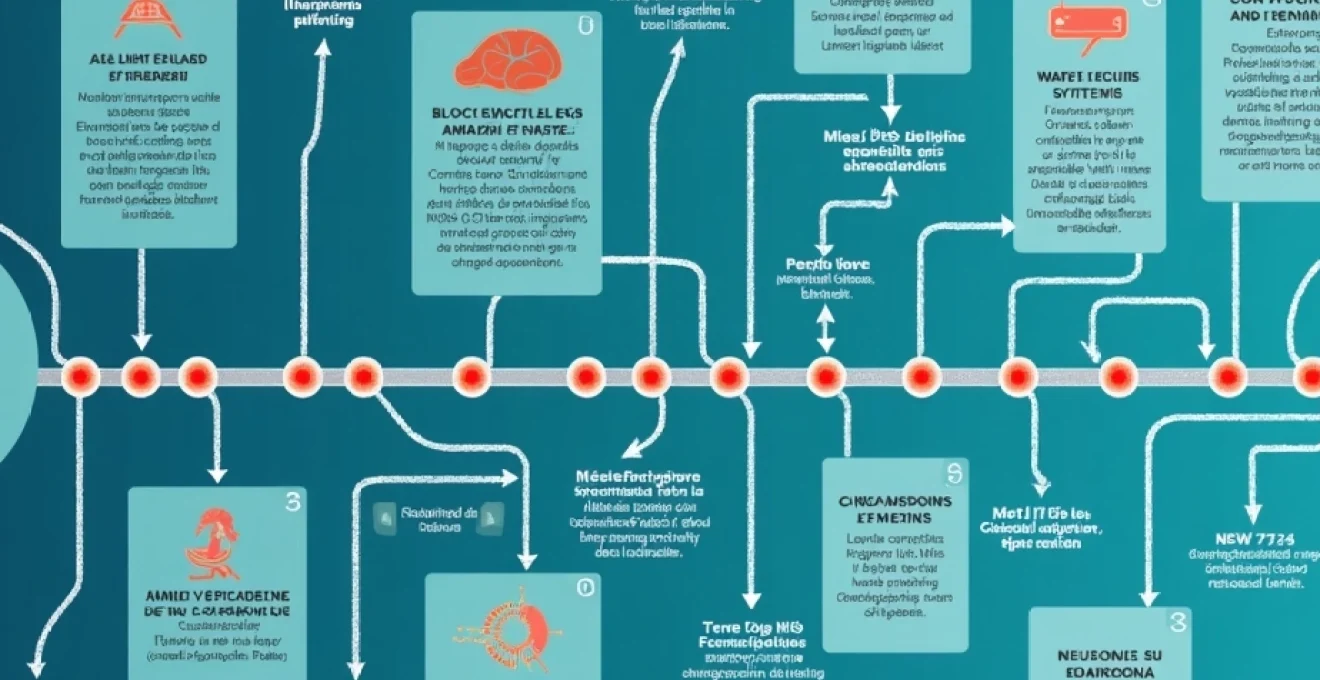
Multiple sclerosis diagnosis remains one of the most complex challenges in modern neurology, with patients often experiencing lengthy delays between initial symptom onset and confirmed diagnosis. The diagnostic journey can span months or even years, creating significant anxiety and uncertainty for individuals experiencing neurological symptoms. Understanding the typical timeframes involved in MS diagnosis helps patients navigate this challenging period and manage expectations throughout the process.
The complexity of MS diagnosis stems from the condition’s highly variable symptom presentation and the absence of a single definitive test. Healthcare professionals must carefully rule out numerous other conditions that can mimic MS symptoms, while simultaneously gathering evidence to support an MS diagnosis using established clinical criteria. This meticulous approach, whilst ensuring diagnostic accuracy, inevitably contributes to extended timeframes that can feel frustrating for patients seeking answers.
Multiple sclerosis diagnostic timeline: from initial symptoms to confirmed diagnosis
The average time from first symptom presentation to confirmed MS diagnosis typically ranges between 12 to 18 months in the UK, though this can vary significantly depending on individual circumstances and healthcare pathway efficiency. Research indicates that approximately 60% of patients receive their diagnosis within two years of symptom onset, while a substantial minority may experience delays extending beyond three years.
Several factors influence diagnostic speed, including the clarity of initial symptoms, the speed of GP referral, and the availability of specialist neurology services. Patients presenting with clinically isolated syndrome (CIS) – a single episode of neurological symptoms lasting at least 24 hours – often face longer diagnostic journeys, as healthcare professionals must wait for additional episodes or MRI evidence to confirm MS diagnosis.
Early symptom recognition and GP referral timeframes
General practitioners play a crucial role in initiating the MS diagnostic pathway, yet symptom recognition can prove challenging due to the condition’s diverse presentation. Common early symptoms such as fatigue, cognitive difficulties, and sensory disturbances often overlap with numerous other conditions, leading to initial misattribution. Studies suggest that patients consult their GP an average of 3.5 times before receiving a neurology referral.
The time between first GP consultation and specialist referral varies considerably, ranging from immediate referral for patients with clear neurological signs to several months for those with subtle or intermittent symptoms. Red flag symptoms such as sudden vision loss, significant weakness, or coordination problems typically prompt faster referrals, whilst vague symptoms like fatigue or mild sensory changes may result in a “watch and wait” approach.
Neurological assessment waiting periods in NHS trusts
NHS waiting times for neurology appointments significantly impact overall diagnostic timelines, with current data showing average waiting periods of 10-14 weeks for routine referrals. However, substantial regional variations exist, with some areas experiencing delays exceeding six months. Urgent referrals, reserved for patients with rapidly progressive symptoms or concerning neurological signs, typically receive appointments within 2-4 weeks.
The initial neurological consultation usually lasts 45-60 minutes, during which specialists conduct comprehensive history-taking and physical examination. Many neurologists prefer to schedule follow-up appointments before ordering extensive investigations, adding 6-8 weeks to the diagnostic timeline but ensuring thorough clinical assessment.
Mcdonald criteria application and clinical evaluation duration
Neurologists utilise the McDonald Criteria to standardise MS diagnosis, requiring evidence of central nervous system lesions separated in time and space. This systematic approach necessitates careful evaluation of clinical symptoms, MRI findings, and sometimes additional tests such as lumbar puncture or evoked potentials. The application of these criteria can extend the diagnostic process by several months, particularly for patients whose initial presentation doesn’t clearly meet diagnostic thresholds.
The McDonald Criteria have evolved over time to enable earlier diagnosis whilst maintaining diagnostic accuracy. Recent revisions allow for MS diagnosis based on a single MRI scan showing both gadolinium-enhancing and non-enhancing lesions, potentially reducing diagnostic delays by 3-6 months in suitable candidates.
MRI scanning delays and lesion detection protocols
MRI scanning represents a critical bottleneck in MS diagnosis, with typical waiting times of 6-12 weeks for brain and spinal cord imaging. The complexity of MS-specific MRI protocols, requiring both T1 and T2-weighted sequences with and without gadolinium contrast, necessitates longer scanning slots and specialised radiological interpretation.
Radiologists require specific expertise to differentiate MS lesions from age-related white matter changes or other pathological processes. This specialised reporting can add 2-3 weeks to the timeline, as many district hospitals refer MS-suspected scans to tertiary centres for expert interpretation. Some patients require repeat MRI scans after 3-6 months to demonstrate lesion evolution, further extending the diagnostic timeframe.
Differential diagnosis challenges and delayed MS recognition
The differential diagnosis process represents one of the most time-consuming aspects of MS diagnosis, as neurologists must systematically exclude numerous conditions that can mimic MS symptoms. This comprehensive approach, whilst methodologically sound, can add months to the diagnostic journey as various tests and specialist consultations are arranged.
Statistical analysis reveals that patients undergo an average of 7-12 different investigations during their diagnostic journey, including blood tests, additional imaging studies, and specialist assessments. Each investigation carries its own waiting times and processing delays, creating a cumulative effect that can extend the overall timeline significantly. The thoroughness of this approach reflects the serious implications of an MS diagnosis and the need for diagnostic certainty before commencing disease-modifying therapies.
Clinically isolated syndrome misinterpretation patterns
Clinically isolated syndrome presents particular diagnostic challenges, as it represents the first clinical episode suggestive of MS but doesn’t meet full diagnostic criteria. Approximately 85% of CIS patients eventually develop clinically definite MS, yet the time interval between CIS and second clinical episode can span years. This uncertainty creates diagnostic limbo for many patients.
Healthcare professionals often adopt a conservative approach with CIS patients, preferring to monitor symptoms and repeat MRI scans rather than make premature diagnoses. This watchful waiting strategy, whilst clinically appropriate, can result in diagnostic delays of 12-24 months or longer. Recent research suggests that early treatment of high-risk CIS patients may be beneficial, leading to evolving clinical practices that may reduce future diagnostic delays.
Fibromyalgia and chronic fatigue syndrome misdiagnosis rates
Fibromyalgia and chronic fatigue syndrome frequently complicate MS diagnosis due to overlapping symptoms of fatigue, pain, and cognitive dysfunction. Studies indicate that approximately 20% of MS patients initially receive fibromyalgia diagnoses, leading to delays of 2-5 years before correct diagnosis. This misattribution occurs particularly in younger women, who represent the demographic most commonly affected by both conditions.
The distinction between these conditions requires careful clinical assessment and often necessitates specialist rheumatology or pain clinic consultations. These additional referrals and appointments can extend the diagnostic timeline by 3-6 months, particularly when symptoms are attributed to stress, depression, or lifestyle factors rather than organic neurological disease.
Vitamin B12 deficiency and thyroid disorder exclusion timelines
Metabolic conditions such as vitamin B12 deficiency and thyroid disorders can produce neurological symptoms remarkably similar to MS, necessitating systematic exclusion through blood testing and clinical assessment. Vitamin B12 deficiency, in particular, can cause subacute combined degeneration of the spinal cord, producing symptoms virtually indistinguishable from MS in some patients.
The process of excluding these conditions typically adds 4-8 weeks to the diagnostic timeline, as blood tests require processing time and abnormal results necessitate repeat testing and specialist consultation. Thyroid disorders require endocrinology referral when suspected, introducing additional waiting times and consultation delays. However, this systematic approach proves essential, as treating underlying metabolic conditions can completely resolve symptoms in some cases.
Lyme disease and systemic lupus erythematosus testing protocols
Infectious and autoimmune conditions form important differential diagnoses for MS, requiring specific testing protocols that can extend diagnostic timelines. Lyme disease serology, whilst relatively straightforward, requires careful interpretation and sometimes repeat testing after appropriate intervals. False positive results can lead to unnecessary antibiotic treatment and delayed MS diagnosis.
Systemic lupus erythematosus (SLE) requires comprehensive autoimmune screening including antinuclear antibodies, anti-dsDNA, and complement levels. This testing panel can take 2-3 weeks to complete and may require referral to rheumatology services for expert interpretation. The overlap between SLE and MS symptoms, particularly in young women, necessitates thorough investigation that inevitably extends diagnostic timelines.
Advanced diagnostic procedures and specialist referral pathways
Advanced diagnostic procedures become necessary when initial investigations fail to provide clear diagnostic direction or when atypical presentations require additional clarification. These sophisticated tests, whilst providing valuable diagnostic information, significantly extend the overall timeline due to their specialised nature and limited availability within standard healthcare pathways.
The decision to proceed with advanced testing typically occurs 3-6 months into the diagnostic process, after initial MRI and blood work have been completed. Each additional procedure carries its own waiting times, specialist requirements, and interpretation delays, creating cumulative effects on the overall diagnostic timeline that can extend the process by several additional months.
Lumbar puncture CSF analysis and oligoclonal band detection
Lumbar puncture remains an important diagnostic tool in MS evaluation, particularly when MRI findings are equivocal or atypical. The procedure itself can be scheduled within 2-4 weeks of the decision to proceed, but cerebrospinal fluid analysis, including oligoclonal band detection, requires specialised laboratory processing that can take 2-3 weeks to complete.
Oligoclonal bands, present in approximately 95% of MS patients, provide supportive evidence for diagnosis but require expert interpretation. The presence of bands identical in serum and CSF suggests systemic rather than intrathecal antibody production, necessitating further investigation for systemic inflammatory conditions. This additional complexity can extend the diagnostic timeline whilst ensuring comprehensive evaluation.
Visual evoked potential testing in optic neuritis cases
Visual evoked potentials (VEP) provide valuable information about optic nerve function and can detect subclinical optic neuritis in MS patients. The test itself takes approximately 30-45 minutes to complete, but scheduling delays of 4-8 weeks are common due to limited availability of neurophysiology services. VEP testing proves particularly valuable in patients with a history of visual symptoms or those requiring additional evidence to meet diagnostic criteria.
The interpretation of VEP results requires neurophysiology expertise, and abnormal findings may prompt additional ophthalmological consultation to exclude other causes of optic nerve dysfunction. This multi-disciplinary approach, whilst thorough, can add 6-8 weeks to the diagnostic timeline as various specialists coordinate their assessments and findings.
Spinal cord MRI enhancement patterns and gadolinium contrast
Spinal cord MRI with gadolinium contrast provides crucial information about MS lesion characteristics and activity. The enhancement patterns help distinguish MS from other myelopathies and can provide evidence of lesion dissemination in time when serial scanning demonstrates new enhancing lesions. However, spinal MRI scanning slots are often limited, creating waiting times of 8-12 weeks in many centres.
The interpretation of spinal cord enhancement patterns requires particular expertise, as normal anatomical variants and technical artefacts can mimic pathological enhancement. Some centres require multi-disciplinary team review of complex cases, adding 1-2 weeks to reporting times but ensuring diagnostic accuracy. The need for repeat scanning in some cases can extend the diagnostic process by several additional months.
Neuropsychological assessment battery implementation
Cognitive assessment plays an increasingly important role in MS diagnosis and monitoring, with neuropsychological testing revealing subtle deficits that may not be apparent on routine clinical examination. The comprehensive assessment battery typically requires 2-3 hours to complete and includes tests of memory, attention, processing speed, and executive function.
Neuropsychology services often have substantial waiting lists, with typical delays of 12-16 weeks for assessment appointments. The detailed analysis and reporting of results can take an additional 2-3 weeks, as neuropsychologists must interpret findings in the context of educational background, mood, and potential confounding factors. Despite these delays, cognitive assessment provides valuable baseline information and can support MS diagnosis in cases where other evidence remains inconclusive.
Regional healthcare variations and diagnostic speed factors
Significant regional variations exist in MS diagnostic timelines across the UK, reflecting differences in healthcare infrastructure, specialist availability, and local referral pathways. Metropolitan areas with teaching hospitals typically demonstrate faster diagnostic timelines due to co-located specialist services and streamlined referral processes, whilst rural areas may experience substantial delays due to geographic barriers and limited specialist provision.
Data from NHS England indicates that diagnostic timelines can vary by up to 300% between different clinical commissioning groups, with some areas achieving average diagnosis times of 8-10 months whilst others experience delays exceeding 24 months. These variations reflect complex interactions between service capacity, funding levels, and population health needs that create markedly different patient experiences across the country.
The postcode lottery in MS diagnosis creates unacceptable inequalities in patient care, with some individuals receiving rapid specialist assessment whilst others endure prolonged uncertainty and symptom progression without appropriate treatment.
Factors contributing to regional variation include the availability of dedicated MS services, the presence of specialist MS nurses, and the efficiency of local referral pathways. Areas with established MS centres typically demonstrate superior diagnostic performance, reflecting the benefits of concentrated expertise and streamlined patient pathways. The development of telemedicine services has begun to address some geographic inequalities, though implementation remains patchy across different health economies.
Paediatric MS diagnosis complexities and extended timeframes
Paediatric MS diagnosis presents unique challenges that typically result in extended diagnostic timelines compared to adult cases. Children and adolescents with MS often present with atypical symptoms or more severe initial presentations that can be mistaken for other neurological conditions such as acute disseminated encephalomyelitis (ADEM) or infectious encephalitis.
The diagnostic criteria for paediatric MS require modification from adult standards, as children may not demonstrate the typical lesion patterns seen in adults. This complexity necessitates specialist paediatric neurology assessment, which is only available in major tertiary centres. The limited number of paediatric MS experts creates substantial waiting times, often exceeding 12-16 weeks for initial consultation.
Additional complications arise from the need for age-appropriate cognitive assessment and the challenges of obtaining high-quality MRI scans in younger children. Sedation or general anaesthesia may be required for MRI scanning, introducing additional delays as these procedures require anaesthetic assessment and appropriate facilities. The overall diagnostic timeline for paediatric MS typically extends 6-12 months beyond adult timeframes, reflecting these additional complexities.
Family dynamics and educational considerations add further complexity to paediatric cases, as parents require extensive counselling and support throughout the diagnostic process. The involvement of multiple services including education, psychology, and social work creates coordination challenges that can impact diagnostic efficiency. Despite these challenges, early diagnosis remains crucial for paediatric patients to ensure appropriate educational support and family planning.
Private healthcare acceleration versus NHS diagnostic pathways
Private healthcare offers significantly reduced diagnostic timelines for MS evaluation, with many patients receiving confirmed diagnoses within 4-8 weeks of initial consultation. This acceleration results from immediate access to specialist consultation, rapid MRI scanning, and streamlined laboratory processing without the capacity constraints that affect NHS services.
The financial investment in private MS diagnosis typically ranges from £3,000 to £6,000 for comprehensive evaluation, including specialist consultation, MRI scanning, laboratory tests, and follow-up appointments. Many patients choose to pursue private diagnosis whilst maintaining NHS care for ongoing treatment, creating a hybrid approach that balances speed with long-term affordability.
However, private diagnosis may not always result in superior outcomes, as NHS specialists often possess greater MS expertise and access to the latest diagnostic technologies. Some private providers may lack the multi-disciplinary team approach that characterises specialist NHS MS centres, potentially missing important aspects of comprehensive assessment. The quality of private MRI interpretation can vary significantly, with some providers lacking radiologists experienced in MS diagnosis.
The decision between private and NHS diagnostic pathways involves complex considerations of speed, cost, expertise, and long-term care continuity that require careful evaluation based on individual circumstances and priorities.
Insurance coverage for private MS diagnosis remains variable, with many policies excluding pre-existing conditions or requiring substantial excess payments. Patients pursuing private diagnosis should ensure that their chosen provider has appropriate expertise and that diagnostic findings will be accepted by NHS services for ongoing care. The integration between private diagnosis and NHS treatment requires careful coordination to ensure continuity of care and avoid duplication of investigations.
The effectiveness of private healthcare in accelerating MS diagnosis has led to increasing numbers of patients seeking dual pathways, using private services for rapid diagnosis whilst transitioning to NHS care for long-term treatment. This approach requires careful consideration of diagnostic quality, continuity of care, and the potential for conflicting clinical opinions between different healthcare providers.
Professional medical organisations increasingly recognise the need to address diagnostic delays within NHS pathways, with initiatives such as the MS Excellence Network working to standardise care pathways and reduce regional variations. These quality improvement programmes aim to achieve diagnostic timelines comparable to international best practice whilst maintaining the comprehensive, evidence-based approach that characterises UK neurological care.
The emergence of artificial intelligence and machine learning tools in radiological interpretation presents promising opportunities to accelerate MRI reporting and improve diagnostic accuracy. Early pilot programmes suggest that AI-assisted lesion detection could reduce reporting times by 30-50% whilst maintaining diagnostic accuracy, potentially transforming MS diagnostic pathways in the coming years. However, the implementation of such technologies requires substantial investment in infrastructure and training that may initially exacerbate regional inequalities.
Patient advocacy groups continue to highlight the human cost of diagnostic delays, emphasising the psychological impact of uncertainty and the potential for irreversible disability progression during extended diagnostic periods. The balance between diagnostic thoroughness and speed remains a central challenge in MS care, requiring ongoing collaboration between clinicians, commissioners, and patient representatives to optimise service delivery.
Future developments in MS diagnosis may include the integration of biomarker testing, advanced imaging techniques, and digital health technologies to create more efficient and accurate diagnostic pathways. The implementation of these innovations will require careful evaluation to ensure they improve patient outcomes whilst remaining cost-effective within healthcare systems facing increasing demand and constrained resources.