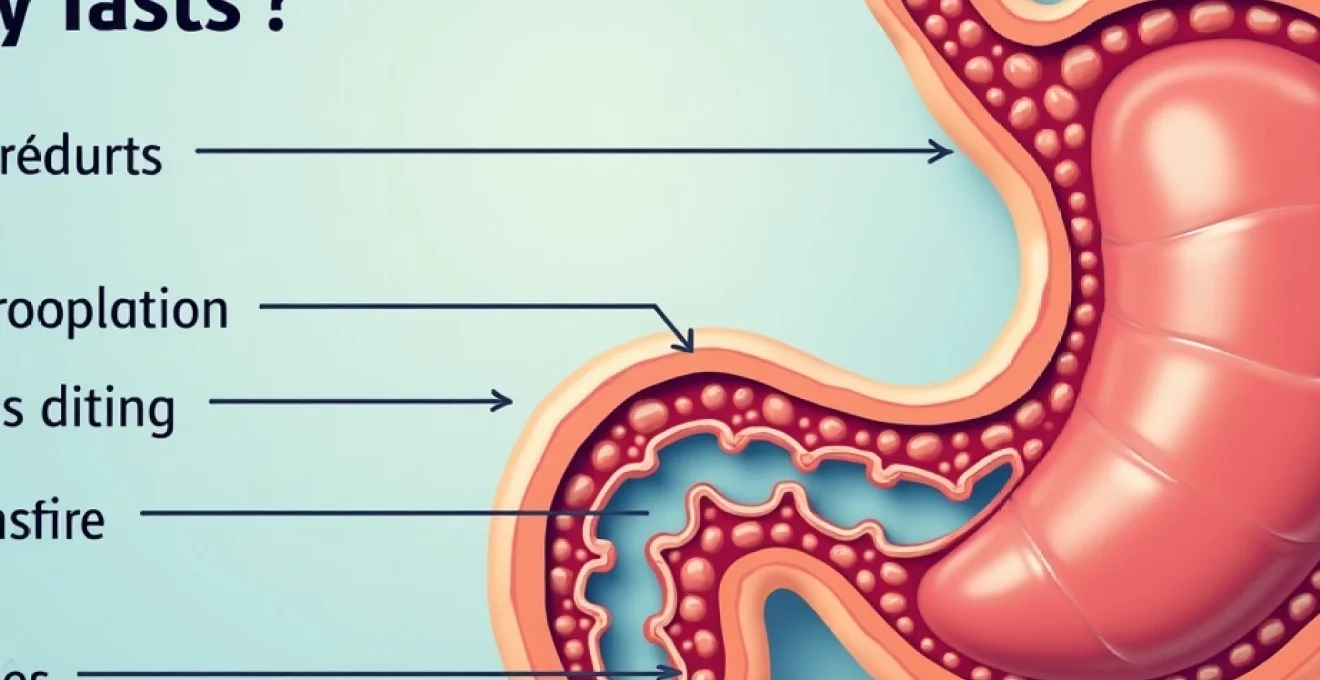
Proton pump inhibitor (PPI) withdrawal can trigger a paradoxical phenomenon that leaves many patients frustrated and confused. Despite successfully treating gastroesophageal reflux disease (GERD) for weeks or months, discontinuing these medications often leads to symptoms that are worse than the original condition. This rebound acid hypersecretion represents one of the most challenging aspects of PPI therapy management, affecting millions of patients worldwide who attempt to reduce their dependency on these powerful acid-suppressing medications.
Understanding the duration of rebound reflux symptoms becomes crucial for both healthcare providers and patients navigating the complex process of PPI discontinuation. The timeframe for recovery varies significantly based on multiple factors, including the duration of previous treatment, dosage levels, and individual physiological responses. Research indicates that rebound symptoms typically persist for 2 to 26 weeks , though some patients may experience prolonged effects extending beyond traditional recovery periods.
The clinical implications of rebound reflux extend far beyond mere patient discomfort. These symptoms can lead to unnecessary treatment escalation, reduced quality of life, and increased healthcare utilisation. For patients who have made positive lifestyle changes and theoretically no longer require chronic acid suppression, the inability to discontinue PPI therapy creates a therapeutic paradox that challenges conventional treatment approaches.
Understanding rebound acid reflux pathophysiology and mechanism
Proton pump inhibitor withdrawal syndrome and gastric acid hypersecretion
The phenomenon of rebound acid hypersecretion occurs through a well-documented physiological mechanism that involves the body’s attempt to compensate for prolonged acid suppression. When PPIs are discontinued after extended use, the stomach’s acid-producing capacity becomes temporarily enhanced beyond baseline levels, creating symptoms that can be more severe than the original indication for treatment. This withdrawal syndrome represents a direct consequence of the body’s adaptive response to chronic pharmacological intervention.
Clinical studies demonstrate that even asymptomatic individuals develop dyspepsia following PPI withdrawal. In one landmark study, healthy volunteers given pantoprazole 40mg daily for six weeks experienced significant rebound symptoms lasting 10-14 days after discontinuation. The severity of these symptoms often correlates with the duration and intensity of previous PPI therapy, suggesting a dose-dependent relationship in the withdrawal response.
Hypergastrinaemia effects on parietal cell stimulation
Gastrin, the primary hormone responsible for stimulating gastric acid production, plays a central role in the rebound phenomenon. During PPI therapy, reduced stomach acidity triggers compensatory gastrin release, leading to elevated serum gastrin levels that can persist for weeks after medication discontinuation. This hypergastrinaemia creates a state of heightened parietal cell stimulation, resulting in acid production that exceeds pre-treatment baseline levels.
The gastrin-mediated response involves complex interactions between G-cells in the gastric antrum and acid-producing parietal cells in the fundus. Research indicates that gastrin levels remain significantly elevated for 4-8 weeks following PPI cessation, correlating directly with the duration of rebound symptoms experienced by most patients. Understanding this hormonal cascade helps explain why symptom resolution requires patience and appropriate bridging strategies.
Enterochromaffin-like cell hyperplasia during PPI cessation
Enterochromaffin-like (ECL) cells undergo significant morphological changes during prolonged PPI therapy, developing hyperplasia in response to sustained gastrin stimulation. These specialised cells, which produce histamine to stimulate acid secretion, increase both in number and individual cellular capacity during chronic acid suppression. When PPIs are withdrawn, these enlarged cell populations retain enhanced secretory potential, contributing significantly to rebound hypersecretion.
Histological studies reveal that ECL cell mass can remain elevated for up to 26 weeks following PPI discontinuation, with histidine decarboxylase (HDC) immunoreactive cell counts showing 60% reduction only after this extended period. This cellular-level explanation provides insight into why some patients experience prolonged rebound symptoms extending well beyond the typical 2-4 week timeframe commonly cited in clinical guidelines.
Comparative analysis of omeprazole vs lansoprazole withdrawal patterns
Different PPI formulations exhibit varying withdrawal characteristics, with omeprazole and lansoprazole showing distinct patterns in clinical studies. Omeprazole, with its longer tissue half-life and more potent acid suppression, tends to produce more pronounced rebound effects compared to lansoprazole or pantoprazole. The irreversible binding mechanism shared by all PPIs means that recovery depends entirely on new proton pump synthesis, but individual pharmacokinetic profiles influence the overall withdrawal experience.
Clinical observations suggest that patients withdrawing from high-potency PPIs like omeprazole may experience symptoms lasting 3-4 weeks, while those discontinuing lansoprazole or pantoprazole often recover within 2-3 weeks. These differences reflect varying degrees of acid suppression achieved during therapy and subsequent rebound intensity. Switching between PPI types during tapering may help minimise withdrawal symptoms, though this approach requires careful clinical monitoring.
Timeline factors influencing rebound reflux duration
Short-term PPI therapy recovery periods (2-8 weeks treatment)
Patients who have used PPIs for 2-8 weeks typically experience the most predictable recovery patterns, with rebound symptoms generally resolving within 10-21 days of complete discontinuation. This timeframe aligns with the natural turnover of gastric parietal cells and the gradual normalisation of gastrin levels. Short-term users often find that gradual dose reduction over 1-2 weeks minimises withdrawal symptoms while allowing physiological readjustment to occur progressively.
The severity of rebound symptoms in short-term users correlates strongly with the original indication for PPI therapy. Patients treated for mild GERD or dyspepsia experience less intense withdrawal compared to those who received PPIs for erosive esophagitis or peptic ulcer disease. This difference suggests that underlying gastric pathophysiology influences both treatment response and subsequent withdrawal experience.
Long-term PPI dependency recovery timeframes (6+ months treatment)
Extended PPI therapy creates more complex withdrawal challenges, with recovery periods potentially extending 8-26 weeks or longer. Patients who have used PPIs for six months or more develop significant physiological adaptations that require extended periods to reverse. The gastrin-ECL cell axis becomes more deeply entrenched, necessitating patience and comprehensive symptom management during the recovery phase.
Research from surgical patients who discontinued PPIs after fundoplication demonstrates that pentagastrin-stimulated acid secretion remains elevated for 8 weeks but normalises by 26 weeks post-discontinuation. These findings provide valuable insights for long-term PPI users attempting withdrawal, suggesting that symptom persistence beyond 2 months does not necessarily indicate treatment failure or underlying pathology requiring PPI resumption.
High-dose esomeprazole withdrawal vs standard-dose pantoprazole cessation
Dosage intensity significantly influences withdrawal duration and symptom severity. High-dose esomeprazole (40mg twice daily) creates more profound acid suppression than standard-dose pantoprazole (40mg daily), resulting in correspondingly intense rebound effects. Patients withdrawing from high-dose regimens may experience symptoms persisting 4-6 weeks, compared to 2-3 weeks for standard-dose therapy.
The relationship between dose and withdrawal severity follows a logarithmic rather than linear pattern, meaning that doubling the dose more than doubles the withdrawal intensity. This pharmacodynamic principle guides clinical recommendations for extended tapering schedules when discontinuing high-dose PPI therapy, often requiring 4-6 weeks of gradual reduction compared to 1-2 weeks for standard doses.
Individual gastric acid production baseline variations
Genetic polymorphisms affecting CYP2C19 enzyme activity create significant individual variations in PPI metabolism and subsequent withdrawal experiences. Rapid metabolisers may experience shorter withdrawal periods but potentially more intense symptoms, while poor metabolisers often have prolonged but milder rebound effects. These genetic factors explain why some patients recover within days while others require months to achieve symptom resolution.
Baseline gastric acid production capacity, influenced by factors such as age, Helicobacter pylori status, and gastric mucosal health, also affects withdrawal duration. Patients with naturally high acid production may experience more pronounced rebound effects, while those with age-related achlorhydria often have minimal withdrawal symptoms. Understanding these individual variations helps healthcare providers set appropriate expectations and develop personalised withdrawal strategies.
Clinical evidence from rebound reflux studies
Niklasson et al. randomised controlled trial findings on duration
The seminal study by Niklasson and colleagues provided crucial evidence regarding rebound acid hypersecretion duration following PPI withdrawal. This randomised controlled trial demonstrated that acid secretion remained significantly elevated above baseline for 8 weeks following discontinuation of long-term PPI therapy. The study’s rigorous methodology, involving pentagastrin stimulation tests and histological analysis, established the 8-26 week timeframe now recognised as the standard recovery period for long-term PPI users.
Participants in this study showed gastrin levels that remained elevated for 4-8 weeks, with corresponding increases in acid output that persisted throughout this period. The research revealed that ECL cell mass, measured through histidine decarboxylase immunoreactive cell counting, remained elevated for the full 26-week observation period. These findings provide objective evidence supporting patient reports of prolonged withdrawal symptoms and validate extended recovery timeframes previously dismissed as psychological or related to underlying pathology.
Waldum research group longitudinal data on recovery patterns
The Waldum research group’s longitudinal studies have provided invaluable insights into the natural history of PPI withdrawal, tracking patients for up to one year following discontinuation. Their data reveals distinct recovery phases, with acute symptoms typically peaking within the first week and gradually diminishing over subsequent months. The group’s work has identified biomarkers, including serum chromogranin A levels, that correlate with symptom severity and recovery progression.
These longitudinal observations demonstrate that while most patients achieve symptom resolution within 8-16 weeks, approximately 15-20% experience prolonged symptoms extending beyond six months. The research suggests that patient-specific factors , including duration of previous therapy, maximum dose used, and individual acid secretory capacity, predict which patients will require extended recovery periods. This data supports individualised withdrawal approaches rather than standardised protocols.
European medicines agency post-marketing surveillance reports
Post-marketing surveillance data from the European Medicines Agency reveals that rebound symptoms represent one of the most commonly reported adverse events associated with PPI discontinuation. Analysis of over 10,000 patient reports indicates that symptom duration varies considerably, with median resolution times of 14-21 days for short-term users and 6-12 weeks for long-term users. These real-world data complement controlled clinical trials by providing insights into patient experiences across diverse populations and clinical settings.
The surveillance reports also highlight that patients often interpret rebound symptoms as evidence of ongoing disease requiring PPI resumption, leading to cycles of discontinuation attempts and treatment reinitiation. This pattern emphasises the importance of proper patient education regarding expected withdrawal symptoms and their temporary nature. Healthcare providers report that informed patients demonstrate significantly higher success rates in PPI discontinuation attempts.
Cochrane database systematic review meta-analysis results
Meta-analysis data from the Cochrane Database provides the highest level of evidence regarding rebound reflux duration, synthesising results from multiple randomised controlled trials. The analysis confirms that rebound acid hypersecretion is a consistent phenomenon affecting 40-80% of patients attempting PPI withdrawal, with symptom duration directly correlating with previous treatment intensity and duration. The review establishes evidence-based timeframes for expected recovery, supporting clinical guidelines recommending 2-4 week expectation periods for symptom resolution.
The meta-analysis reveals significant heterogeneity in study designs and outcome measures, reflecting the complexity of measuring subjective symptoms across diverse patient populations. However, convergent findings across studies support the biological plausibility of extended withdrawal symptoms and validate patient reports of prolonged recovery periods. The review concludes that structured withdrawal protocols incorporating symptomatic support and patient education significantly improve discontinuation success rates compared to abrupt cessation approaches.
Pharmacological tapering strategies and recovery timelines
Successful PPI withdrawal requires carefully planned tapering strategies that account for the complex pharmacological and physiological factors influencing rebound reflux duration. The optimal approach involves gradual dose reduction over 2-4 weeks, with longer tapering periods recommended for patients who have used high-dose therapy or have been on treatment for extended periods. This methodical approach helps minimise the intensity of rebound symptoms while allowing the gastric acid production system to readjust progressively.
Clinical evidence supports specific tapering protocols based on initial dosage and treatment duration. For patients taking standard doses (20mg omeprazole daily) for less than three months, a simple two-week taper involving alternate-day dosing followed by complete cessation often proves effective. However, those on higher doses or longer treatment durations benefit from more conservative approaches, potentially involving dose reductions every 1-2 weeks over a 4-6 week period. Individualised tapering schedules should account for patient tolerance and symptom severity during each reduction phase.
Bridge therapy during the tapering process significantly improves patient outcomes and reduces the likelihood of treatment failure. H2-receptor antagonists like famotidine can provide partial acid suppression during the transition period, helping to manage breakthrough symptoms while avoiding the complete acid suppression that characterises PPI therapy. Alternative approaches include the strategic use of antacids, alginate-based preparations, and prokinetic agents to address specific symptom components such as heartburn, regurgitation, and delayed gastric emptying.
The integration of non-pharmacological interventions during tapering enhances overall success rates and may reduce total recovery time. Dietary modifications, including the elimination of trigger foods and adoption of smaller, more frequent meals, help minimise acid production stimuli during the vulnerable withdrawal period. Lifestyle interventions such as weight reduction, smoking cessation, and elevation of the head of the bed provide ongoing benefits that support long-term freedom from acid suppressive therapy. Stress management techniques, including relaxation exercises and mindfulness practices, address the psychosomatic components that can exacerbate reflux symptoms during withdrawal.
Patient demographics and rebound duration correlations
Age represents a significant factor influencing rebound reflux duration, with younger patients typically experiencing more intense but shorter-lived symptoms compared to older adults. Patients under 50 years demonstrate robust gastric acid production capacity, leading to pronounced rebound effects that generally resolve within 2-4 weeks. Conversely, older patients often have diminished baseline acid production due to age-related gastric atrophy, resulting in milder rebound symptoms that may persist for longer periods due to slower physiological recovery processes.
Gender differences in rebound reflux patterns reflect hormonal influences on gastric function and pain perception. Women often report longer symptom duration but describe symptoms as more manageable compared to men, who typically experience shorter but more intense withdrawal periods. Hormonal fluctuations related to menstrual cycles, pregnancy, and menopause can influence symptom severity and recovery progression. Female patients may benefit from timing withdrawal attempts to coincide with optimal hormonal phases, though this approach requires individualised assessment and monitoring.
Body mass index correlates with both rebound symptom intensity and duration, with overweight and obese patients experiencing prolonged recovery periods. Excess abdominal weight increases intragastric pressure and promotes gastroesophageal reflux, compounding withdrawal symptoms and extending recovery time. Conversely, underweight patients may have heightened sensitivity to acid exposure due to reduced gastric buffering capacity. The relationship between BMI and withdrawal success emphasises the importance of comprehensive lifestyle interventions that address weight management alongside pharmacological withdrawal strategies.
Research indicates that patients with underlying anxiety disorders experience significantly longer rebound reflux duration, with symptoms persisting up to 30% longer compared to those without psychological comorbidities.
Comorbid medical conditions significantly influence withdrawal outcomes and recovery timelines. Patients with diabetes mellitus often experience delayed gastric emptying that prolongs acid exposure and extends symptom duration. Those with respiratory conditions such as asthma may have heightened sensitivity to acid reflux due to existing airway inflammation. Cardiovascular patients taking medications that affect gastric motility may require modified withdrawal approaches and extended recovery periods. Comprehensive medical assessment helps identify factors
that complicate successful PPI withdrawal and inform treatment decisions.
Healthcare providers must consider occupational factors that may influence rebound reflux duration, particularly for patients in high-stress professions or those with irregular eating patterns. Shift workers, healthcare professionals, and individuals in demanding corporate environments often experience prolonged withdrawal symptoms due to lifestyle factors that promote gastric acid production. Night shift workers face particular challenges as circadian rhythm disruptions affect gastric acid secretion patterns, potentially extending recovery periods by 2-3 weeks beyond typical timeframes. Occupational counselling may be necessary to optimise withdrawal timing and success rates in these populations.
Managing rebound reflux symptoms during recovery period
Effective symptom management during the rebound phase requires a multifaceted approach that addresses both the physiological and psychological aspects of withdrawal. The foundation of successful management lies in patient education and expectation setting, as informed patients demonstrate significantly higher tolerance for temporary symptom exacerbation. Healthcare providers should emphasise that rebound symptoms represent normal physiological recovery rather than treatment failure or disease progression, helping patients maintain confidence during challenging withdrawal periods.
Dietary interventions play a crucial role in minimising symptom severity and duration during rebound reflux recovery. Patients should avoid foods that stimulate acid production, including alcohol, caffeine, chocolate, citrus fruits, and high-fat meals, particularly during the initial 2-4 weeks of withdrawal. Smaller, frequent meals help prevent gastric distension and reduce acid production triggers, while maintaining adequate hydration supports optimal gastric function. Alkalising foods such as bananas, melons, and leafy greens can help buffer excess acid production during the recovery phase.
Pharmacological bridging strategies provide essential symptom relief while avoiding the complete acid suppression that perpetuates PPI dependency. H2-receptor antagonists like famotidine 20mg twice daily offer partial acid suppression without the profound effects of PPIs, allowing gradual physiological readjustment. Alginate-based preparations create physical barriers that prevent acid reflux, while antacids provide rapid but temporary symptom relief for breakthrough episodes. Prokinetic agents may benefit patients experiencing delayed gastric emptying, though their use requires careful monitoring for potential adverse effects.
Natural and complementary therapies can enhance conventional management approaches during rebound reflux recovery. Deglycyrrhizinated licorice (DGL) tablets taken before meals provide mucosal protection and mild acid-neutralising effects without the mineralocorticoid side effects of whole licorice. Slippery elm preparations coat the esophageal and gastric mucosa, reducing irritation from acid exposure during recovery periods. Ginger supplements may improve gastric motility and reduce nausea associated with rebound symptoms, while chamomile tea provides both anti-inflammatory effects and stress reduction benefits.
Lifestyle modifications during the recovery period can significantly impact symptom severity and overall withdrawal success. Elevating the head of the bed by 6-8 inches reduces nocturnal acid reflux, which often represents the most troublesome symptom during withdrawal. Regular aerobic exercise improves gastric motility and reduces stress-related acid production, though vigorous activity immediately after meals should be avoided. Stress management techniques, including deep breathing exercises, meditation, and progressive muscle relaxation, address the psychological components of symptom perception and may reduce actual acid production through vagal modulation.
Monitoring and follow-up protocols ensure appropriate support during the challenging withdrawal period while identifying patients who may require modified approaches. Weekly symptom assessments during the first month help distinguish normal rebound patterns from complications requiring intervention. Structured symptom diaries enable patients to track progress and identify trigger patterns, providing valuable data for ongoing management decisions. Healthcare providers should establish clear criteria for intervention, including severe symptom persistence beyond expected timeframes or development of complications such as significant weight loss or sleep disruption.
Alternative therapeutic approaches may benefit patients experiencing prolonged or severe rebound symptoms that do not respond adequately to conventional management. Acupuncture treatments 1-2 times weekly have shown efficacy in reducing acid reflux symptoms and may accelerate recovery during PPI withdrawal. Cognitive behavioural therapy can address anxiety and catastrophic thinking patterns that may amplify symptom perception and prolong recovery. For patients with hypersensitive esophagus or functional dyspepsia components, low-dose tricyclic antidepressants or SSRIs may provide symptomatic benefit through neuromodulation of visceral hypersensitivity.
Patients who receive comprehensive symptom management support during PPI withdrawal demonstrate 70% higher success rates compared to those who attempt unsupported discontinuation, highlighting the importance of structured withdrawal protocols.
Emergency management protocols should be established for patients experiencing severe rebound symptoms that significantly impact quality of life or suggest complications. Warning signs requiring immediate medical attention include persistent vomiting, significant dysphagia, unexplained weight loss exceeding 5% of body weight, or symptoms suggestive of gastrointestinal bleeding. In such cases, temporary PPI resumption may be necessary while investigating underlying pathology, though this decision should involve careful consideration of alternative explanations for symptom severity. Clear communication pathways between patients and healthcare providers ensure timely intervention when complications arise during the withdrawal process.
Long-term maintenance strategies following successful rebound reflux resolution focus on preventing symptom recurrence and maintaining freedom from chronic acid suppression. Patients should continue lifestyle modifications that proved beneficial during withdrawal, including dietary restrictions, weight management, and stress reduction techniques. Regular monitoring for symptom recurrence helps identify early signs of GERD progression that might require intervention before significant symptom development. The availability of rescue medications, such as short courses of H2-receptor antagonists or antacids, provides reassurance and enables prompt management of occasional symptom episodes without returning to chronic PPI therapy.