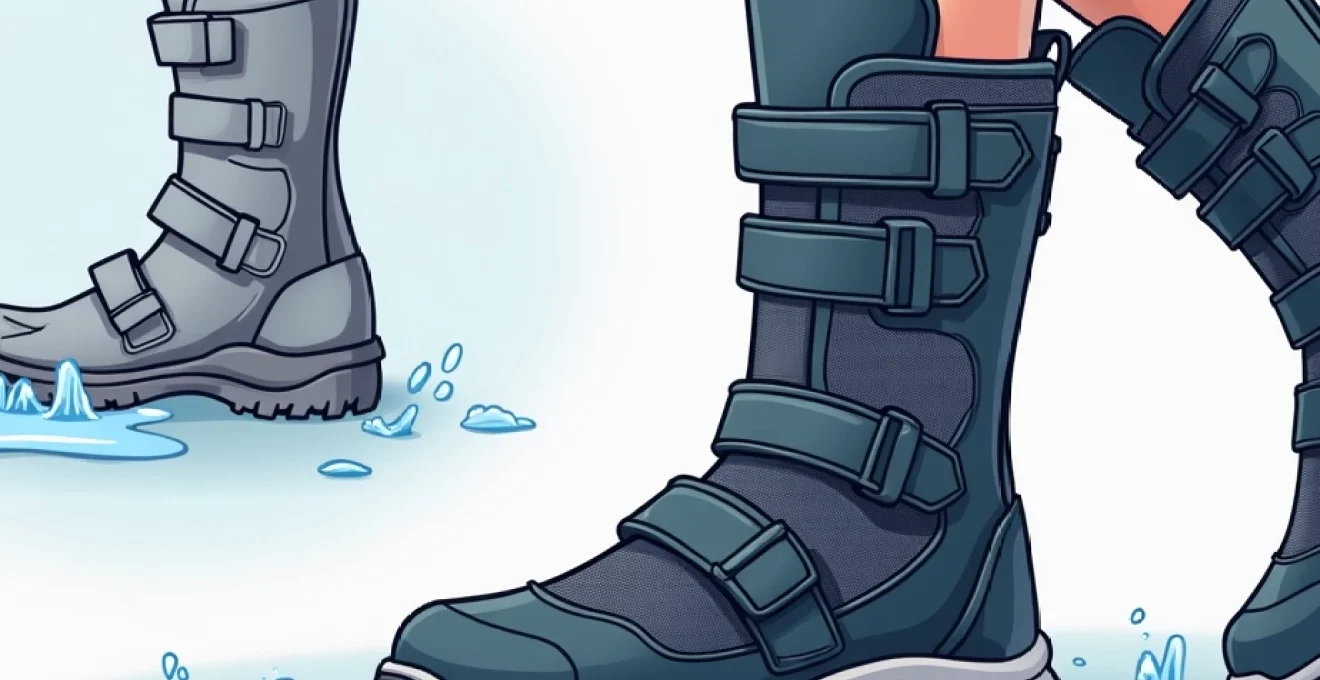
Medical walking boots, also known as CAM walker boots or fracture boots, represent a critical component in orthopaedic rehabilitation and injury recovery. These specialised devices require meticulous maintenance to ensure optimal hygiene, functionality, and patient safety throughout the healing process. Unlike traditional hiking footwear, medical walking boots feature complex pneumatic systems, removable components, and antimicrobial requirements that demand a systematic approach to cleaning and sanitisation.
The importance of proper walking boot maintenance extends beyond basic cleanliness. Research indicates that approximately 15% of walking boot-related complications stem from inadequate hygiene practices, leading to skin infections, material degradation, and compromised therapeutic outcomes. Healthcare professionals increasingly recognise that systematic cleaning protocols directly correlate with improved patient compliance and reduced recovery times. Furthermore, the average medical walking boot costs between £150-400, making proper maintenance a sound financial investment for both healthcare facilities and individual patients.
Essential Pre-Cleaning assessment of medical walking boot components
Before initiating any cleaning procedure, conducting a thorough assessment of your walking boot’s construction and current condition proves essential for developing an appropriate sanitisation strategy. Medical walking boots typically incorporate multiple materials including polypropylene shells, memory foam liners, nylon strapping systems, and pneumatic air chambers. Each component requires specific cleaning approaches to maintain structural integrity and therapeutic effectiveness.
The assessment process should begin with documenting any visible damage, wear patterns, or areas of particular contamination. This initial evaluation helps determine whether certain components require replacement rather than cleaning, potentially saving time and ensuring optimal patient safety. Additionally, understanding your boot’s specific manufacturer specifications becomes crucial, as cleaning protocols may vary significantly between different models and brands.
Identifying velcro strapping systems and fabric materials
Velcro strapping systems represent one of the most challenging components to clean effectively due to their tendency to accumulate debris, skin cells, and moisture. Medical-grade velcro differs from standard consumer versions, featuring enhanced durability and antimicrobial properties that require preservation during cleaning. Examine each strap for embedded particles, fraying edges, or reduced adhesive capacity that might indicate replacement necessity.
When assessing fabric materials, distinguish between synthetic mesh panels, moisture-wicking textiles, and protective padding covers. Many modern walking boots incorporate antimicrobial fabric treatments that can be compromised by harsh cleaning agents or excessive heat exposure. Document the location and condition of each fabric component to ensure appropriate cleaning solution selection and technique application.
Inspecting pneumatic air bladder chambers for damage
Pneumatic air bladders form the cornerstone of modern walking boot functionality, providing customisable compression and support throughout the healing process. These components require careful inspection for micro-punctures, valve deterioration, or pump mechanism malfunctions that could compromise their effectiveness. Small leaks often manifest as gradual pressure loss rather than immediate deflation, making thorough testing essential.
Begin your inspection by inflating each chamber to manufacturer-recommended pressure levels and monitoring for pressure retention over a 10-minute period. Any pressure loss exceeding 10% during this timeframe suggests potential damage requiring professional assessment. Additionally, examine valve seals and connection points for debris accumulation or rubber deterioration that might affect air-tight integrity.
Evaluating removable liner and cushioning elements
Removable liners and cushioning elements often harbour the highest concentrations of bacteria, fungi, and odour-causing compounds due to their direct contact with skin and moisture exposure. These components typically feature memory foam, gel inserts, or specialised cushioning materials that require gentle yet thorough sanitisation approaches. Assessment should focus on identifying areas of permanent staining, structural deterioration, or persistent odours that might indicate replacement necessity.
Memory foam components present particular challenges due to their porous structure and susceptibility to damage from excessive moisture or heat. Examine these elements for compression loss, surface cracking, or texture changes that might compromise their therapeutic benefits. Proper evaluation techniques include gentle compression testing and visual inspection under adequate lighting to identify subtle degradation patterns.
Checking rocker bottom sole integrity and wear patterns
The rocker bottom sole design facilitates natural gait patterns while protecting injured lower extremities during ambulation. These specialised soles incorporate specific curvature profiles and tread patterns engineered for optimal stability and mobility. Assessment should focus on identifying excessive wear patterns, material degradation, or structural damage that might compromise safety or therapeutic effectiveness.
Examine the sole surface for uneven wear patterns that might indicate gait abnormalities or improper fitting. Such patterns often manifest as excessive heel wear, lateral edge degradation, or localised tread loss in specific areas. Document these findings as they may require consultation with healthcare providers to ensure optimal therapeutic outcomes and prevent further injury.
Systematic disassembly protocol for comprehensive sanitisation
Effective walking boot sanitisation requires complete disassembly of removable components to ensure thorough cleaning access to all surfaces and crevices. This systematic approach prevents cross-contamination between components and allows for targeted cleaning techniques optimised for each material type. The disassembly process should follow manufacturer specifications to avoid damage to delicate mechanisms or voiding warranty coverage.
Document the original configuration through photographs or detailed notes to facilitate proper reassembly after cleaning completion. This documentation proves particularly valuable for complex pneumatic systems or adjustable components that require specific positioning for optimal functionality. Additionally, organising removed components in a logical sequence streamlines the cleaning process and reduces the likelihood of misplaced parts.
Proper removal sequence for CAM walker boot straps
CAM walker boot straps incorporate sophisticated tensioning mechanisms and adjustment systems that require careful handling during removal. Begin with the uppermost straps and work systematically downward to prevent structural stress on remaining attachment points. Each strap should be completely loosened before removal to avoid excessive force application that might damage mounting hardware or fabric anchoring points.
Some advanced walking boot models feature quick-release mechanisms or specialised buckle systems that require specific manipulation techniques. Familiarise yourself with these systems before initiating removal to prevent accidental damage or component separation. Store removed straps in a clean, organised manner to facilitate thorough cleaning and proper reassembly sequence identification.
Safe extraction of memory foam insoles and padding
Memory foam insoles and padding elements require gentle extraction techniques to prevent structural damage or permanent deformation. These materials typically feature adhesive backing or mechanical retention systems that secure them within the boot shell. Begin extraction at one corner and work systematically around the perimeter, applying consistent gentle pressure to separate adhesive bonds gradually.
Avoid pulling or twisting motions that might tear delicate foam structures or damage surface textures. If significant resistance occurs during extraction, investigate potential mechanical retention points or adhesive areas requiring additional attention. Some memory foam components feature protective coverings that can be removed separately for more thorough cleaning access.
Detaching air pump mechanisms and valve systems
Air pump mechanisms and valve systems represent the most technically complex components requiring careful handling during disassembly. These systems often incorporate multiple sealing surfaces, spring-loaded mechanisms, and precision-engineered components that can be damaged by improper handling. Consult manufacturer documentation for specific disassembly procedures and component identification.
Pneumatic systems typically feature threaded connections or bayonet-style couplings that require specific rotation patterns for safe disconnection. Apply gentle counterclockwise pressure while supporting connected components to prevent stress loading on delicate valve stems or pump mechanisms. Document the original connection orientation to ensure proper reassembly and air-tight seal restoration.
Medical-grade cleaning solutions and equipment selection
Selecting appropriate cleaning solutions and equipment for medical walking boots requires careful consideration of material compatibility, antimicrobial effectiveness, and regulatory compliance. Medical-grade cleaning products must demonstrate efficacy against a broad spectrum of pathogens while maintaining compatibility with diverse materials including plastics, fabrics, and foam components. The selection process should prioritise solutions that meet healthcare industry standards for biocompatibility and environmental safety.
Professional healthcare facilities typically utilise quaternary ammonium compounds, hydrogen peroxide-based solutions, or alcohol-based sanitisers that provide rapid antimicrobial action without material degradation. However, consumer applications may benefit from gentler alternatives that still achieve adequate sanitisation levels while extending component lifespan. Consider factors such as contact time requirements, residue formation, and ventilation needs when selecting cleaning solutions for home use.
Healthcare industry studies demonstrate that proper cleaning solution selection can extend walking boot component lifespan by up to 40% while maintaining optimal antimicrobial effectiveness throughout the treatment period.
Equipment selection should emphasise tools that facilitate thorough cleaning without causing material damage or component wear. Soft-bristled brushes, microfibre cloths, and specialised cleaning applicators designed for medical device maintenance provide optimal cleaning effectiveness while preserving surface integrity. Additionally, consider investing in ultrasonic cleaning equipment for complex components with intricate geometries that challenge traditional cleaning approaches.
Step-by-step deep cleaning methodology for walking boot shells
Walking boot shells require systematic deep cleaning approaches that address both visible contamination and microscopic pathogens while preserving structural integrity and surface treatments. The cleaning methodology should progress from gross contamination removal through final sanitisation, ensuring each step builds upon previous achievements without compromising overall effectiveness. This systematic approach maximises cleaning efficiency while minimising material stress and processing time.
Begin the cleaning process by removing all visible debris and loose contamination using dry brushing techniques and compressed air application. This preliminary step prevents contamination redistribution during subsequent wet cleaning phases and improves overall cleaning solution effectiveness. Pay particular attention to threaded areas, ventilation ports, and recessed surfaces where debris commonly accumulates.
Antimicrobial treatment of polypropylene and ABS plastic components
Polypropylene and ABS plastic components tolerate a wide range of antimicrobial treatments while maintaining structural integrity and surface properties. These materials typically withstand alcohol-based sanitisers, quaternary ammonium solutions, and hydrogen peroxide treatments without significant degradation. However, prolonged exposure to certain cleaning agents may cause surface crazing or colour changes that affect appearance and potentially compromise material properties.
Apply antimicrobial solutions using systematic coverage patterns that ensure complete surface contact without excessive saturation. Contact time requirements vary significantly between different antimicrobial agents, ranging from 30 seconds for alcohol-based solutions to several minutes for quaternary ammonium compounds. Maintain adequate ventilation during treatment to prevent vapour accumulation and ensure operator safety.
Ultrasonic cleaning techniques for Hard-to-Reach crevices
Ultrasonic cleaning technology provides superior contamination removal from complex geometries and hard-to-reach crevices that challenge traditional cleaning methods. These systems utilise high-frequency sound waves to create microscopic cavitation bubbles that dislodge contaminants from surface irregularities and internal passages. Medical walking boot components with intricate valve mechanisms or textured surfaces benefit significantly from ultrasonic cleaning applications.
Ultrasonic cleaning parameters require careful optimisation based on material properties and contamination types. Frequency selection typically ranges from 25-40 kHz for plastic components, while cleaning solution temperature should remain below 60°C to prevent thermal damage. Treatment duration generally ranges from 5-15 minutes depending on contamination severity and component complexity.
Specialised brushing methods for textured grip surfaces
Textured grip surfaces incorporate microscopic surface features designed to enhance traction and prevent slipping during ambulation. These surfaces present unique cleaning challenges due to their ability to trap contaminants within texture valleys while resisting conventional cleaning approaches. Specialised brushing techniques utilising multiple brush types and application angles prove necessary for effective contamination removal.
Begin with stiff-bristled brushes applied perpendicular to texture patterns to dislodge embedded debris from surface valleys. Follow this initial treatment with softer brushes oriented parallel to texture patterns to remove loosened contamination without damaging surface features. Rotating brush applications using moderate pressure prove particularly effective for deeply embedded contamination that resists linear brushing motions.
Temperature-controlled cleaning parameters for material preservation
Temperature control during cleaning processes significantly influences both cleaning effectiveness and material preservation outcomes. Elevated temperatures generally enhance cleaning solution activity and contamination dissolution rates while potentially accelerating material degradation or dimensional changes. Optimal temperature selection requires balancing cleaning performance requirements against material thermal limitations and component longevity considerations.
Most walking boot materials tolerate cleaning temperatures up to 50°C without significant degradation, while some specialised components may require lower temperature limits to preserve therapeutic properties. Memory foam components prove particularly temperature-sensitive, often experiencing permanent deformation or property changes when exposed to temperatures exceeding 40°C. Monitor cleaning solution temperatures throughout the process to ensure consistent material protection.
Advanced sanitisation of soft liner components and fabric elements
Soft liner components and fabric elements require specialised sanitisation approaches that address their porous nature, moisture retention characteristics, and susceptibility to damage from aggressive cleaning methods. These components often harbour the highest concentrations of bacteria and odour-causing compounds due to their direct skin contact and moisture exposure. The sanitisation process must achieve thorough pathogen elimination while preserving material properties and therapeutic effectiveness.
Fabric elements typically incorporate moisture-wicking treatments, antimicrobial coatings, or specialised fibre constructions that require preservation during cleaning. Harsh detergents or excessive agitation may compromise these treatments, reducing their effectiveness and potentially shortening component lifespan. Select cleaning approaches that maintain fabric integrity while achieving adequate sanitisation levels through gentle yet thorough treatment methods.
Clinical studies indicate that proper soft component sanitisation reduces infection risk by up to 75% compared to basic cleaning approaches, while maintaining component functionality throughout extended treatment periods.
Memory foam and cushioning elements present particular challenges due to their cellular structure and tendency to retain moisture and contaminants within internal pores. These materials require extended sanitisation contact times and specialised drying techniques to prevent mould growth or material deterioration. Consider enzyme-based cleaners that break down organic contamination at the molecular level for enhanced cleaning effectiveness in porous materials.
The sanitisation process should address both surface contamination and embedded pathogens that penetrate into material structures. Ultrasonic treatment combined with antimicrobial solutions proves particularly effective for deep cleaning applications, while steam treatment provides chemical-free sanitisation for sensitive individuals. Document sanitisation methods and effectiveness to establish optimal protocols for recurring maintenance requirements.
Professional drying and reassembly standards for medical footwear
Professional drying and reassembly procedures represent critical final steps that determine overall cleaning success and component longevity. Inadequate drying techniques may promote microbial growth, cause material degradation, or compromise component functionality, negating previous cleaning achievements. The drying process must achieve complete moisture removal while preventing thermal damage or dimensional changes that might affect fit or performance characteristics.
Air circulation proves essential for effective drying of complex walking boot geometries and porous materials. Forced air systems operating at moderate temperatures (below 50°C) provide optimal drying efficiency while maintaining material safety margins. Position components to maximise air exposure to all surfaces, particularly internal cavities and fabric interfaces where moisture commonly accumulates. Avoid direct heat application that might cause localised overheating or material stress.
Reassembly procedures should follow documented original configurations while incorporating any necessary adjustments or component replacements identified during the cleaning process. Verify proper pneumatic system connections and pressure retention before finalising assembly. Test all adjustment mechanisms and strapping systems to ensure optimal functionality and patient safety. Quality assurance protocols should include functional testing and visual inspection to confirm successful cleaning outcomes and proper assembly completion.
Component inspection during reassembly provides opportunities to identify wear patterns or degradation that might require attention before the next cleaning cycle. Document any observations that might influence future maintenance scheduling or component replacement decisions. This systematic approach to maintenance documentation supports evidence-based decision-making regarding walking boot lifecycle management and patient safety optimisation.
Final assembly verification should include pressure testing of pneumatic systems, strap tension evaluation, and overall fit assessment to ensure therapeutic effectiveness remains optimal. Store cleaned walking boots in clean, dry environments with adequate ventilation to prevent contamination or moisture accumulation between uses. Consider implementing regular maintenance schedules based on usage patterns and contamination exposure levels to maintain optimal hygiene and functionality throughout the treatment period.