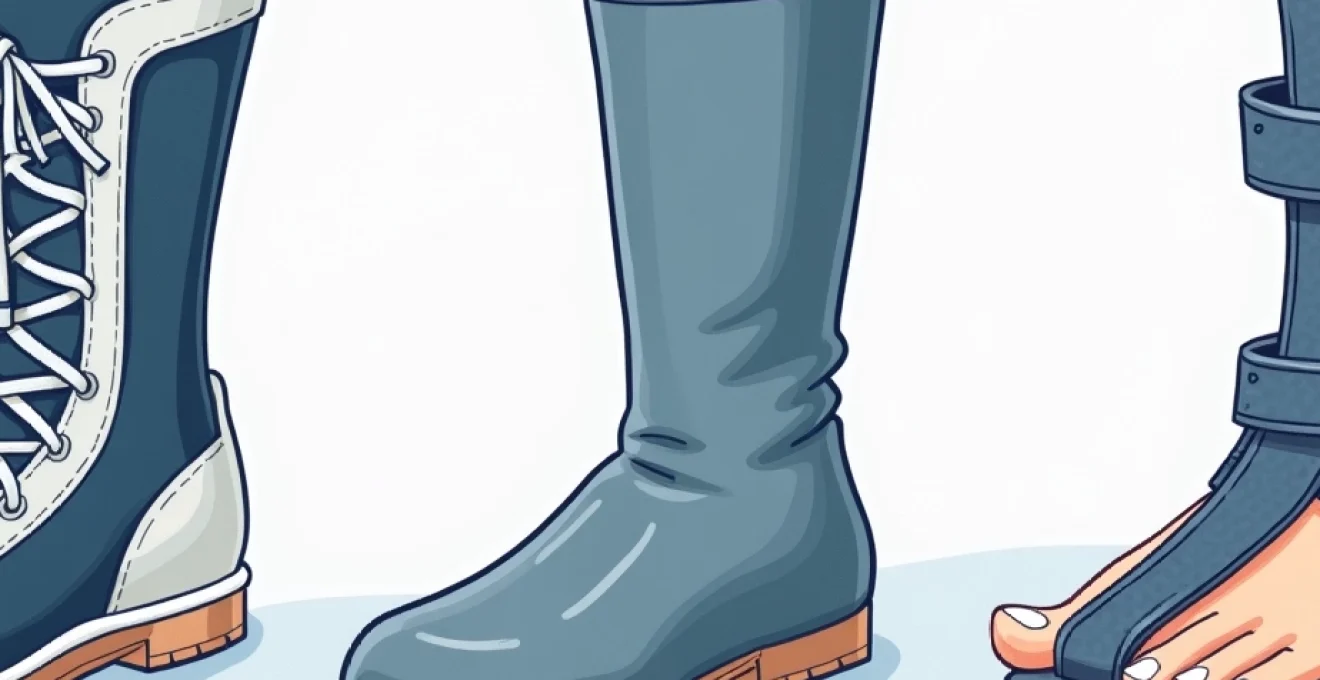
Medical walking boots, whether they’re CAM (Controlled Ankle Motion) walkers or pneumatic models, require specialised cleaning protocols that go far beyond standard footwear maintenance. These essential recovery devices protect healing bones, support post-surgical sites, and facilitate proper rehabilitation – making their cleanliness paramount for both patient safety and equipment longevity. Unlike traditional walking boots designed for hiking, medical walking boots feature complex pneumatic systems, removable padding, and surfaces that come into direct contact with healing tissue.
The importance of proper cleaning cannot be overstated when dealing with medical-grade equipment. Contaminated walking boots can harbour dangerous pathogens , potentially leading to serious infections that compromise healing and extend recovery times. Professional healthcare facilities process hundreds of these devices monthly, making standardised cleaning protocols essential for preventing cross-contamination between patients.
Essential Pre-Cleaning assessment for CAM walker boots and pneumatic walking boots
Before beginning any cleaning procedure, a thorough assessment of the walking boot’s condition and components is crucial. This evaluation determines the appropriate cleaning methods, identifies potential damage that could worsen during cleaning, and ensures all necessary materials are available for the specific boot model being processed.
Identifying boot construction materials: plastic, fabric, and metal components
Walking boots incorporate diverse materials that each require specific cleaning approaches. The outer shell typically consists of high-density polyethylene or polypropylene plastics that can withstand aggressive disinfection protocols. These thermoplastic components resist most chemical cleaners but may show stress cracking if exposed to excessive heat during drying. Understanding material composition prevents damage during the cleaning process and ensures appropriate disinfectant selection.
Fabric components present more complex challenges, as they often feature moisture-wicking synthetic fibres or natural cotton blends that can harbour bacteria in their weave structure. These textiles require longer contact times with disinfectants and may need mechanical action to dislodge embedded contaminants. Metal components, including buckles, hinges, and adjustment mechanisms, typically feature stainless steel or aluminium construction that resists corrosion but may require specific attention to prevent galvanic reactions with certain cleaning agents.
Evaluating velcro straps, air bladders, and removable liner condition
Velcro fastening systems accumulate significant debris and biological material during patient use, making them particularly challenging to clean effectively. The hook-and-loop mechanism traps skin cells, hair, and fabric fibres that provide nutrients for bacterial growth. Compromised Velcro strips require replacement rather than cleaning if the fastening strength has degraded significantly, as weak closures compromise therapeutic effectiveness.
Air bladders and pneumatic systems demand careful inspection for punctures, valve integrity, and pressure retention before cleaning. These components cannot withstand submersion cleaning methods and require specialised protocols that protect sensitive inflation mechanisms while ensuring thorough disinfection of patient-contact surfaces. Removable liners often show the highest levels of contamination and may require disposal rather than cleaning if heavily soiled or damaged.
Manufacturer-specific cleaning guidelines for aircast, DonJoy, and united ortho models
Each manufacturer provides specific cleaning recommendations that must be followed to maintain warranty coverage and ensure proper function. Aircast models typically feature more robust plastic construction that tolerates stronger disinfectants, while their pneumatic systems require gentle handling to prevent valve damage. DonJoy boots often incorporate proprietary foam formulations that may degrade with certain cleaning agents, necessitating milder approaches.
United Ortho models frequently feature modular designs that allow complete disassembly for thorough cleaning, but reassembly requires careful attention to component orientation and torque specifications. Manufacturer guidelines supersede general cleaning protocols when conflicts arise, as deviation from approved methods can void warranties and compromise device safety. Documentation of cleaning methods used becomes essential for regulatory compliance and liability protection.
Documenting existing damage and wear patterns before treatment
Comprehensive documentation before cleaning protects against liability claims and helps track equipment condition over time. Digital photography should capture all surfaces, with particular attention to areas showing wear, discolouration, or structural compromise. This documentation process also identifies boots that require repair or replacement before being returned to service.
Wear patterns provide valuable insights into patient compliance and boot fit issues that may need addressing. Excessive wear on one side might indicate gait abnormalities, while premature padding compression could suggest incorrect sizing. Systematic damage assessment improves patient outcomes by identifying equipment issues before they compromise treatment effectiveness.
Comprehensive disassembly protocol for orthotic walking boot components
Proper disassembly ensures thorough cleaning of all surfaces while preventing damage to delicate mechanisms. This systematic approach maximises cleaning effectiveness and facilitates proper reassembly without compromising device function. The complexity of modern walking boots demands methodical disassembly protocols that maintain component integrity throughout the process.
Safe removal of air pump mechanisms and pneumatic valves
Pneumatic systems require special handling during disassembly to prevent valve damage and maintain pressure integrity. Begin by fully deflating all air chambers using the manufacturer’s recommended deflation sequence, which prevents damage from residual pressure during component removal. Proper deflation prevents component distortion that could compromise fit and function after reassembly.
Valve removal requires specific tools and techniques to avoid thread damage or seal compromise. Most systems feature quick-disconnect fittings that separate with gentle rotational pressure, while others require complete unscrewing using appropriate torque specifications. Air pump mechanisms often contain delicate diaphragms or piston assemblies that cannot withstand aggressive cleaning, necessitating careful handling throughout the process.
Detaching foam padding, heel grips, and plantar fascia support inserts
Foam components typically attach through adhesive backing, mechanical fasteners, or interference fits that require specific removal techniques. Adhesive-backed padding should be peeled slowly to prevent foam tearing, starting from one corner and maintaining consistent pressure. Heat application can soften stubborn adhesives, but temperatures must remain below foam degradation limits.
Heel grips and plantar fascia supports often feature more complex attachment mechanisms that provide adjustability during patient use. These components may incorporate multiple adjustment points that require documentation of original settings before removal. Original configuration documentation speeds reassembly and ensures proper therapeutic positioning when the boot returns to service.
Proper handling of rocker sole assemblies and ankle stabilisation hardware
Rocker sole assemblies represent the most mechanically complex components of walking boots, incorporating pivot points, springs, and adjustment mechanisms that require careful handling. These assemblies often feature multiple adjustment points that must be documented before disassembly to maintain proper biomechanical function. The rocker mechanism itself may contain sealed bearings or bushings that cannot tolerate submersion cleaning.
Ankle stabilisation hardware includes hinges, stops, and range-of-motion limiters that incorporate precise adjustment mechanisms. These components require specific tools for safe removal and often feature left/right specificity that demands careful labelling during disassembly. Calibration marks and adjustment settings must be recorded to ensure proper therapeutic positioning after cleaning and reassembly.
Systematic documentation of component arrangement for reassembly
Comprehensive documentation during disassembly prevents assembly errors that could compromise patient safety and device function. Digital photography should capture each step of the disassembly process, with particular attention to component orientation, adjustment settings, and connection sequences. This visual documentation serves as an invaluable reference during reassembly, particularly for complex pneumatic systems.
Written documentation should include torque specifications, adjustment settings, and any manufacturer-specific assembly requirements discovered during disassembly. Detailed documentation prevents assembly errors that could result in device malfunction or patient injury. This information also proves valuable for training new staff members and maintaining consistent assembly quality across multiple technicians.
Medical-grade sanitisation techniques for Post-Surgical recovery equipment
Medical walking boots demand sanitisation protocols that eliminate pathogenic organisms while preserving device functionality and patient safety. These techniques go beyond standard cleaning to achieve the sterility levels required for medical equipment used in healing environments. The choice of sanitisation method depends on boot materials, contamination level, and intended use timeline.
Epa-approved disinfectant selection: quaternary ammonium vs isopropyl alcohol solutions
Quaternary ammonium compounds offer broad-spectrum antimicrobial activity with excellent surface adherence properties that provide residual protection after application. These disinfectants demonstrate superior efficacy against enveloped viruses and gram-positive bacteria while maintaining compatibility with most boot materials. However, quaternary ammonium compounds require longer contact times and may leave residues that require thorough rinsing.
Isopropyl alcohol solutions provide rapid microbial kill rates and complete evaporation without residue formation, making them ideal for quick turnaround situations. Alcohol-based disinfectants offer immediate efficacy but lack residual protection and may damage certain plastic components with repeated exposure. The concentration must remain between 70-90% for optimal antimicrobial activity, as higher concentrations paradoxically reduce effectiveness due to rapid evaporation.
Professional healthcare facilities increasingly favour alcohol-based disinfectants for walking boot cleaning due to their rapid action and complete residue elimination, which prevents skin irritation in sensitive patients.
UV-C sterilisation methods for Non-Removable internal components
Ultraviolet-C radiation provides chemical-free sterilisation for components that cannot tolerate liquid disinfectants or high temperatures. UV-C systems operating at 254 nanometers wavelength demonstrate proven efficacy against bacteria, viruses, and fungi when properly applied with adequate exposure times and intensity levels. This method proves particularly valuable for pneumatic bladders and sealed electronic components.
Effective UV-C sterilisation requires direct light exposure to all surfaces, necessitating multiple positioning cycles for complex geometries typical in walking boots. Shadow areas created by boot design may harbour surviving organisms if not addressed through systematic repositioning protocols. UV-C treatment requires controlled environments to protect personnel from harmful radiation exposure while ensuring complete component sterilisation.
Contact time requirements for eliminating MRSA, staphylococcus, and fungal pathogens
Methicillin-resistant Staphylococcus aureus (MRSA) requires extended contact times with most disinfectants due to its robust cell wall structure and biofilm formation capabilities. Standard quaternary ammonium compounds need minimum 10-minute contact times against MRSA, while alcohol-based solutions achieve kill rates within 30-60 seconds under proper conditions. Temperature elevation can reduce required contact times but may damage boot components.
Fungal pathogens present particular challenges due to their spore-forming capabilities and resistance to many common disinfectants. Aspergillus species commonly found in healthcare environments require specialised antifungal agents or extended exposure times with broad-spectrum disinfectants. Fungal contamination demands aggressive treatment protocols that may exceed standard bacterial disinfection procedures.
| Pathogen Type | Quaternary Ammonium Contact Time | Isopropyl Alcohol Contact Time | UV-C Exposure Requirements |
|---|---|---|---|
| MRSA | 10 minutes | 60 seconds | 15 minutes at 2.5 mJ/cm² |
| Staphylococcus aureus | 5 minutes | 30 seconds | 10 minutes at 2.0 mJ/cm² |
| Candida species | 15 minutes | 2 minutes | 20 minutes at 3.0 mJ/cm² |
| Aspergillus spores | 20 minutes | 5 minutes | 30 minutes at 4.0 mJ/cm² |
Cross-contamination prevention during Multi-Patient equipment processing
Multi-patient equipment processing demands strict protocols to prevent cross-contamination between devices and maintain sterility throughout the cleaning cycle. Dedicated processing areas with controlled airflow patterns help contain contaminants and prevent their spread to clean equipment. Physical separation of dirty and clean processing zones creates distinct workflows that minimise contamination risks.
Personnel protective equipment must be changed between contaminated and clean areas to prevent cross-contamination through direct contact. Cleaning tools and containers require dedicated assignment to specific processing stages, with colour-coding systems helping prevent mix-ups that could compromise sterility. Systematic workflow design eliminates contamination pathways while maintaining efficient processing throughput.
Specialised cleaning methods for pneumatic air chamber systems
Pneumatic air chamber systems require unique cleaning approaches that protect delicate inflation mechanisms while ensuring thorough decontamination of patient-contact surfaces. These systems cannot withstand traditional submersion cleaning methods, necessitating specialised techniques that balance cleaning effectiveness with component preservation. The complexity of pneumatic systems demands understanding of airflow patterns and pressure distribution to achieve complete decontamination.
Surface preparation begins with complete deflation using manufacturer-specified procedures that prevent valve damage from rapid pressure changes. External surfaces require systematic cleaning with appropriate disinfectants applied through spray or wipe techniques that avoid liquid infiltration into valve mechanisms. Valve protection prevents system compromise while maintaining therapeutic effectiveness throughout the boot’s service life.
Internal air chamber cleaning presents unique challenges as these spaces cannot be directly accessed for mechanical cleaning. Low-pressure air circulation with vaporised disinfectants can achieve internal decontamination, but requires specialised equipment and proper ventilation to prevent personnel exposure. Alternative approaches include extended external treatment periods that allow disinfectant migration through permeable chamber materials.
Pneumatic walking boot systems have revolutionised orthotic care by providing adjustable compression and support, but their complex internal structures demand equally sophisticated cleaning protocols to maintain both safety and functionality.
Valve system cleaning requires particular attention to thread interfaces and seal surfaces that could harbour contaminants. These precision-machined components demand gentle cleaning with soft brushes and appropriate solvents that remove biological debris without damaging sealing surfaces. Compressed air can help remove loosened contaminants from valve internals, but pressure levels must remain below manufacturer specifications to prevent damage.
Professional drying and reassembly standards for clinical use
Professional drying protocols ensure complete moisture elimination while preventing thermal damage to sensitive components. Ambient air drying provides the gentlest approach but requires extended time periods that may not meet clinical throughput demands. Controlled temperature drying chambers offer faster processing while maintaining precise environmental conditions that prevent component degradation.
Temperature monitoring throughout the drying cycle prevents overheating that could damage plastic components or compromise adhesive bonds. Most walking boot materials tolerate temperatures up to 40°C (104°F) without degradation, but electronic components and pneumatic seals may require lower limits. Controlled drying preserves component integrity while achieving the moisture levels necessary for sterile storage and patient use.
Reassembly requires systematic attention to component orientation, torque specifications, and adjustment settings documented during disassembly. Pneumatic systems need particular care during reassembly to prevent cross-threading of valve connections or over-tightening that could damage sealing surfaces. Pressure testing after reassembly confirms proper system function before returning boots to clinical service.
Quality control measures include functional testing of all mechanical systems, verification of adjustment ranges, and confirmation of proper fit characteristics. Visual inspection should identify any assembly errors or component damage that occurred during cleaning. Documentation of cleaning dates, methods used, and inspection results provides traceability for regulatory compliance and liability protection.
Long-term maintenance protocols for extended walking boot lifespan
Long-term maintenance extends walking boot service life while maintaining therapeutic effectiveness and patient safety throughout extended use cycles. Regular inspection schedules identify wear patterns and component degradation before they compromise device function or patient outcomes. These proactive maintenance approaches prove more cost-effective than reactive replacement strategies while ensuring consistent therapeutic quality.
Component replacement schedules based on usage cycles rather than calendar time provide more accurate maintenance timing for high-utilisation clinical environments. Foam padding typically requires replacement every 50-75 patient uses, while pneumatic components may function effectively for 200+ cycles with proper maintenance. Usage-based replacement optimises cost effectiveness while maintaining therapeutic standards throughout the boot’s service life.
Preventive maintenance includes lubrication of mechanical components, calibration of adjustment mechanisms, and replacement of consumable items before failure
occurs. Regular calibration checks ensure adjustment mechanisms maintain accurate settings throughout the boot’s operational life. Documentation of all maintenance activities provides regulatory compliance evidence while building historical performance data that improves future maintenance scheduling.
Storage protocols significantly impact walking boot longevity between cleaning cycles and during extended non-use periods. Climate-controlled environments prevent material degradation from temperature fluctuations and humidity variations that can compromise plastic flexibility and foam resilience. Proper storage positioning prevents component deformation that could affect therapeutic fit and function.
Training programs for maintenance personnel ensure consistent application of cleaning and maintenance protocols across all shifts and staff members. Standardized training reduces variability in maintenance quality while building institutional knowledge that survives personnel changes. Regular competency assessments verify that staff members maintain proficiency in complex maintenance procedures throughout their employment.
Inventory management systems track individual boot performance over time, identifying units that require more frequent maintenance or early retirement due to unusual wear patterns. This data-driven approach optimizes replacement timing while ensuring patient safety through proactive equipment monitoring. Advanced tracking systems can predict maintenance needs based on usage patterns and historical performance data.
Cost-benefit analysis of maintenance versus replacement decisions requires consideration of multiple factors beyond simple acquisition costs. Total cost of ownership includes cleaning supplies, staff time, storage space, and regulatory compliance documentation. Comprehensive cost analysis guides optimal equipment lifecycle management while maintaining therapeutic standards and patient safety requirements.
Environmental impact considerations increasingly influence maintenance protocol selection as healthcare facilities adopt sustainability initiatives. Biodegradable cleaning agents and energy-efficient drying systems reduce environmental impact while maintaining cleaning effectiveness. Water conservation measures and waste reduction strategies align maintenance practices with institutional sustainability goals without compromising patient care standards.