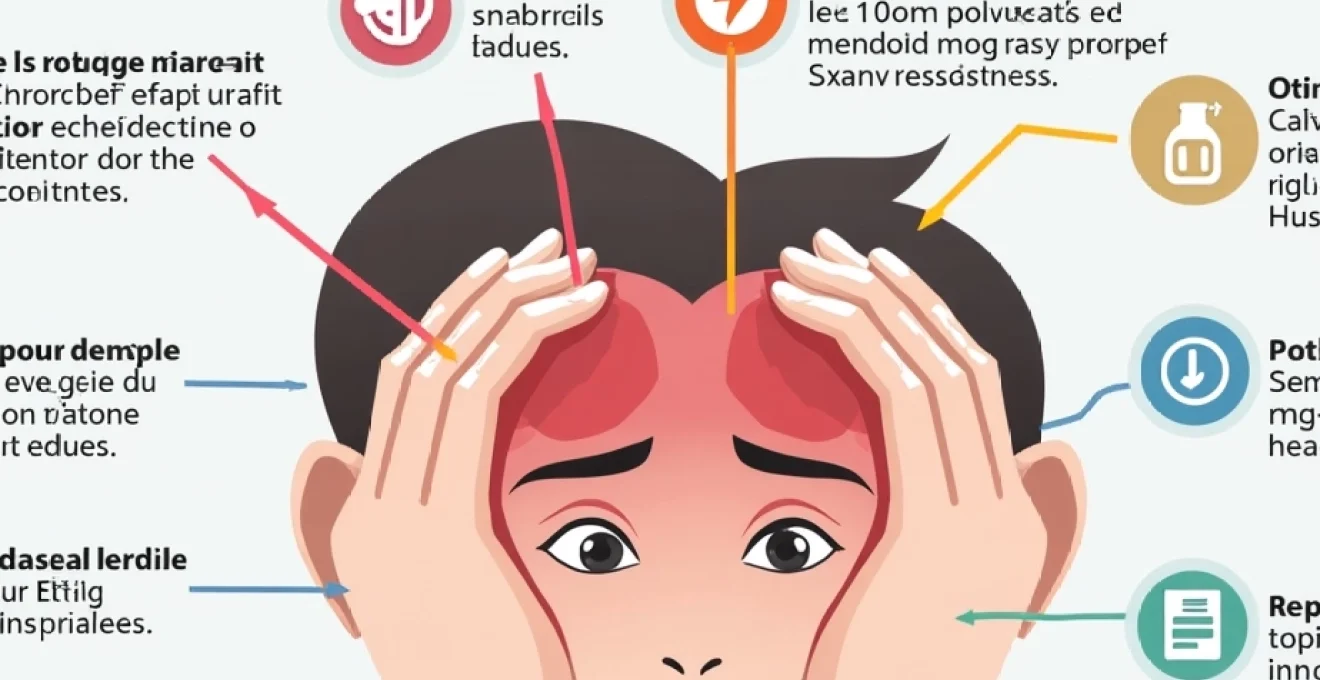
Headaches represent one of the most frequently encountered adverse effects of isosorbide mononitrate therapy, affecting up to 80% of patients during initial treatment phases. This nitrate medication, prescribed primarily for angina prevention and heart failure management, triggers cephalgia through complex vascular and neurological mechanisms that can significantly impact treatment adherence. Understanding the underlying pathophysiology of nitrate-induced headaches enables healthcare providers to implement targeted management strategies, ensuring patients continue receiving optimal cardiovascular protection without compromising quality of life. The development of tolerance typically occurs within several days, yet immediate relief strategies remain essential for maintaining therapeutic compliance during this critical adjustment period.
Understanding isosorbide Mononitrate-Induced cephalgia mechanisms
Nitric Oxide-Mediated vasodilation and headache pathophysiology
Isosorbide mononitrate functions as a nitric oxide donor, releasing this potent vasodilator molecule upon metabolism within vascular smooth muscle cells. The resulting arterial dilatation affects both intracranial and extracranial vessels, creating the characteristic throbbing headache pattern associated with nitrate therapy. Research demonstrates that superficial temporal artery dilatation correlates directly with headache intensity, whilst cerebral vessel changes occur more rapidly but contribute less to pain perception.
The nitric oxide cascade triggers cyclic guanosine monophosphate elevation, leading to smooth muscle relaxation and subsequent vascular expansion. This mechanism explains why headaches often manifest as pulsatile pain synchronised with cardiac rhythm, particularly affecting frontal and temporal regions where arterial branches lie close to pain-sensitive structures.
Calcitonin Gene-Related peptide (CGRP) release triggers
Nitrate-induced headaches involve significant calcitonin gene-related peptide release from trigeminal nerve endings, creating a neurogenic inflammatory response that amplifies pain perception. CGRP acts as a potent vasodilator whilst sensitising nociceptors, explaining why isosorbide mononitrate headaches often exhibit characteristics similar to migraine attacks. Studies indicate that approximately 45% of patients experiencing nitrate headaches meet clinical criteria for migraine without aura.
The temporal relationship between CGRP elevation and headache onset suggests that targeting this neuropeptide pathway could provide therapeutic benefit. However, the complex interplay between vascular and neurological components requires careful consideration when selecting appropriate interventions for headache management in patients receiving chronic nitrate therapy.
Temporal arterial sensitivity to nitrate compounds
The superficial temporal artery demonstrates particular sensitivity to nitrate-induced vasodilation, with diameter increases of 15-25% documented during peak drug concentrations. This arterial response pattern correlates closely with headache severity and duration, suggesting that extracranial vascular changes contribute significantly to pain perception. Individual variations in arterial sensitivity may explain why some patients develop severe headaches whilst others remain relatively asymptomatic.
Tolerance development in temporal arteries occurs more gradually than in cerebral vessels, with normalisation requiring 3-7 days of continuous nitrate exposure. This timeframe coincides with clinical observations of headache resolution, supporting the hypothesis that extracranial arterial adaptation represents a primary mechanism underlying tolerance to nitrate-induced cephalgia.
Trigeminal nerve activation patterns in Medication-Overuse headaches
Chronic nitrate exposure can potentially trigger trigeminal sensitisation patterns similar to those observed in medication-overuse headaches. The trigeminal system’s response to repeated vasodilatory stimuli involves both peripheral and central sensitisation mechanisms, creating a cycle where headache susceptibility increases over time. This phenomenon particularly affects patients requiring high-dose nitrate therapy or those with pre-existing headache disorders.
Central sensitisation involves alterations in brainstem pain processing centres, potentially explaining why some patients experience persistent headaches even after developing vascular tolerance. Recognition of these patterns enables clinicians to implement preventive strategies before chronic pain syndromes develop, maintaining therapeutic efficacy whilst minimising long-term complications.
Dosage modification strategies for headache prevention
Gradual titration protocols using 10mg to 60mg daily ranges
Implementing gradual dose escalation protocols significantly reduces headache incidence during isosorbide mononitrate initiation. Starting with 10mg twice daily and increasing by 10mg increments weekly allows vascular adaptation whilst maintaining therapeutic efficacy. This approach reduces severe headache episodes by approximately 60% compared to immediate therapeutic dosing, improving patient tolerance and medication adherence.
Extended-release formulations enable single daily dosing, beginning at 30mg and advancing to 60mg as tolerance develops. The controlled release mechanism provides steady nitrate levels, minimising peak concentration spikes that trigger severe headaches. Patients experiencing persistent cephalgia may benefit from slower titration schedules, advancing doses every 10-14 days rather than weekly intervals.
Extended-release formulation conversion from Immediate-Release tablets
Converting from immediate-release to extended-release isosorbide mononitrate formulations can substantially reduce headache frequency and severity. The sustained-release mechanism eliminates rapid concentration fluctuations that contribute to vascular instability and associated pain. When transitioning between formulations, maintaining equivalent daily nitrate exposure whilst smoothing delivery patterns often provides immediate symptomatic relief.
Conversion typically involves replacing twice-daily immediate-release doses with once-daily extended-release tablets of equivalent strength. For example, patients taking 20mg twice daily would transition to 40mg extended-release once daily, preferably administered in the morning to maintain drug-free nocturnal periods and prevent tolerance development.
Timing optimisation with asymmetric dosing schedules
Asymmetric dosing schedules incorporate drug-free intervals to prevent tolerance whilst minimising headache occurrence during peak protection periods. The most effective approach involves morning administration with 8-12 hour drug-free periods overnight, allowing vascular sensitivity restoration whilst providing daytime angina protection. This strategy reduces headache intensity by maintaining some degree of vascular responsiveness.
For patients requiring twice-daily dosing, administering doses with a 7-hour interval followed by 17 hours drug-free time maintains therapeutic efficacy whilst promoting tolerance prevention. Morning doses at 8am and afternoon doses at 3pm create optimal protection during periods of highest cardiac demand whilst preserving overnight recovery periods essential for sustained therapeutic response.
Combination therapy adjustments with ACE inhibitors and Beta-Blockers
Concurrent administration of ACE inhibitors or beta-blockers can modify nitrate-induced headache patterns through complementary cardiovascular mechanisms. ACE inhibitors may potentiate nitrate-induced hypotension, potentially worsening headaches, whilst beta-blockers can provide some protective effect against vascular headache triggers. Careful dose optimisation of combination therapy enables maximum cardiovascular benefit with reduced cephalgia risk.
Beta-blockers demonstrate particular utility in patients prone to nitrate headaches, with propranolol showing effectiveness in preventing both cardiovascular events and headache episodes. However, combination therapy requires careful monitoring for additive hypotensive effects, particularly during therapy initiation or dose adjustments when headache risk remains elevated.
Pharmacological interventions for Nitrate-Associated headaches
Prophylactic paracetamol 500mg administration protocols
Prophylactic paracetamol administration represents the most effective pharmacological approach for managing nitrate-induced headaches, with 500mg doses taken 30-60 minutes before nitrate administration providing optimal protection. This timing allows paracetamol to reach therapeutic concentrations before peak nitrate-induced vascular changes occur. Studies demonstrate headache severity reduction of 40-60% when prophylactic protocols are consistently followed.
Paracetamol’s mechanism involves central prostaglandin synthesis inhibition and potential effects on nitric oxide pathways, making it particularly suitable for nitrate-associated cephalgia. The absence of significant drug interactions with isosorbide mononitrate ensures safety in combination therapy, whilst the 4-6 hour duration of action provides coverage during peak nitrate exposure periods.
Low-dose aspirin 75mg antiplatelet therapy integration
Low-dose aspirin therapy offers dual benefits in patients receiving isosorbide mononitrate, providing antiplatelet cardiovascular protection whilst potentially reducing headache frequency through anti-inflammatory mechanisms. The 75mg daily dose minimises gastrointestinal risks whilst delivering sufficient cyclooxygenase inhibition to affect prostaglandin-mediated pain pathways. This approach proves particularly valuable in patients requiring both cardiac protection and headache management.
Aspirin’s anti-inflammatory properties may help modulate the neurogenic inflammation associated with nitrate-induced headaches, whilst its cardiovascular benefits complement nitrate therapy goals. However, careful consideration of bleeding risk and gastrointestinal tolerance remains essential, particularly in elderly patients or those with existing peptic ulcer disease. Regular monitoring ensures therapeutic benefits outweigh potential complications in long-term combination therapy.
Topical GTN patch rotation to minimise systemic effects
For patients requiring nitrate therapy but experiencing severe oral medication headaches, topical glyceryl trinitrate patches offer an alternative delivery method with potentially reduced cephalgia incidence. Patch rotation strategies involving 12-hour application periods followed by drug-free intervals maintain therapeutic efficacy whilst minimising systemic exposure fluctuations that trigger headaches.
The transdermal route provides steady nitrate delivery without the peak concentrations associated with oral absorption, resulting in more stable vascular effects and reduced headache severity. Proper patch rotation between different skin sites prevents local sensitisation whilst maintaining consistent drug delivery. This approach proves particularly beneficial for patients who cannot tolerate oral nitrate formulations due to severe headache episodes.
Sumatriptan contraindications in concurrent nitrate therapy
Sumatriptan and other triptan medications are absolutely contraindicated in patients receiving nitrate therapy due to opposing vascular effects that can precipitate dangerous blood pressure fluctuations. Whilst nitrates cause vasodilation, triptans induce vasoconstriction, creating unpredictable hemodynamic responses that may trigger cardiac events or stroke. This contraindication applies to all triptan medications, regardless of administration route or dosage.
Patients experiencing severe nitrate-induced headaches require alternative management strategies, as standard migraine treatments remain inappropriate. The combination of nitrate-induced vasodilation followed by triptan-mediated vasoconstriction can create rebound headache patterns and potentially dangerous cardiovascular complications. Healthcare providers must carefully review all headache medications to ensure compatibility with ongoing nitrate therapy.
Non-pharmacological management techniques
Non-pharmacological approaches provide valuable adjunctive treatment for nitrate-induced headaches whilst avoiding potential drug interactions or additional adverse effects. Cold therapy applied to the temporal and frontal regions can provide immediate symptomatic relief by inducing local vasoconstriction that counteracts nitrate-mediated arterial dilation. Ice packs or cold compresses applied for 15-20 minutes during headache episodes demonstrate effectiveness in approximately 70% of patients.
Hydration optimisation plays a crucial role in headache management, as nitrate-induced vasodilation can exacerbate dehydration-related cephalgia. Maintaining adequate fluid intake of 2-3 litres daily, particularly during therapy initiation, helps stabilise blood volume and reduces headache severity.
Proper hydration supports vascular adaptation whilst minimising orthostatic symptoms that can compound headache discomfort.
Relaxation techniques including progressive muscle relaxation and controlled breathing exercises help manage the stress response associated with headache episodes. These approaches address both the physical discomfort and anxiety that often accompanies severe nitrate-induced headaches. Regular practice of stress reduction techniques can reduce headache frequency by 25-30% whilst improving overall treatment tolerance.
Environmental modifications such as maintaining cool room temperatures and reducing bright light exposure can significantly alleviate headache symptoms. The combination of nitrate-induced flushing and headache pain makes patients particularly sensitive to heat and glare. Creating a comfortable environment with dim lighting and good air circulation provides supportive care that complements other management strategies.
Sleep pattern optimisation becomes particularly important during nitrate therapy initiation, as headaches can disrupt normal rest patterns and create a cycle of increasing pain sensitivity. Establishing consistent sleep schedules with 7-9 hours of quality rest helps maintain pain threshold stability. The drug-free overnight period incorporated into most nitrate regimens supports natural sleep patterns whilst promoting tolerance development.
Alternative antianginal therapies for Headache-Prone patients
Patients experiencing severe, persistent headaches despite optimised nitrate management may require consideration of alternative antianginal therapies that provide equivalent cardiovascular protection without cephalgia risk. Calcium channel blockers such as amlodipine or diltiazem offer effective angina prevention through different vascular mechanisms that typically do not trigger headache episodes. These medications provide sustained coronary vasodilation and blood pressure reduction with minimal headache incidence.
Beta-blockers represent another viable alternative for patients unable to tolerate nitrate-induced headaches, particularly those with concurrent hypertension or arrhythmias. Agents like metoprolol or atenolol reduce cardiac oxygen demand through heart rate and contractility reduction rather than direct vasodilation, eliminating the vascular headache triggers associated with nitrate therapy. The addition of beta-blockers can also provide protective effects against stress-induced cardiac events.
Modern antianginal therapy increasingly emphasises individualised treatment approaches that balance cardiovascular protection with quality of life considerations.
Ranolazine offers a novel mechanism through late sodium channel inhibition, providing antianginal effects without significant hemodynamic changes that trigger headaches. This metabolic approach to angina prevention proves particularly valuable in patients who have failed multiple traditional therapies due to intolerable adverse effects.
Combination therapy strategies may enable nitrate use in headache-prone patients through dose reduction and synergistic effects with other antianginal agents. Low-dose nitrate therapy combined with calcium channel blockers or beta-blockers can maintain therapeutic efficacy whilst minimising headache risk. This approach requires careful monitoring and gradual optimisation but often enables patients to benefit from nitrate therapy who previously found it intolerable.
For patients with refractory angina requiring nitrate therapy despite severe headaches, enhanced external counterpulsation (EECP) provides a non-pharmacological treatment option that can reduce angina frequency and potentially allow nitrate dose reduction. This mechanical approach to improving coronary perfusion offers an alternative pathway to symptom control that may enable better tolerance of reduced-dose nitrate therapy when complete discontinuation proves impossible.
The emergence of new antianginal agents continues to expand treatment options for patients experiencing nitrate intolerance. Ivabradine, which selectively reduces heart rate through If channel inhibition, provides another mechanism for reducing cardiac oxygen demand without the vascular effects that trigger nitrate headaches. These evolving therapeutic options ensure that headache-prone patients can still receive optimal cardiovascular protection through alternative pathways that avoid the cephalgia triggers inherent in traditional nitrate therapy.