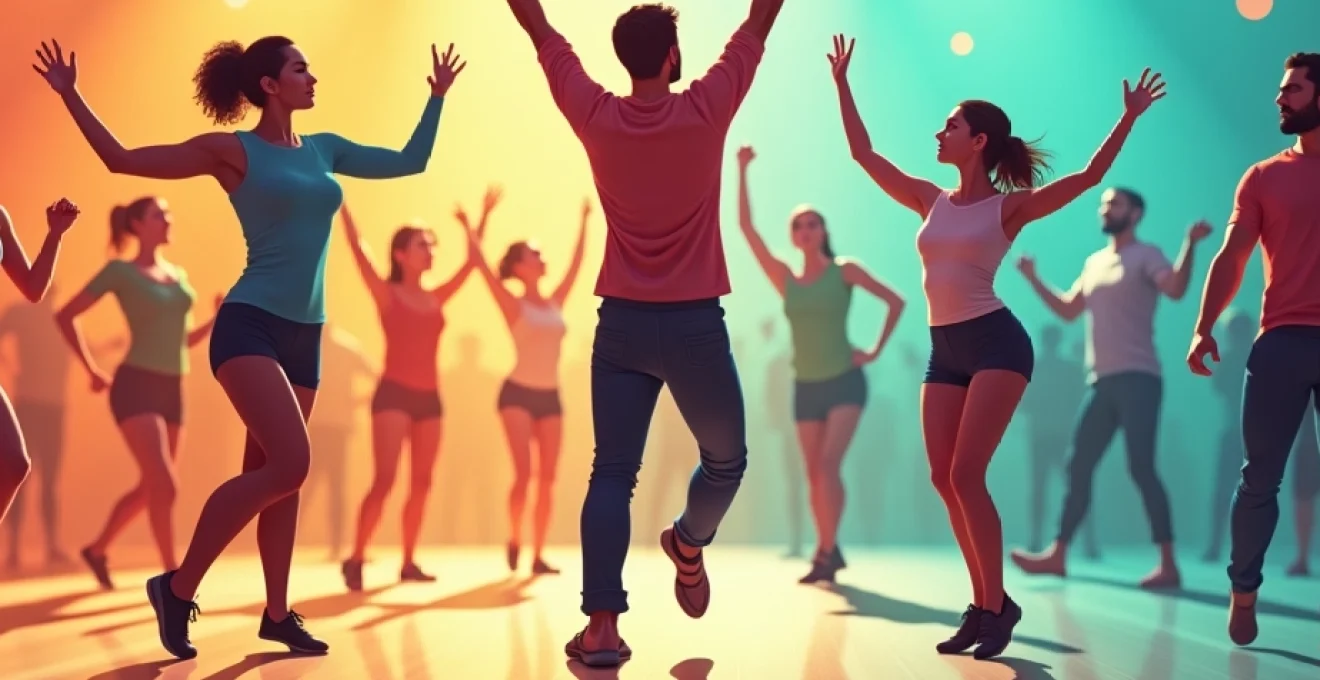
The fitness landscape has evolved dramatically over the past decade, with traditional gym-based cardio routines making room for more dynamic and engaging alternatives. Dancing has emerged as a compelling contender in the cardiovascular exercise arena, challenging conventional notions about what constitutes effective heart-healthy training. From the explosive popularity of Zumba classes to the rise of virtual dance fitness platforms, millions of people worldwide are discovering that moving to music can deliver serious fitness results. This shift represents more than just a trend—it reflects a growing understanding that sustainable exercise must be enjoyable, accessible, and mentally stimulating. Recent research reveals that dance-based workouts can match or exceed traditional cardio methods in terms of cardiovascular benefits, caloric expenditure, and long-term adherence rates.
Cardiovascular response mechanisms in Dance-Based exercise
The cardiovascular system responds to dance-based exercise through complex physiological mechanisms that mirror and often exceed those triggered by traditional cardio activities. When you engage in rhythmic movement patterns, your heart rate elevation occurs through multiple pathways, creating a comprehensive cardiovascular challenge that strengthens the entire circulatory system. The intermittent nature of dance movements—combining bursts of high-intensity sequences with active recovery periods—closely resembles high-intensity interval training (HIIT), which has been proven to optimise cardiovascular adaptations.
Dance triggers what exercise physiologists call the “cardiac stress response,” a beneficial adaptation where the heart muscle strengthens and becomes more efficient at pumping blood. This response occurs regardless of whether you’re performing a gentle waltz or an explosive hip-hop routine, though the intensity varies significantly between styles. The key difference between dance and traditional steady-state cardio lies in the variability of movement patterns and energy demands, which challenges the cardiovascular system in multiple dimensions simultaneously.
Heart rate elevation patterns during ballet and contemporary dance
Ballet and contemporary dance create unique cardiovascular demands through sustained isometric contractions combined with dynamic movement sequences. Research indicates that a typical ballet class can maintain heart rates between 65-80% of maximum capacity for extended periods, with peak elevations reaching 85-90% during grand allegro combinations. The controlled nature of ballet movements requires constant muscle engagement, forcing the heart to work continuously to deliver oxygen to active tissues.
Contemporary dance amplifies these demands through floor work and explosive jumps that create rapid heart rate spikes followed by recovery periods during more lyrical sequences. This natural interval training effect optimises cardiovascular adaptation while developing muscular endurance and flexibility simultaneously. Professional dancers often exhibit resting heart rates comparable to elite endurance athletes, demonstrating the profound cardiovascular adaptations possible through consistent dance training.
VO2 max improvements through salsa and ballroom dancing
Ballroom and Latin dance styles offer particularly effective cardiovascular training due to their sustained duration and consistent energy demands. A single salsa or tango session can last 3-5 minutes of continuous movement, creating ideal conditions for aerobic capacity development. Studies measuring oxygen consumption during ballroom dancing have recorded VO2 values ranging from 40-60% of maximum capacity, placing these activities firmly within the aerobic training zone recommended for cardiovascular health improvements.
The partner-based nature of ballroom dancing adds an element of unpredictability that enhances cardiovascular challenge. Leading and following require constant micro-adjustments in movement patterns, engaging stabilising muscles and increasing overall energy expenditure. Regular ballroom dancers demonstrate measurable improvements in VO2 max within 12-16 weeks of consistent training, with gains comparable to those achieved through traditional cycling or swimming programmes.
Blood circulation enhancement in High-Intensity dance workouts
High-intensity dance formats like Zumba, dance cardio classes, and hip-hop routines create dramatic improvements in circulation through rapid directional changes and full-body movement patterns. These workouts engage the peripheral circulatory system more comprehensively than linear cardio activities, as arms, legs, and core muscles work simultaneously to create coordinated movements. The result is enhanced venous return and improved capillary density in working muscles.
The multi-planar nature of dance movements—incorporating forward/backward, side-to-side, and rotational patterns—stimulates blood flow throughout the entire body. This comprehensive circulation enhancement contributes to improved oxygen delivery, enhanced nutrient transport, and more efficient waste removal from active tissues. Regular participants in high-intensity dance classes often report improved energy levels and reduced fatigue in daily activities, reflecting these systemic circulatory improvements.
Cardiac output optimisation during zumba and dance fitness classes
Zumba and similar dance fitness formats excel at optimising cardiac output through varied intensity intervals built into choreographed routines. A typical Zumba class alternates between high-energy Latin rhythms that elevate heart rate to 80-90% of maximum and slower songs that allow partial recovery while maintaining movement. This structure naturally creates optimal conditions for cardiac output improvements without requiring complex programming or heart rate monitoring.
The group atmosphere of dance fitness classes adds a psychological component that enhances cardiovascular response. Social facilitation and musical motivation combine to push participants beyond their typical comfort zones, resulting in higher intensity efforts and greater cardiovascular adaptations. Research indicates that group-based dance classes generate 15-20% higher average heart rates compared to solo dance activities, demonstrating the powerful influence of social and musical factors on exercise intensity.
Metabolic energy systems activated through different dance styles
Dance engages all three metabolic energy systems—phosphocreatine, glycolytic, and oxidative—in ways that closely mirror sport-specific training protocols. Unlike traditional cardio equipment that primarily targets aerobic metabolism, dance naturally incorporates explosive movements that tap into anaerobic systems while maintaining a foundation of aerobic activity. This comprehensive energy system activation creates metabolic adaptations that improve both power output and endurance capacity, making dance an exceptionally well-rounded form of cardiovascular exercise.
The beauty of dance lies in its ability to seamlessly transition between energy systems without conscious effort from the participant. A single song might include explosive jumps that demand immediate phosphocreatine system activation, followed by sustained movement patterns that rely on glycolytic pathways, and conclude with flowing sequences that emphasise aerobic metabolism. This natural progression mirrors the metabolic demands of many sports and daily activities, creating functional fitness improvements that translate beyond the dance floor.
Anaerobic threshold training in Hip-Hop and breakdancing
Hip-hop and breakdancing represent some of the most metabolically demanding dance styles, with movement patterns that frequently push performers above their anaerobic threshold. The explosive nature of breaking moves—power moves, freezes, and rapid-fire footwork—creates intense anaerobic demands that can elevate blood lactate levels comparable to sprint training. These high-intensity bursts develop the anaerobic power system while simultaneously challenging cardiovascular recovery capacity.
Street dance battles and extended hip-hop sessions naturally incorporate work-to-rest ratios that optimise anaerobic threshold development. Dancers typically perform high-intensity sequences for 30-90 seconds followed by brief recovery periods, creating ideal conditions for lactate buffering improvements and enhanced anaerobic capacity. Regular hip-hop dancers often demonstrate anaerobic power outputs that rival those of trained athletes in explosive sports.
Aerobic capacity building through latin dance choreography
Latin dance styles excel at building aerobic capacity through sustained, rhythmic movement patterns that maintain elevated heart rates for extended periods. Salsa, bachata, and merengue routines naturally fall within the 60-80% heart rate maximum zone that optimises aerobic adaptations. The continuous nature of Latin dancing, often performed for 20-60 minutes without significant breaks, creates ideal training stimuli for cardiovascular endurance development.
The cultural context of Latin dancing—often performed socially for hours at a time—provides a real-world application for aerobic fitness that surpasses most gym-based activities. This extended duration training develops the oxidative system’s capacity to utilise fat as fuel while maintaining comfortable conversation pace, a hallmark of aerobic fitness. Latin dance enthusiasts frequently report being able to dance for hours without fatigue, demonstrating remarkable aerobic adaptations.
Phosphocreatine system engagement in jazz and tap dancing
Jazz and tap dancing utilise the phosphocreatine energy system through rapid-fire movement combinations that demand immediate power output. Tap dancing, in particular, requires explosive calf contractions for sound production, with advanced routines incorporating hundreds of strikes per minute. These high-frequency, short-duration efforts develop the neuromuscular system’s ability to generate power rapidly and repeatedly, enhancing the phosphocreatine system’s capacity and recovery rate.
Jazz dance combinations often feature jump sequences, kicks, and directional changes that require maximal effort for brief periods. The choreographed nature of these movements creates natural interval training patterns that develop power endurance—the ability to repeat high-intensity efforts with minimal performance decline. This type of training improves the phosphocreatine system’s regeneration rate and enhances overall neuromuscular efficiency.
Glycolytic pathway activation during continuous dance sequences
Extended dance sequences lasting 2-6 minutes create optimal conditions for glycolytic system development by maintaining high-intensity efforts beyond the phosphocreatine system’s capacity. Contemporary dance pieces, musical theatre numbers, and competitive dance routines fall into this duration range, requiring sustained power output that relies heavily on glycolytic metabolism. This training stimulus enhances the body’s ability to buffer lactate and maintain performance despite accumulating metabolic byproducts.
The glycolytic system’s adaptation to dance training includes increased enzyme activity, improved lactate clearance, and enhanced glucose uptake by working muscles. These adaptations contribute to improved performance in any activity requiring sustained moderate-to-high intensity effort, from climbing stairs to recreational sports participation. Dance training’s natural incorporation of glycolytic challenges makes it an effective method for developing this crucial energy system without the monotony of traditional lactate threshold training.
Comparative caloric expenditure analysis across dance disciplines
Understanding the caloric demands of different dance styles reveals the significant metabolic impact these activities can have on body composition and weight management. Research conducted by Harvard Health Publishing provides compelling data on energy expenditure across various dance forms, with surprising results that challenge assumptions about exercise intensity. A 155-pound individual can burn between 180-400 calories in just 30 minutes of dancing, depending on the style and intensity level.
Hip-hop and vigorous dancing lead the caloric expenditure rankings, burning approximately 240-400 calories per half-hour session. This places these dance styles in the same category as jogging, cycling, or swimming for metabolic impact. Ballet and jazz dance generate 180-250 calories per session, while ballroom dancing burns 160-220 calories in the same timeframe. Even relatively gentle forms like slow ballroom dancing can burn 110-150 calories per 30 minutes, demonstrating that any form of dance provides meaningful metabolic benefits.
| Dance Style | Calories Burned (30 mins, 155lb person) | Intensity Level | Primary Energy System |
|---|---|---|---|
| Hip-Hop/Vigorous | 240-400 | High | Glycolytic/Aerobic |
| Zumba | 300-350 | High | Aerobic/Glycolytic |
| Ballet | 180-250 | Moderate | Aerobic |
| Ballroom (Fast) | 180-220 | Moderate | Aerobic |
| Salsa | 200-280 | Moderate-High | Aerobic |
| Ballroom (Slow) | 110-150 | Low-Moderate | Aerobic |
The variability in caloric expenditure reflects not only the physical demands of different dance styles but also individual factors such as body weight, fitness level, and movement efficiency. Heavier individuals burn more calories performing the same movements, while improved dance technique can actually reduce energy cost as movements become more efficient. This creates an interesting paradox where beginners may initially burn more calories than experienced dancers, though advanced dancers typically maintain higher intensities for longer periods.
Beyond immediate caloric burn, dance training creates metabolic adaptations that enhance calorie expenditure for hours after exercise completion. The “afterburn effect” or excess post-exercise oxygen consumption (EPOC) can add 10-15% to total daily energy expenditure following intense dance sessions. High-intensity dance styles like breakdancing or competitive jazz can elevate metabolism for 12-24 hours post-exercise, contributing to long-term weight management and metabolic health improvements.
Physiological adaptations from regular dance training
Consistent dance training triggers comprehensive physiological adaptations that extend far beyond simple cardiovascular improvements. The multi-dimensional nature of dance movement patterns creates adaptations in multiple body systems simultaneously, resulting in functional fitness improvements that translate directly to daily life activities. Regular dancers develop enhanced proprioception, improved balance, increased bone density, and superior coordination compared to individuals who engage only in traditional linear exercises.
Cardiovascular adaptations from dance training include increased stroke volume, improved arterial compliance, and enhanced peripheral oxygen extraction. These changes allow the heart to pump more blood with each beat while reducing resting heart rate and blood pressure. The varied movement patterns inherent in dance also improve capillarisation in working muscles, enhancing oxygen and nutrient delivery to tissues throughout the body. These adaptations contribute to improved exercise capacity and reduced cardiovascular disease risk.
Neurological adaptations represent perhaps the most unique benefit of dance training compared to traditional cardio exercise. Learning and performing complex movement sequences enhances cognitive function, improves reaction time, and strengthens the mind-body connection. Research indicates that dance training can increase brain-derived neurotrophic factor (BDNF) levels, promoting neuroplasticity and potentially reducing age-related cognitive decline. These neurological benefits distinguish dance from most other forms of cardiovascular exercise.
Musculoskeletal adaptations from dance training include improved bone mineral density, enhanced joint mobility, and increased functional strength. The impact forces generated during jumping and leaping movements provide osteogenic stimuli that strengthen bones, while the full range of motion required in dance improves joint health and flexibility. Unlike traditional cardio activities that may contribute to muscle loss, dance training maintains and often increases lean muscle mass through its resistance-like movement patterns.
Regular dance participation has been shown to improve cardiovascular health markers comparable to traditional aerobic exercise while providing additional benefits for cognitive function, balance, and quality of life that extend well beyond the dance studio.
Scientific research on dance as cardiovascular exercise
The scientific community has increasingly recognised dance as a legitimate form of cardiovascular exercise, with mounting research evidence supporting its efficacy for health improvement. Peer-reviewed studies consistently demonstrate that dance-based interventions can improve cardiovascular fitness, reduce chronic disease risk factors, and enhance quality of life across diverse populations. The body of evidence now spans multiple decades and includes randomised controlled trials, longitudinal studies, and meta-analyses that collectively support dance as an effective cardiovascular exercise modality.
Recent systematic reviews have identified dance interventions as particularly effective for improving cardiovascular endurance in older adults, with effect sizes comparable to traditional exercise programmes. The social and enjoyable nature of dance contributes to superior adherence rates compared to conventional exercise prescriptions, leading to better long-term health outcomes. Studies tracking participants over 12-52 weeks consistently show maintained improvements in cardiovascular fitness, with some research indicating that dance participants are more likely to continue exercising beyond the study period.
American college of sports medicine guidelines for dance fitness
The American College of Sports Medicine (ACSM) has formally recognised dance as meeting criteria for cardiovascular exercise in their updated physical activity guidelines. Dance activities that maintain heart rates between 64-76% of maximum for sustained periods qualify as moderate-intensity aerobic exercise, while high-intensity dance styles that elevate heart rate above 76% of maximum meet vigorous-intensity criteria. These guidelines acknowledge that dance can fulfil the recommended 150 minutes of moderate-intensity or 75 minutes of vigorous-intensity aerobic activity per week.
ACSM guidelines specifically highlight the functional movement patterns inherent in dance as providing additional health benefits beyond traditional cardio activities. The multi-planar movements, varied intensities, and skill development components of dance address multiple fitness domains simultaneously, making it an efficient exercise choice for time-constrained individuals. The guidelines also note that dance’s social and enjoyable nature can help address the primary barriers to exercise adherence—boredom and lack of motivation.
Clinical studies on ballroom dancing and heart
health outcomes
Clinical research examining ballroom dancing’s cardiovascular benefits has produced compelling evidence for its therapeutic potential in cardiac rehabilitation and prevention programmes. A landmark study published in the European Journal of Cardiovascular Prevention followed 110 heart disease patients through a 12-week ballroom dancing intervention, comparing outcomes to traditional cardiac rehabilitation protocols. Participants in the dance group showed significant improvements in peak oxygen uptake, exercise capacity, and quality of life measures that equalled or exceeded those achieved through conventional exercise therapy.
The psychological benefits of ballroom dancing appear to enhance cardiovascular outcomes through stress reduction and improved treatment adherence. Patients participating in ballroom dance interventions demonstrate lower cortisol levels and reduced inflammatory markers compared to those following standard exercise prescriptions. The partner-based nature of ballroom dancing also provides social support that contributes to better long-term lifestyle modifications and sustained cardiovascular health improvements.
Long-term follow-up studies tracking ballroom dancers over 5-10 years reveal sustained cardiovascular benefits including reduced blood pressure, improved lipid profiles, and decreased incidence of cardiac events. These findings have led several cardiac rehabilitation centres to incorporate ballroom dancing as an alternative or complementary therapy option, particularly for patients who struggle with traditional exercise adherence or find conventional programmes monotonous or intimidating.
Research findings on zumba’s impact on cardiovascular endurance
Zumba has been the subject of extensive cardiovascular research due to its global popularity and standardised format, providing researchers with consistent protocols for scientific study. A comprehensive meta-analysis examining 15 randomised controlled trials found that Zumba participation resulted in significant improvements in VO2 max, resting heart rate, and blood pressure across diverse populations. The effect sizes were comparable to those achieved through traditional aerobic exercise programmes, with the added benefit of superior adherence rates and participant satisfaction scores.
Research conducted at the University of Wisconsin-La Crosse revealed that a typical Zumba class maintains participants’ heart rates at 64-94% of age-predicted maximum, with average intensities falling within the vigorous exercise category. The interval-like structure of Zumba routines—alternating between high-energy songs and active recovery periods—creates optimal conditions for cardiovascular adaptation while remaining accessible to participants of varying fitness levels.
Longitudinal studies tracking Zumba participants over 16-24 weeks consistently demonstrate improvements in cardiovascular endurance markers, with some research showing continued benefits extending beyond the intervention period. The group-based, music-driven nature of Zumba appears to trigger psychological responses that enhance exercise motivation and create positive associations with physical activity, contributing to sustained behaviour change and long-term cardiovascular health improvements.
Dance intensity monitoring and heart rate zone optimisation
Effective cardiovascular training requires understanding and monitoring exercise intensity to ensure optimal adaptation while preventing overexertion or undertraining. Dance presents unique challenges for intensity monitoring due to its variable nature and the difficulty of predicting heart rate responses to complex movement patterns. However, modern technology and physiological understanding have made it possible to optimise dance workouts for specific cardiovascular training zones, maximising the health benefits while maintaining the joy and spontaneity that make dance so appealing.
Traditional heart rate monitoring approaches often fall short in dance settings due to the arm movements and torso rotations that can interfere with chest strap sensors. Wrist-based heart rate monitors and newer optical sensors have improved accuracy for dance activities, though practitioners should be aware that rapid directional changes may still affect readings. The key is to use heart rate data as a general guide rather than precise measurement, focusing on perceived exertion and breathing patterns as primary intensity indicators during dance sessions.
Understanding target heart rate zones becomes particularly important for individuals using dance as their primary form of cardiovascular exercise. The fat-burning zone (50-60% of maximum heart rate) corresponds to gentle dance forms like slow ballroom or lyrical contemporary work. The aerobic zone (60-70% maximum heart rate) aligns with moderate-intensity dance styles such as standard ballroom, basic salsa, or foundational ballet classes. The anaerobic threshold zone (70-80% maximum heart rate) matches vigorous dance forms including fast Latin styles, advanced jazz, or competitive hip-hop routines.
Dance instructors and participants can optimise cardiovascular benefits by structuring classes to include time in multiple heart rate zones, mimicking the principles of periodised training used by endurance athletes. A well-designed dance class might begin with gentle warm-up movements in the fat-burning zone, progress through moderate-intensity choreography in the aerobic zone, incorporate high-intensity sequences that push into anaerobic territory, and conclude with cool-down movements that allow heart rate recovery. This approach maximises both immediate caloric expenditure and long-term cardiovascular adaptations.
The psychological aspects of intensity monitoring in dance require careful consideration to maintain the activity’s inherent enjoyment while achieving fitness goals. Over-emphasis on heart rate numbers can detract from the expressive and social elements that make dance sustainable as a long-term exercise choice. Successful integration of intensity monitoring involves teaching participants to recognise physiological cues—breathing rate, muscle fatigue, and perceived exertion—that correspond to different training zones, allowing them to self-regulate intensity while remaining fully engaged in the artistic and social aspects of dance.
Advanced practitioners may benefit from periodised approaches that vary dance intensity throughout the week or month, incorporating high-intensity sessions for cardiovascular adaptation, moderate sessions for skill development, and low-intensity sessions for active recovery. This systematic approach treats dance with the same scientific rigour applied to other endurance sports while preserving its unique characteristics. The result is a comprehensive cardiovascular training programme that delivers measurable health benefits without sacrificing the elements that make dance a sustainable and enjoyable form of exercise for millions of people worldwide.