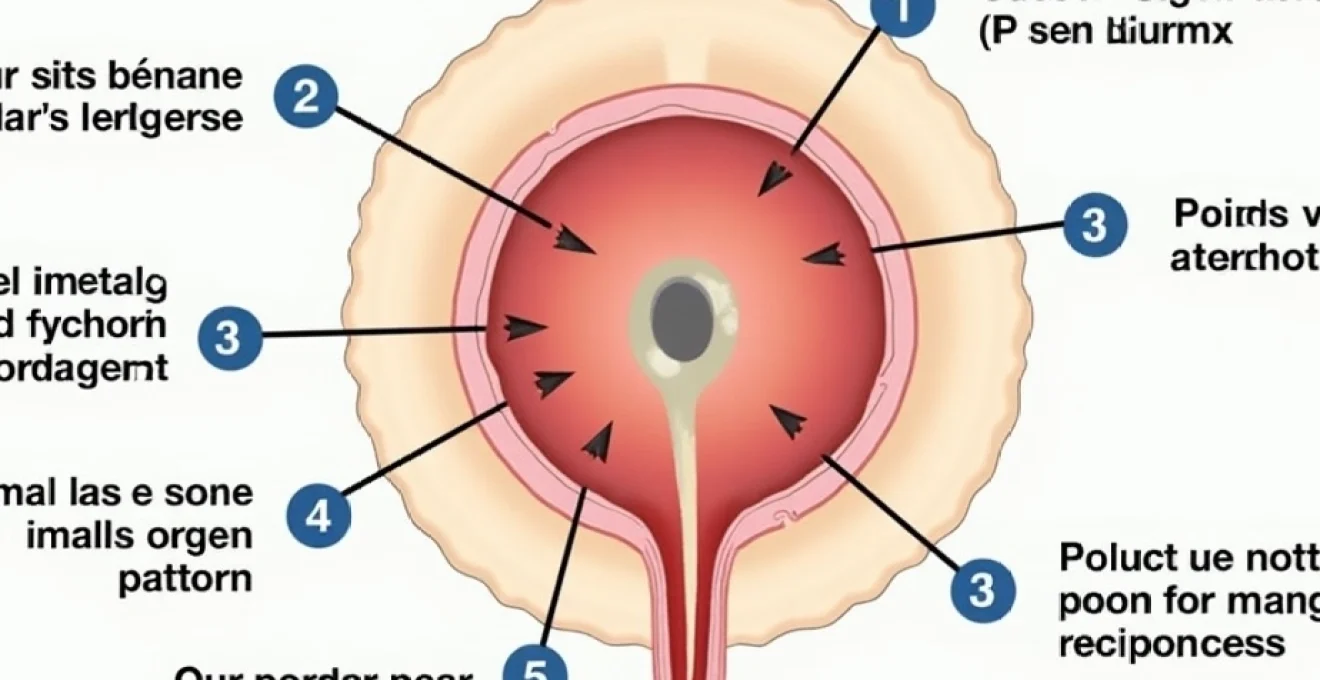
Double-J ureteral stent removal represents one of the most anxiety-provoking aspects of urological care for patients. While these medical devices serve crucial functions in maintaining ureteral patency and facilitating healing, their extraction often triggers significant discomfort that can persist for days or even weeks. Understanding the physiological mechanisms behind post-removal pain, distinguishing between normal recovery symptoms and concerning complications, and implementing appropriate management strategies are essential for both patients and healthcare providers navigating this challenging phase of treatment.
Recent research indicates that approximately 27% of patients experience increased pain in the hours following ureteral stent removal, with certain demographic factors significantly influencing pain severity and duration. Female patients, younger individuals, and those with shorter stent indwelling periods demonstrate heightened susceptibility to post-extraction discomfort , making personalised pain management protocols increasingly important in contemporary urological practice.
Understanding Double-J ureteral stent placement and removal procedures
Double-J stents, also known as ureteral stents or pigtail stents, consist of biocompatible polymeric materials designed to maintain ureteral lumen patency during periods of inflammation, obstruction, or post-surgical healing. These tubular devices feature curved ends that prevent migration, with the upper curl residing in the renal pelvis and the lower curl positioned within the bladder trigone. The fundamental principle underlying their therapeutic application involves creating an artificial conduit that bypasses potential sites of ureteral compromise while allowing continuous urine drainage from the kidney to the bladder.
The placement procedure typically occurs under cystoscopic guidance, with urologists employing either flexible or rigid instrumentation depending on patient anatomy and clinical circumstances. Fluoroscopic confirmation ensures optimal positioning , while contrast studies may verify appropriate stent function before procedure completion. Duration of placement varies considerably, ranging from several days following uncomplicated ureteroscopy to several months in cases involving complex reconstructive procedures or malignant ureteral obstruction.
Cystoscopic insertion techniques for polyurethane and silicone stents
Modern cystoscopic insertion techniques have evolved to minimise procedural morbidity while ensuring reliable stent deployment. Flexible cystoscopy, performed under local anaesthesia with topical lignocaine gel, represents the gold standard approach for routine stent placement. The procedure begins with careful urethral instrumentation, followed by systematic bladder inspection and identification of the affected ureteral orifice. Guidewire advancement under fluoroscopic control precedes stent deployment , with confirmation imaging ensuring appropriate positioning before withdrawal of instrumentation.
Polyurethane stents demonstrate superior biocompatibility compared to earlier silicone alternatives, exhibiting reduced encrustation rates and improved patient tolerance during extended indwelling periods. These materials resist bacterial adhesion more effectively, thereby reducing infection risk while maintaining structural integrity throughout the treatment period. Advanced surface modifications, including hydrophilic coatings and antimicrobial agents, further enhance therapeutic outcomes while minimising complications associated with foreign body presence within the urinary tract.
Boston scientific percuflex and cook medical resonance stent materials
Contemporary ureteral stent manufacturing incorporates sophisticated polymeric technologies designed to optimise patient comfort while maintaining therapeutic efficacy. Boston Scientific Percuflex stents utilise proprietary polyurethane formulations that demonstrate exceptional flexibility and resistance to encrustation formation. These devices feature graduated radiopacity markers facilitating radiological monitoring, while their surface characteristics minimise tissue irritation during movement and bladder filling cycles.
Cook Medical Resonance stents incorporate innovative design elements including softer durometer materials and optimised curl configurations that reduce bladder trigone irritation. These technological advances represent significant improvements over traditional stent designs , with clinical studies demonstrating reduced pain scores and improved quality of life metrics during indwelling periods. The material composition actively resists mineral deposition while maintaining sufficient tensile strength to prevent fragmentation during removal procedures.
Indwelling duration factors affecting Post-Removal discomfort
Research demonstrates a clear inverse relationship between stent indwelling duration and post-removal pain intensity. Patients with stents placed for seven days or fewer experience significantly higher rates of post-extraction discomfort compared to those with longer indwelling periods. This phenomenon likely reflects incomplete tissue adaptation to the foreign body presence, resulting in heightened inflammatory responses upon device removal.
Extended indwelling periods allow for progressive tissue accommodation around the stent surface, with urothelial cells gradually adapting to the foreign material presence. However, prolonged placement beyond three months increases risks of encrustation formation and subsequent removal complications. The optimal balance between tissue adaptation and complication avoidance typically occurs within the 2-6 week timeframe , though individual patient factors may necessitate deviation from these general guidelines.
Local anaesthetic protocols during flexible cystoscopy removal
Contemporary anaesthetic protocols for stent removal emphasise patient comfort while maintaining procedural safety and efficiency. Topical lignocaine gel application to the urethral meatus provides effective surface anaesthesia, typically requiring 5-10 minutes for optimal effect before instrumentation begins. Some practitioners advocate for intraurethral instillation of additional anaesthetic agents, particularly in patients with known urethral sensitivity or previous traumatic catheterisation experiences.
The anaesthetic approach must balance adequate pain control with procedural requirements, as excessive anaesthesia may impair patient feedback regarding discomfort levels during stent manipulation. Modern flexible cystoscopes with smaller diameters have significantly reduced anaesthetic requirements while maintaining excellent visualisation quality. Post-procedural pain management protocols typically incorporate both pharmacological interventions and non-pharmacological comfort measures to optimise patient recovery experiences.
Physiological pain mechanisms following DJ stent extraction
The pathophysiology of post-stent removal pain involves complex interactions between mechanical trauma, inflammatory mediator release, and neurological sensitisation processes. During the extraction procedure, direct contact between the stent surface and urothelial tissues creates microscopic abrasions that trigger immediate nociceptor activation. These mechanical injuries initiate cascading inflammatory responses involving prostaglandin synthesis, cytokine release, and complement activation, ultimately resulting in tissue oedema and heightened pain sensitivity.
Neuroplasticity changes occurring during stent indwelling periods contribute significantly to post-removal discomfort patterns. Chronic mechanical irritation from the indwelling device creates peripheral sensitisation , with increased density of pain receptors in affected tissues. Upon stent removal, these sensitised neural pathways continue transmitting pain signals despite elimination of the primary stimulus, explaining why discomfort may persist beyond the immediate post-procedural period.
Urothelial tissue inflammation and mucosal irritation response
Urothelial injury following stent removal involves disruption of the protective glycosaminoglycan layer that normally shields underlying tissues from urinary irritants. This barrier dysfunction allows direct contact between urine constituents and exposed nerve endings, amplifying pain sensations during micturition. The inflammatory cascade includes activation of mast cells, neutrophils, and lymphocytes , each contributing distinct mediators that propagate tissue damage and pain signalling.
Microscopic examination of post-stent removal tissue specimens reveals characteristic changes including epithelial denudation, submucosal oedema, and increased vascular permeability. These histological alterations correlate directly with symptom severity, with more extensive tissue damage associated with prolonged and intense pain experiences. Recovery typically requires 5-10 days for complete epithelial regeneration, though individual healing rates vary considerably based on patient factors and procedural complexity.
Trigonal spasm and detrusor muscle hyperactivity patterns
Bladder trigone irritation represents one of the most significant contributors to post-stent removal discomfort, with the lower stent curl creating chronic mechanical stimulation of this highly innervated anatomical region. Upon stent removal, reflexive detrusor muscle contractions may persist due to established neural pathways that developed during the indwelling period. These spasmodic contractions create intense pressure sensations and urgency symptoms that can persist for several days following the procedure.
Neurophysiological studies demonstrate altered bladder sensory thresholds in patients with recent stent removal, with decreased volumes required to trigger urgency sensations compared to baseline measurements. The trigonal hyperactivity pattern typically involves increased frequency of spontaneous detrusor contractions, elevated resting pressures, and diminished compliance during filling phases. These functional changes gradually normalise as tissue healing progresses and neural sensitisation resolves.
Prostaglandin E2 release and nociceptor sensitisation pathways
Prostaglandin E2 synthesis increases dramatically following stent removal, with tissue levels remaining elevated for 48-72 hours post-procedure. This inflammatory mediator directly sensitises nociceptors while promoting vasodilation and increased vascular permeability in affected tissues. The cyclooxygenase-2 pathway activation creates sustained inflammatory responses that contribute significantly to both immediate and delayed pain experiences following stent extraction.
Nociceptor sensitisation involves multiple molecular mechanisms including sodium channel upregulation, calcium channel modifications, and altered neurotransmitter release patterns. These changes create hyperalgesia and allodynia, where normally non-painful stimuli such as bladder filling or movement trigger intense pain sensations. Understanding these pathways has led to targeted therapeutic interventions using selective cyclooxygenase inhibitors and calcium channel modulators in post-stent removal pain management protocols.
Transitional cell epithelium recovery timeline
Transitional cell epithelium recovery following stent removal follows predictable stages beginning with immediate inflammatory responses and progressing through proliferation and maturation phases. The initial 24-48 hours involve acute inflammatory cell infiltration and cytokine release, followed by a proliferative phase lasting 3-5 days during which epithelial cells migrate to cover denuded surfaces. Complete structural restoration typically requires 7-14 days , though functional normalisation may extend beyond this timeframe.
Factors influencing recovery rates include patient age, underlying medical conditions, previous urological procedures, and concurrent medications. Younger patients generally demonstrate faster healing rates, while those with diabetes, immunocompromising conditions, or chronic kidney disease may experience prolonged recovery periods. Monitoring epithelial regeneration through sequential cytological examinations provides valuable insights into healing progress and helps guide clinical decision-making regarding symptom management and follow-up care.
Normal Post-Removal pain duration and intensity parameters
Establishing clear parameters for normal post-stent removal pain helps differentiate expected recovery symptoms from complications requiring medical intervention. Clinical studies indicate that moderate discomfort affecting 60-80% of patients represents the typical post-procedural experience, with pain scores generally ranging from 3-6 on standard 10-point scales during the first 48 hours. Most patients experience significant symptom improvement within 72 hours , though complete resolution may require up to one week depending on individual factors and procedural complexity.
Pain characteristics typically include burning sensations during micturition, lower abdominal cramping, and intermittent flank discomfort that may radiate to the ipsilateral groin region. These symptoms often demonstrate circadian variation, with increased intensity during active periods and relative improvement during rest. The presence of mild haematuria accompanying these symptoms represents normal tissue healing responses rather than concerning complications requiring immediate intervention.
Research demonstrates that patients with stent indwelling periods exceeding seven days experience significantly lower rates of post-removal pain, suggesting that tissue adaptation mechanisms provide protective benefits during the extraction process.
Intensity progression typically follows predictable patterns, with peak discomfort occurring 2-6 hours post-procedure before gradually diminishing over subsequent days. Patients should expect temporary increases in urinary frequency, with micturition intervals potentially decreasing to 1-2 hours during the initial recovery period. This frequency pattern usually normalises within 3-5 days as trigonal irritation subsides and bladder sensitivity returns to baseline levels.
Demographic factors significantly influence pain experiences, with female patients demonstrating approximately 2.4 times higher likelihood of experiencing post-removal discomfort compared to male counterparts. Age-related variations show inverse correlations, with younger patients reporting more intense and prolonged symptoms. These patterns likely reflect differences in pain perception thresholds, tissue healing responses, and anatomical variations affecting stent-tissue interactions during indwelling periods.
Pathological pain indicators requiring immediate urological assessment
Distinguishing between normal recovery symptoms and pathological complications requiring urgent intervention represents a critical aspect of post-stent removal care. Severe pain persisting beyond 48 hours without improvement, particularly when accompanied by systemic symptoms such as fever or rigors, indicates potential complications necessitating immediate medical evaluation. Pain scores exceeding 7-8 on standard scales that fail to respond to prescribed analgesic regimens suggest underlying pathology rather than expected post-procedural discomfort.
The development of complete urinary retention represents a urological emergency requiring immediate catheterisation and further investigation. This complication may result from ureteral oedema, blood clot formation, or inadvertent tissue trauma during the extraction procedure. Similarly, the inability to initiate micturition or persistent sensations of incomplete bladder emptying warrant prompt medical assessment to exclude mechanical obstruction or neurological complications.
Haematuria severity grading using WHO classification system
Haematuria assessment following stent removal utilises standardised grading systems to differentiate normal tissue healing responses from pathological bleeding requiring intervention. The World Health Organisation classification system provides objective criteria for severity assessment, with Grade 1 haematuria representing microscopic blood presence detectable only through laboratory analysis. Grade 2 haematuria involves visible blood discolouration without clot formation, typically appearing as pink or light red urine that remains translucent.
Grade 3 haematuria demonstrates gross blood presence with potential clot formation, while Grade 4 represents life-threatening bleeding requiring immediate intervention. Most post-stent removal patients experience Grade 1-2 haematuria that resolves spontaneously within 2-3 days. However, progression to higher grades or persistence beyond 72 hours indicates potential complications including ureteral perforation, vascular injury, or coagulopathy requiring urgent evaluation and management.
Clot passage during micturition may occur normally during the first 24 hours post-removal but should not persist beyond this timeframe. Large clots causing urinary retention or continuous heavy bleeding necessitate immediate medical attention, as these findings suggest significant vascular trauma requiring endoscopic evaluation and possible intervention. Patient education regarding normal versus concerning haematuria patterns helps facilitate appropriate self-monitoring and timely medical contact when complications arise.
Urinary tract infection symptoms versus sterile inflammatory response
Differentiating infectious complications from sterile inflammatory responses poses significant diagnostic challenges in post-stent removal patients. Both conditions present with similar symptomatology including dysuria, frequency, urgency, and suprapubic discomfort, making clinical distinction difficult without laboratory confirmation. However, the presence of fever, rigors, or foul-smelling urine strongly suggests infectious aetiology requiring immediate antibiotic therapy and further investigation.
Sterile inflammatory responses typically demonstrate gradual symptom improvement over 48-72 hours, while infectious processes tend to worsen without appropriate treatment. Urinalysis provides valuable diagnostic information, with significant pyuria (>10 white blood cells per high-power field) and bacteriuria indicating probable infection. However, post-procedural inflammation may produce similar laboratory findings, necessitating clinical correlation and sometimes empirical antibiotic treatment pending culture results.
Risk factors for post-stent removal urinary tract infections include prolonged stent indwelling periods, diabetes mellitus, immunosuppressive medications, and previous history of recurrent infections. Patients with these risk factors require heightened surveillance and may benefit from prophylactic antibiotic therapy during the immediate post-removal period. Culture-guided antibiotic selection ensures optimal treatment outcomes while minimising resistance development in this vulnerable population.
Ureteral perforation and stricture formation warning signs
Ureteral perforation represents a rare but serious complication that may occur during stent removal procedures, particularly in cases involving prolonged indwelling periods or technical difficulties during extraction. Warning signs include severe flank pain radiating to the groin, persistent high-grade haematuria, and development of retroperitoneal fluid collections detectable through imaging studies. The onset of these symptoms typically occurs within 6-12 hours post-procedure , though delayed presentations may occur in cases of small perforations with gradual extravasation.
Imaging evaluation using computed tomography with contrast enhancement provides definitive diagnosis of ureteral perforation, revealing contrast extravasation into retroperitoneal tissues. Treatment approaches
depends on perforation size and location, ranging from conservative management with ureteral stenting and percutaneous drainage to open surgical repair in severe cases.
Stricture formation represents a delayed complication that may develop weeks to months following stent removal, particularly in patients with prolonged indwelling periods or recurrent instrumentation. Early warning signs include progressive decrease in urine output, increasing flank pain, and development of hydronephrosis on follow-up imaging studies. These symptoms may initially be subtle, developing gradually as scar tissue formation progresses, making early recognition challenging but critical for optimal outcomes.
Risk factors for stricture development include diabetes mellitus, history of radiation therapy, chronic urinary tract infections, and previous ureteral trauma. Patients with these predisposing conditions require enhanced surveillance protocols including serial imaging studies and functional assessments to detect early stricture formation. Prompt recognition and intervention prevent irreversible kidney damage while preserving options for minimally invasive treatment approaches.
Sepsis recognition through SIRS criteria and qSOFA scoring
Sepsis recognition following stent removal requires systematic application of established clinical criteria to identify patients requiring urgent intervention. The Systemic Inflammatory Response Syndrome (SIRS) criteria provide initial screening parameters, including temperature elevation above 38°C or below 36°C, heart rate exceeding 90 beats per minute, respiratory rate above 20 breaths per minute, and white blood cell count abnormalities. The presence of two or more SIRS criteria in conjunction with suspected infection indicates potential sepsis requiring immediate medical evaluation.
The quick Sequential Organ Failure Assessment (qSOFA) score offers additional prognostic information, incorporating systolic blood pressure below 100 mmHg, altered mental status, and respiratory rate of 22 or greater. Patients meeting qSOFA criteria demonstrate significantly higher mortality risks and require immediate intensive care evaluation. Early recognition and treatment within the first hour of symptom onset dramatically improve outcomes, making rapid assessment protocols essential in emergency department and outpatient settings.
Post-stent removal sepsis typically originates from urinary tract sources, with bacterial translocation occurring through damaged urothelial barriers. Escherichia coli, Klebsiella pneumoniae, and Enterococcus species represent the most common causative organisms, though antibiotic-resistant strains are increasingly prevalent in healthcare-associated infections. Blood culture collection prior to antibiotic administration provides essential information for targeted therapy, while empirical broad-spectrum coverage should commence immediately upon sepsis recognition.
Evidence-based pain management protocols for post-stent removal
Contemporary pain management strategies for post-stent removal patients incorporate multimodal approaches targeting different pathophysiological mechanisms contributing to discomfort. Non-steroidal anti-inflammatory drugs represent first-line therapy, with ibuprofen 400-600mg every 6-8 hours providing effective prostaglandin synthesis inhibition and tissue inflammation reduction. Studies demonstrate superior pain relief when NSAIDs are initiated prophylactically prior to stent removal rather than after symptoms develop, suggesting pre-emptive analgesia protocols may optimise patient comfort.
Alpha-adrenergic receptor antagonists such as tamsulosin 0.4mg daily address bladder neck and trigonal spasms contributing significantly to post-removal urgency and dysuria symptoms. These medications demonstrate particular efficacy in male patients, though benefits extend to female populations experiencing significant bladder spasm components. Treatment duration typically ranges from 3-7 days, with symptom resolution guiding discontinuation timing rather than fixed protocols.
Anticholinergic medications including solifenacin 5-10mg daily or tolterodine 2-4mg twice daily provide additional benefit for patients experiencing persistent urgency and frequency symptoms beyond the acute post-procedural period. These agents work synergistically with alpha-blockers to address both smooth muscle spasm and sensory hyperactivity components of post-stent removal discomfort. Combination therapy protocols demonstrate superior symptom control compared to monotherapy approaches in patients with moderate to severe post-removal symptoms.
Non-pharmacological interventions complement medication strategies, with heat application to the lower abdomen and flanks providing significant comfort improvements. Warm baths or heating pads applied for 15-20 minute intervals help relax smooth muscle spasms while promoting tissue perfusion and healing responses. Increased fluid intake, typically 2-3 litres daily unless contraindicated, facilitates urinary tract irrigation while diluting irritating substances that may exacerbate symptoms.
Clinical studies demonstrate that patients receiving multimodal pain management protocols experience 40-50% lower pain scores and earlier return to normal activities compared to those receiving single-agent therapy approaches.
Opioid analgesics should be reserved for severe pain unresponsive to first-line interventions, with tramadol 50-100mg every 6 hours representing an appropriate intermediate option before progressing to stronger agents. Short-acting opioids such as oxycodone 5-10mg every 4-6 hours may be necessary for patients with severe discomfort, though duration should be limited to 48-72 hours to prevent dependency risks. Patient education regarding appropriate analgesic use and weaning protocols ensures optimal pain control while minimising potential complications.
Patient recovery monitoring and follow-up imaging recommendations
Systematic monitoring protocols following stent removal ensure early detection of complications while providing reassurance regarding normal recovery progression. Initial follow-up typically occurs within 7-10 days post-removal, incorporating symptom assessment, physical examination, and basic laboratory studies including urinalysis and serum creatinine measurement. This timing allows identification of most acute complications while permitting initial tissue healing to occur before comprehensive evaluation.
Imaging recommendations vary based on individual risk factors and clinical presentations, with routine studies generally unnecessary for uncomplicated cases demonstrating expected recovery patterns. However, patients with persistent symptoms beyond one week, concerning physical examination findings, or laboratory abnormalities warrant further investigation through renal ultrasonography or computed tomography studies. These modalities effectively evaluate for retained stent fragments, ureteral strictures, or hydronephrosis development requiring intervention.
Long-term surveillance protocols depend on underlying pathology necessitating initial stent placement, with stone disease patients requiring different monitoring strategies compared to those with malignant obstruction or surgical reconstruction. Stone formers typically undergo metabolic evaluation and preventive counseling, while surgical patients may need functional assessments and anatomical imaging to ensure healing progression. Individualised follow-up schedules optimise resource utilisation while maintaining appropriate safety margins for complication detection.
Patient-reported outcome measures provide valuable supplements to objective clinical assessments, with validated questionnaires capturing functional status and quality of life improvements following stent removal. These instruments help identify patients experiencing suboptimal recovery who may benefit from additional interventions or extended monitoring periods. Integration of patient perspectives with clinical data creates comprehensive assessment frameworks supporting evidence-based management decisions.
Telemedicine platforms increasingly facilitate remote monitoring capabilities, allowing patients to report symptoms and receive clinical guidance without requiring office visits for routine follow-up care. These systems prove particularly valuable for patients living in remote areas or those with mobility limitations preventing traditional clinic attendance. Digital health tools enable continuous communication between patients and healthcare providers, ensuring prompt identification and management of any concerning developments during the recovery period.