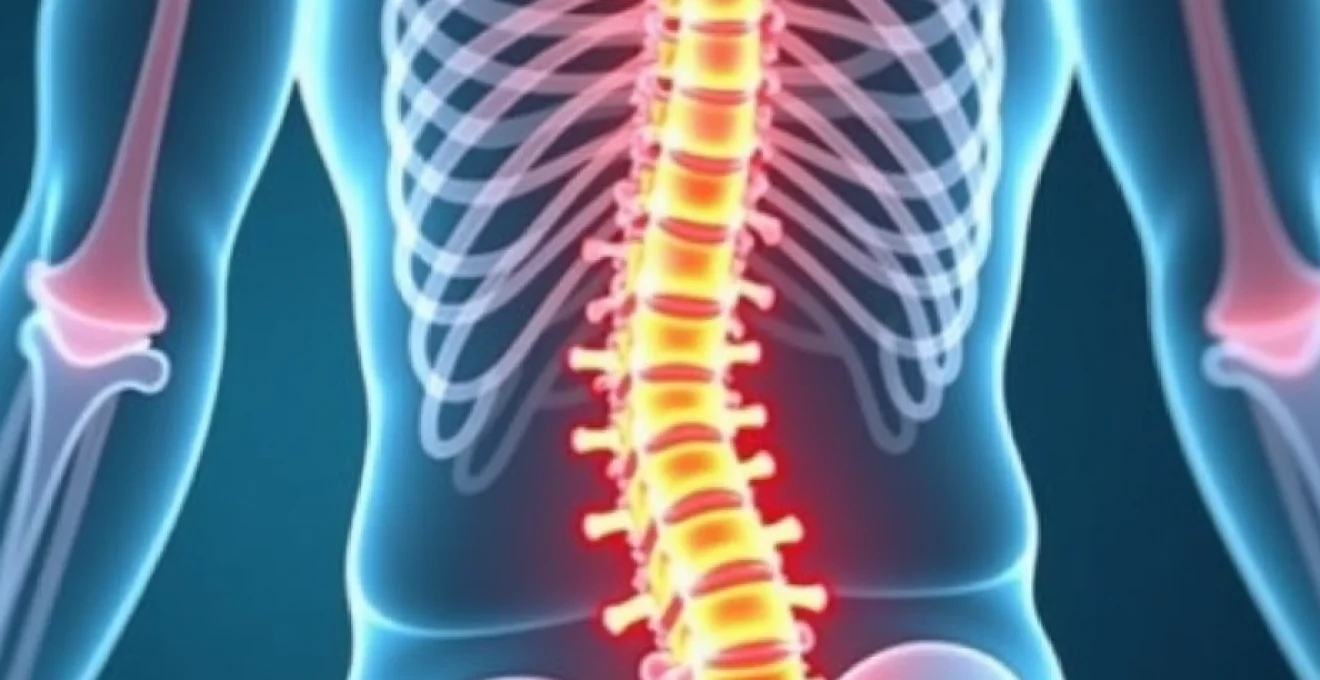
Chronic pain management has evolved significantly with the introduction of advanced implantable technologies that offer alternatives to traditional pharmaceutical approaches. Two leading interventions, intrathecal drug delivery systems (pain pumps) and spinal cord stimulation devices, represent sophisticated solutions for patients experiencing persistent neuropathic pain conditions. These technologies have transformed the landscape of pain medicine by providing targeted, adjustable, and reversible treatment options for conditions that previously offered limited therapeutic alternatives. Understanding the fundamental differences between these systems becomes crucial for healthcare professionals and patients considering advanced pain management strategies.
The selection between pain pumps and spinal cord stimulators depends on multiple factors including the underlying pathophysiology of pain, patient-specific characteristics, and long-term treatment objectives. Both systems require comprehensive evaluation, trial periods, and ongoing management protocols that distinguish them from conventional pain therapies. The complexity of these interventions necessitates careful consideration of technical specifications, patient selection criteria, and cost-effectiveness parameters to optimise treatment outcomes.
Intrathecal drug delivery systems: mechanism and clinical applications
Intrathecal drug delivery systems operate by administering pharmaceutical agents directly into the cerebrospinal fluid surrounding the spinal cord, bypassing systemic circulation and achieving targeted therapeutic concentrations at specific neuronal receptors. This targeted approach allows for significantly reduced dosing requirements compared to oral medications, typically requiring 1/300th the dose of systemically administered opioids to achieve equivalent analgesic effects. The mechanism capitalises on direct access to dorsal horn neurons, where pain processing occurs, enabling more precise modulation of nociceptive pathways.
Clinical applications for intrathecal systems encompass a broad spectrum of chronic pain conditions, including failed back surgery syndrome, complex regional pain syndrome, cancer-related pain, and spasticity disorders. The technology proves particularly effective for nociceptive and mixed pain states where traditional pharmacological approaches have demonstrated limited efficacy or intolerable side effects. Research indicates that approximately 70-80% of patients experience significant pain reduction following successful trial periods, with many achieving sustained relief for extended periods.
Morphine and ziconotide delivery through programmable pumps
Contemporary intrathecal systems utilise sophisticated programmable pumps capable of delivering multiple pharmaceutical agents with precise dosing algorithms. Morphine remains the gold standard for intrathecal opioid delivery, offering established efficacy profiles and extensive clinical experience spanning decades of use. The drug demonstrates excellent cerebrospinal fluid solubility and receptor binding characteristics that make it ideal for continuous infusion protocols.
Ziconotide represents a significant advancement in non-opioid intrathecal therapy, functioning as an N-type voltage-sensitive calcium channel blocker derived from the cone snail Conus magus . This agent provides potent analgesia without the tolerance, dependence, or respiratory depression associated with opioid medications. Clinical studies demonstrate that ziconotide can achieve substantial pain reduction in patients who have developed opioid tolerance or experience unacceptable side effects from morphine-based therapies.
Synchromed III and prometra II system specifications
The SynchroMed III system incorporates advanced microprocessor technology with a 40ml reservoir capacity and battery longevity extending up to seven years depending on programming parameters. This system features sophisticated flow rate capabilities ranging from 0.048ml to 24ml per day, accommodating diverse dosing requirements across different patient populations. The device includes comprehensive safety features such as automatic flow rate verification and programmable bolus delivery options that enhance therapeutic flexibility.
Prometra II systems offer alternative specifications with a 20ml reservoir and different programming capabilities suited to specific clinical applications. These systems incorporate proprietary valve technology that ensures consistent drug delivery accuracy regardless of patient positioning or activity levels. Both platforms support multiple drug combinations and complex dosing algorithms that can be adjusted remotely through external programming devices.
Catheter placement techniques for lumbar and thoracic access
Catheter positioning represents a critical determinant of therapeutic success, requiring precise anatomical targeting based on the patient’s pain distribution and underlying pathophysiology. Lumbar access typically involves placement at the L2-L3 or L3-L4 interspaces, providing optimal cerebrospinal fluid circulation patterns for systemic drug distribution. This approach proves particularly effective for lower extremity pain syndromes and pelvic pathology where drug rostral migration ensures adequate coverage of relevant neural structures.
Thoracic catheter placement offers advantages for upper extremity pain conditions, post-thoracotomy syndromes, and certain abdominal pain states. The technique requires enhanced technical expertise due to the narrower spinal canal dimensions and proximity to critical neural structures. Advanced imaging guidance, including fluoroscopy and sometimes computed tomography, ensures safe catheter advancement and optimal tip positioning for therapeutic drug distribution.
Refill protocols and drug concentration management
Systematic refill protocols ensure consistent drug delivery whilst minimising infection risks and maintaining therapeutic efficacy. Standard refill intervals typically range from 1-6 months depending on flow rate settings, reservoir capacity, and individual patient requirements. Each refill procedure involves strict aseptic techniques, careful drug preparation protocols, and comprehensive system interrogation to verify proper functionality.
Drug concentration management requires ongoing assessment of therapeutic requirements, side effect profiles, and patient response patterns. Concentration adjustments may involve transitioning between different pharmaceutical agents, implementing combination therapies, or modifying dosing algorithms to optimise pain control whilst minimising adverse effects. This dynamic process necessitates close collaboration between pain specialists, pharmacists, and patients to achieve optimal long-term outcomes.
Spinal cord stimulation technology: neurophysiology and device options
Spinal cord stimulation technology operates through complex neurophysiological mechanisms that modulate pain transmission at the spinal cord level, fundamentally altering the way nociceptive signals reach higher brain centres. The primary therapeutic effect occurs through activation of large-diameter A-beta fibres in the dorsal columns, which subsequently inhibit smaller pain-carrying C-fibres and A-delta fibres according to the gate control theory of pain. This selective activation creates a “gating” effect that effectively blocks pain signal transmission whilst preserving normal sensory function in most patients.
Modern spinal cord stimulation systems have evolved beyond traditional tonic stimulation patterns to incorporate sophisticated waveform technologies that enhance therapeutic efficacy whilst reducing unwanted paraesthesias. Contemporary devices offer multiple stimulation paradigms including burst stimulation, high-frequency stimulation, and closed-loop feedback systems that adapt to patient activity levels and physiological changes. These technological advances have expanded treatment applications to include conditions previously considered unsuitable for neurostimulation, such as chronic low back pain and certain types of visceral pain syndromes.
Gate control theory and dorsal column targeting
The gate control theory provides the foundational neurophysiological rationale for spinal cord stimulation effectiveness, proposing that activation of large myelinated fibres can inhibit transmission of pain signals carried by smaller unmyelinated fibres. This mechanism occurs primarily at the substantia gelatinosa in the dorsal horn, where interneurons modulate ascending pain pathways through both pre-synaptic and post-synaptic inhibition. Understanding these principles guides electrode placement strategies and programming parameters to maximise therapeutic benefit.
Dorsal column targeting focuses stimulation on the specific anatomical structures responsible for mediating the inhibitory effects on pain transmission. The dorsal columns contain ascending sensory pathways that, when electrically stimulated, produce both orthodromic and antidromic conduction patterns. These bidirectional signals activate multiple spinal cord circuits including wide dynamic range neurons, inhibitory interneurons, and descending modulatory pathways that collectively contribute to pain suppression.
Boston scientific spectra WaveWriter vs abbott BurstDR systems
The Boston Scientific Spectra WaveWriter system incorporates Multiple Independent Current Control (MICC) technology that enables independent programming of each electrode contact, providing unprecedented flexibility in shaping stimulation fields. This system supports up to 32 electrode combinations with current steering capabilities that allow precise targeting of neural structures whilst avoiding unwanted stimulation of adjacent areas. The platform includes proprietary algorithms that automatically optimise stimulation parameters based on patient feedback and physiological responses.
Abbott’s BurstDR technology represents a paradigm shift from traditional tonic stimulation by delivering intermittent bursts of high-frequency pulses designed to more closely mimic natural neural firing patterns. This approach has demonstrated superior efficacy in treating chronic low back pain compared to conventional stimulation methods, with clinical trials showing significant improvements in both pain scores and functional outcomes. The system incorporates advanced programming software that simplifies parameter adjustment whilst providing comprehensive therapy customisation options.
Paddle lead configuration versus percutaneous lead placement
Paddle lead configurations offer enhanced electrode contact surface area and improved stimulation coverage for complex pain distributions, particularly in cases requiring broad anatomical coverage or previously failed percutaneous systems. These leads require surgical laminectomy for placement but provide superior mechanical stability and reduced migration rates compared to percutaneous alternatives. Paddle leads prove especially beneficial for axial low back pain coverage, where broad stimulation fields across multiple dermatomes enhance therapeutic outcomes.
Percutaneous lead placement offers minimally invasive implantation through needle-guided techniques that reduce surgical trauma and recovery time. These systems utilise smaller diameter leads with cylindrical electrode designs that can be precisely positioned using fluoroscopic guidance. While percutaneous leads demonstrate higher migration rates, they provide excellent therapeutic outcomes for extremity pain conditions and offer the advantage of easier revision procedures if anatomical adjustments become necessary.
Closed-loop feedback and proprioceptive sensing algorithms
Closed-loop feedback systems represent the latest advancement in spinal cord stimulation technology, incorporating sensors that monitor physiological parameters and automatically adjust stimulation parameters in real-time. These systems utilise algorithms that detect changes in patient posture, activity levels, and neural responses to optimise therapy delivery throughout daily activities. The technology addresses the common challenge of stimulation intensity variations that occur with postural changes and physical activity.
Proprioceptive sensing algorithms analyse compound action potentials and other neural signals to provide objective measures of stimulation effectiveness. This approach moves beyond subjective patient reporting to incorporate quantifiable physiological data that can guide programming decisions and therapy optimisation. Research indicates that closed-loop systems demonstrate improved patient satisfaction and reduced therapy adjustments compared to conventional open-loop stimulation platforms.
Patient selection criteria and diagnostic requirements
Appropriate patient selection represents the most critical factor determining long-term success with implantable pain management technologies. Comprehensive evaluation protocols must assess not only the underlying pain pathophysiology but also psychological factors, social circumstances, and realistic treatment expectations that influence therapeutic outcomes. The selection process typically requires multidisciplinary assessment involving pain specialists, psychologists, and sometimes neurosurgeons or orthopaedic surgeons to ensure optimal treatment matching.
Diagnostic requirements encompass detailed pain mapping, functional assessment, and often advanced imaging studies to characterise the underlying pathology and predict device effectiveness. Psychological screening becomes particularly important given the complexity of chronic pain conditions and their impact on mental health, cognition, and coping mechanisms. Studies demonstrate that patients with untreated depression, anxiety disorders, or unrealistic treatment expectations show significantly lower success rates with implantable technologies.
For intrathecal drug delivery systems, ideal candidates typically present with nociceptive or mixed pain conditions that have demonstrated responsiveness to opioid medications but require unacceptably high systemic doses. Spinal cord stimulation candidates more commonly present with neuropathic pain conditions, particularly those involving extremity distribution or failed back surgery syndrome. The distinction becomes crucial as the underlying pain mechanisms directly influence device selection and expected therapeutic outcomes.
Clinical guidelines suggest that patients should have exhausted conservative treatment options including medications, physical therapy, and appropriate surgical interventions before considering implantable pain management technologies.
Contraindications for both technologies include active infection, coagulopathy, and certain psychiatric conditions that may impair informed consent or device compliance. Additionally, patients with significant cardiac conditions may require specialised evaluation before spinal cord stimulator implantation due to potential electromagnetic interference with pacemakers or defibrillators. The evaluation process must also consider patient lifestyle factors, occupational requirements, and social support systems that influence long-term device management and success.
Surgical implantation procedures: technical considerations
Surgical implantation procedures for both pain pumps and spinal cord stimulators require meticulous attention to technical details that directly impact long-term device function and patient outcomes. These procedures typically occur in specialised operating environments with advanced imaging capabilities, sterile technique protocols, and equipment for intraoperative device testing. The complexity of implantation varies significantly between the two technologies, with intrathecal pumps generally requiring more extensive surgical exposure and spinal cord stimulators often amenable to minimally invasive techniques.
Intrathecal pump implantation involves creating a subcutaneous pocket, typically in the lower abdomen, sized appropriately to accommodate the device whilst minimising cosmetic impact and mechanical complications. The procedure requires careful attention to pocket depth, ensuring adequate tissue coverage whilst avoiding excessive tension on overlying skin. Catheter routing from the intrathecal space to the pump location demands precise tunnelling techniques that minimise infection risk whilst maintaining catheter integrity throughout the patient’s expected lifespan.
Spinal cord stimulator implantation procedures vary considerably depending on lead configuration and target anatomy. Percutaneous lead placement utilises minimally invasive techniques with local anaesthetic and conscious sedation, enabling real-time patient feedback during lead positioning and stimulation testing. Paddle lead implantation requires general anaesthesia and surgical exposure of the epidural space through laminectomy or laminotomy approaches. Both techniques demand precise electrode positioning guided by anatomical landmarks, fluoroscopic imaging, and often intraoperative stimulation testing to ensure optimal coverage of pain areas.
Intraoperative complications can occur with both technologies, requiring surgeons to maintain expertise in troubleshooting techniques and alternative approaches. Common challenges include cerebrospinal fluid leaks during intrathecal catheter placement, lead migration during spinal cord stimulator insertion, and device malfunction during initial testing. Successful outcomes depend on thorough preoperative planning, appropriate patient positioning, and comprehensive intraoperative testing protocols that verify proper system function before closure.
Long-term management protocols and complication profiles
Long-term management of implantable pain devices requires structured protocols that address routine maintenance, complication recognition, and therapy optimisation throughout the device lifespan. These protocols must account for the distinct maintenance requirements of each technology whilst providing frameworks for managing both device-related and patient-related factors that influence therapeutic success. Regular follow-up schedules typically involve more frequent visits during the initial months following implantation, transitioning to maintenance intervals that align with device specifications and patient stability.
Intrathecal drug delivery systems require systematic refill protocols that maintain therapeutic drug concentrations whilst minimising infection risks and ensuring device longevity. Refill procedures involve strict aseptic techniques, careful drug preparation, and comprehensive system interrogation to detect potential complications before they become clinically significant. Pump rotor stall , catheter occlusion, and drug precipitation represent specific complications that require specialised management approaches and sometimes surgical intervention.
Spinal cord stimulation systems necessitate different management approaches focused on programming optimisation, lead integrity monitoring, and battery management. These devices typically require periodic programming adjustments to maintain therapeutic efficacy as patient condition evolves or tolerance develops to specific stimulation parameters. Lead fracture, migration, and infection represent the most common complications requiring intervention, with revision rates varying significantly based on lead type, implantation technique, and patient factors.
| Complication Type | Pain Pump Incidence | SCS Incidence | Management Approach |
|---|---|---|---|
| Infection | 2-5% | 3-7% | Antibiotic therapy, possible explantation |
| Device Migration | 1-2% | 5-15% | Surgical revision, lead repositioning |
| Cerebrospinal Fluid Leak | 3-8% | 1-3% | Conservative management, blood patch |
| Hardware Failure | 2-4% | 1-3% | Device replacement, warranty consideration |
Psychological factors continue to play significant roles in long-term outcomes, requiring ongoing assessment and intervention when necessary. Patients may develop unrealistic expectations, medication-seeking behaviours, or depression related to incomplete pain relief that impacts overall treatment success. Multidisciplinary management approaches that incorporate psychological support, physical therapy, and medication management optimise long-term outcomes whilst addressing the complex biopsychosocial aspects of chronic pain conditions.
Cost-effectiveness analysis and insurance coverage parameters
Cost-effectiveness considerations for implantable pain management technologies encompass both direct medical costs an
d indirect costs associated with these technologies over extended time periods. Initial implantation costs typically range from £15,000 to £30,000 for complete systems including device hardware, surgical procedures, and initial programming sessions. However, these upfront investments must be evaluated against the long-term costs of alternative treatments including chronic opioid prescriptions, repeated interventional procedures, and disability-related expenses.Studies demonstrate that both technologies achieve cost-effectiveness within 2-3 years for appropriate patient populations, primarily through reduced medication costs and improved functional capacity. Intrathecal drug delivery systems show particular cost advantages for patients requiring high-dose opioid therapy, where the dramatic dose reduction achieved through targeted delivery translates to substantial pharmaceutical savings. Spinal cord stimulation demonstrates cost-effectiveness through reduced healthcare utilisation, decreased emergency department visits, and improved work productivity among suitable candidates.Insurance coverage parameters vary significantly between different healthcare systems and individual policies, requiring careful preauthorisation processes that document medical necessity and treatment failure of conservative alternatives. Most insurance providers require comprehensive documentation including failed conservative treatments, psychological evaluation, and successful trial periods before approving permanent device implantation. The coverage approval process typically takes 2-6 weeks and may require additional peer review for complex cases or high-risk patients.Long-term economic considerations must account for device longevity, maintenance costs, and potential revision procedures that impact overall cost-effectiveness calculations. Intrathecal pumps typically require replacement every 5-7 years due to battery depletion, whilst spinal cord stimulators may last 8-12 years depending on usage patterns and technological specifications. These replacement costs, combined with ongoing maintenance expenses, influence the long-term economic viability of each technology for individual patients.The economic impact extends beyond direct medical costs to include productivity improvements, reduced caregiver burden, and enhanced quality of life measures that provide substantial societal benefits. Patients achieving successful pain management often demonstrate improved work attendance, reduced disability claims, and decreased utilisation of other healthcare resources. These broader economic benefits support the cost-effectiveness arguments for implantable pain technologies whilst highlighting their role in comprehensive chronic pain management strategies.Healthcare systems increasingly recognise the value proposition of these technologies when appropriately applied to suitable patient populations. Economic models consistently demonstrate positive cost-benefit ratios for patients who achieve significant pain reduction and functional improvement following device implantation. The key to realising these economic benefits lies in careful patient selection, appropriate device matching, and comprehensive long-term management protocols that maximise therapeutic outcomes whilst minimising complications and revision procedures.