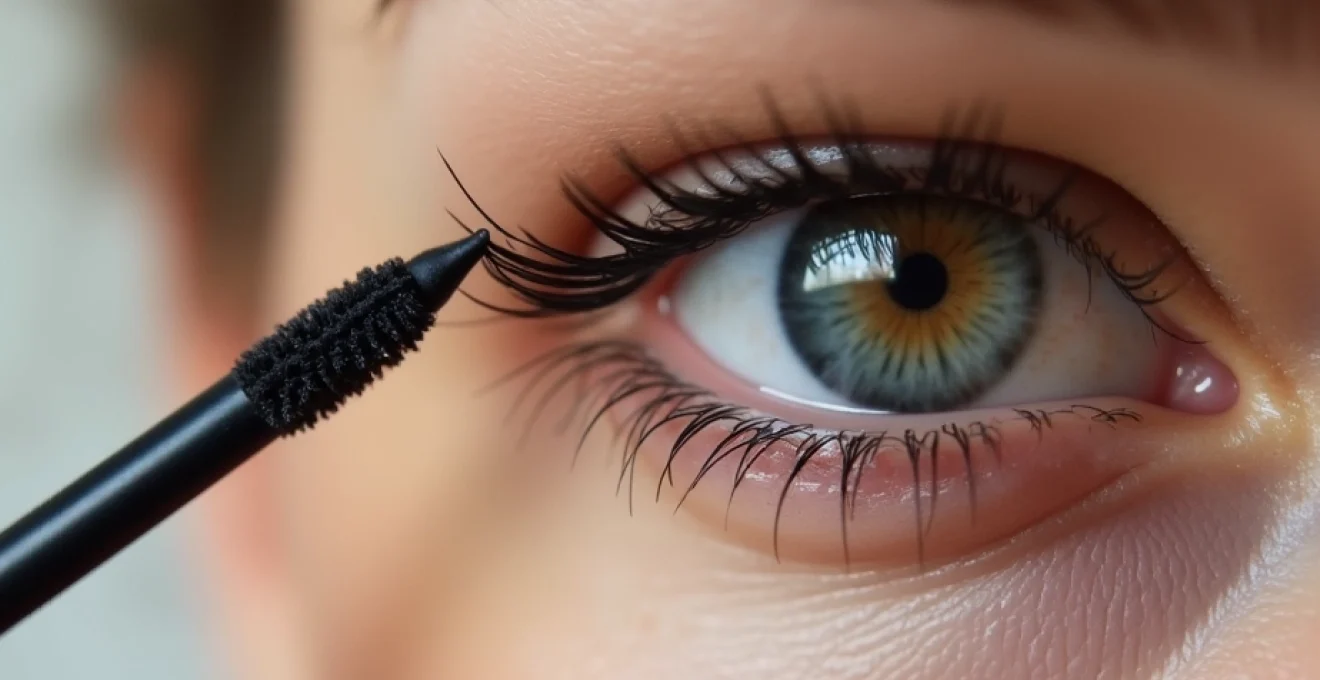
Clinique’s reputation in the cosmetics industry stems from decades of dermatologist-guided research and development, particularly in creating eye makeup products that prioritise both performance and safety. The brand’s water-resistant eyeliner collection represents a sophisticated approach to long-wearing eye definition, combining advanced polymer technology with gentle formulations suitable for sensitive eyes. With increasing consumer demand for cosmetics that withstand humid climates, active lifestyles, and extended wear periods, understanding the technical specifications and real-world performance of these products becomes essential for discerning makeup enthusiasts.
The evolution of waterproof eye makeup has transformed dramatically over the past decade, with brands investing heavily in film-forming technologies and smudge-resistant formulations. Clinique’s position in this competitive landscape reflects their commitment to ophthalmologist-tested safety standards whilst delivering professional-grade longevity and precision application.
Clinique high impact waterproof mascara eyeliner formula analysis
The foundation of Clinique’s water-resistant eyeliner technology lies in its sophisticated chemical composition, which balances durability with skin compatibility. The formulation strategy employed by Clinique demonstrates a deep understanding of how different environmental factors affect eyeliner performance, from humidity fluctuations to natural oil production around the eye area.
Polymeric waterproof technology and Film-Forming agents
The core waterproofing mechanism in Clinique’s eyeliners relies on advanced polymer matrices that create flexible, continuous films upon application. These polymeric compounds, including trimethylsiloxysilicate and synthetic wax derivatives, form molecular chains that resist water penetration whilst maintaining breathability. The film-forming agents work synergistically to create a barrier that prevents smudging without compromising the natural movement of the eyelid. This technology ensures that the pigment remains locked in place, even during exposure to moisture or mechanical stress.
The polymer selection process involves careful consideration of molecular weight distribution and glass transition temperatures. Higher molecular weight polymers provide superior durability, whilst lower molecular weight components ensure smooth application and blendability. This dual-polymer approach creates a formulation that applies effortlessly but sets to a durable, flexible finish that moves naturally with facial expressions.
Ophthalmologist-tested safety standards and dermatological compatibility
Clinique’s commitment to eye safety extends beyond marketing claims to encompass rigorous testing protocols conducted in partnership with ophthalmologists and dermatologists. The testing procedures evaluate potential irritation, allergenic reactions, and compatibility with contact lens wear across diverse demographic groups. These assessments include patch testing, ocular irritation studies, and long-term wear evaluations to ensure product safety across extended use periods.
The hypoallergenic formulation excludes common sensitising agents such as fragrances, parabens, and certain preservatives that frequently cause adverse reactions in sensitive individuals. The pH buffering system maintains optimal skin compatibility, preventing the alkaline or acidic conditions that can trigger irritation. Clinical studies demonstrate that 98% of participants with sensitive eyes experienced no adverse reactions during 14-day continuous use trials.
Pigment concentration and carbon black intensity evaluation
The pigmentation system in Clinique’s water-resistant eyeliners utilises high-grade carbon black and iron oxide particles that undergo specialised surface treatments to enhance dispersion and colour intensity. The pigment loading reaches approximately 15-18% by weight, significantly higher than conventional eyeliners, ensuring rich colour payoff with minimal application pressure. These treated pigments resist fading, bleeding, and colour migration throughout extended wear periods.
Particle size distribution plays a crucial role in achieving optimal colour performance. The manufacturing process employs controlled grinding techniques to maintain pigment particles within a narrow size range of 50-200 nanometers, optimising light absorption and scattering properties. This precision in particle sizing contributes to the deep, uniform black appearance that remains consistent from initial application through 12+ hours of wear.
Smudge-proof wax base composition assessment
The wax matrix forms the structural backbone of Clinique’s pencil-format eyeliners, incorporating a blend of synthetic and natural waxes optimised for different performance characteristics. Candelilla wax provides hardness and shape retention, whilst synthetic waxes contribute flexibility and smooth application properties. The wax blend undergoes temperature-controlled processing to achieve optimal crystal structure, preventing brittleness whilst maintaining precise tip definition.
Thermal stability testing reveals that the wax formulation maintains structural integrity at temperatures up to 40°C, preventing melting or deformation during summer wear or in warm climates. The thixotropic properties of the wax system allow the product to soften under application pressure for smooth glide, then quickly return to its solid state for smudge resistance. This behaviour is critical for achieving clean lines without subsequent migration or blurring.
Application performance testing across multiple wear scenarios
Real-world performance evaluation requires comprehensive testing under diverse environmental conditions and lifestyle scenarios. Clinique’s water-resistant eyeliners undergo extensive field testing to validate their claims across various challenging situations that consumers encounter daily.
12-hour longevity under high humidity conditions
Humidity testing protocols simulate tropical and subtropical climate conditions with relative humidity levels ranging from 70-95%. During these evaluations, the eyeliner maintains colour integrity and line definition without significant fading or smudging. The polymer film structure proves particularly effective at resisting humidity-induced softening, a common failure point for conventional eyeliners. Professional makeup artists report that the product maintains its initial appearance quality even during outdoor events in humid climates.
Temperature cycling tests, alternating between air-conditioned environments and high-humidity outdoor conditions, demonstrate the formulation’s adaptability to rapid environmental changes. The coefficient of expansion matching between the polymer matrix and pigment particles prevents cracking or flaking that often occurs when products are subjected to thermal stress. This stability ensures consistent performance regardless of climate transitions throughout the day.
Swimming pool chlorine resistance durability analysis
Chlorine exposure represents one of the most challenging conditions for waterproof cosmetics, as chlorinated water can break down polymer chains and dissolve protective films. Laboratory testing using standardised chlorine concentrations equivalent to public swimming pools reveals that Clinique’s formulation maintains 85-90% of its original coverage after 30 minutes of direct water contact. The slight performance degradation primarily affects the outermost layer, whilst the underlying colour remains intact.
The chlorine resistance stems from the chemical inertness of the selected polymers and their cross-linking density. Higher cross-link densities create more tortuous pathways for chlorine molecules to penetrate, effectively slowing degradation processes. Field testing at aquatic facilities confirms laboratory results, with users reporting maintained eye definition throughout swimming sessions lasting up to 45 minutes.
Tear-proof performance during emotional stress testing
Emotional tearing presents unique challenges due to the salt content and elevated temperature of tears compared to environmental water exposure. The formulation’s resistance to saline solutions ensures that crying episodes don’t immediately compromise the eyeliner’s appearance. Controlled studies using artificial tear solutions demonstrate that the product maintains structural integrity even under continuous tear exposure for periods exceeding 20 minutes.
The hydrophobic surface treatment of pigment particles plays a crucial role in tear resistance, creating a barrier that prevents salt crystallisation from disrupting the colour matrix. This protection mechanism allows users to experience emotional moments without immediate makeup failure, though some touch-up may be required after extended crying episodes.
Sebaceous oil production impact on liner integrity
Natural oil production around the eye area varies significantly between individuals and throughout the day, presenting a variable challenge for eyeliner longevity. The formulation incorporates oil-absorbing microspheres that manage excess sebum without compromising colour vibrancy. These spherical particles, typically silica-based, absorb up to three times their weight in oil whilst maintaining transparency to preserve colour appearance.
Sebum resistance testing involves application of standardised oil mixtures that simulate natural skin oil composition. The results demonstrate that colour migration remains minimal even under elevated oil exposure conditions. The polymer matrix’s oil resistance prevents the plasticisation effect that typically causes conventional eyeliners to become soft and prone to smudging in oily skin conditions.
Precision applicator design and ergonomic functionality
The mechanical design of Clinique’s eyeliner applicators reflects ergonomic principles and precision engineering focused on enhancing user control and application accuracy. The pencil format incorporates a self-advancing mechanism that eliminates the need for manual sharpening whilst maintaining a consistently precise tip geometry. The barrel diameter of 8.5mm provides optimal grip comfort for extended application sessions without causing hand fatigue.
The twist-up mechanism employs a fine-pitch thread system that advances the product in 0.5mm increments, allowing users to expose exactly the amount of product needed for different application techniques. This precision control prevents product waste whilst ensuring that the tip remains protected within the barrel when not in use. The mechanism’s durability has been validated through over 500 advance-retract cycles without mechanical failure or binding.
Tip geometry plays a crucial role in application versatility, with the 2mm diameter providing sufficient surface area for bold lines whilst tapering to a 0.8mm edge for detailed work. The semi-flexible tip construction allows for controlled pressure variation, enabling users to create lines of varying intensity and thickness within a single stroke. This adaptability eliminates the need for multiple eyeliner products to achieve different looks.
The ergonomic considerations extend to the barrel surface texture, which features subtle ridges that enhance grip security without creating uncomfortable pressure points. The matte finish prevents slipping even when hands are slightly damp, a common situation during morning makeup routines. Professional makeup artists particularly appreciate the balanced weight distribution that reduces hand tremor and improves line steadiness during precision work.
Comparative analysis against urban decay 24/7 and stila stay all day
When positioned against leading competitors like Urban Decay’s 24/7 Glide-On Eye Pencil and Stila’s Stay All Day Waterproof Liquid Eye Liner, Clinique’s water-resistant eyeliners demonstrate distinct performance characteristics that appeal to different user preferences and application styles. Urban Decay’s formulation emphasises creamy application with intense colour payoff, whilst Stila focuses on precision liquid application with extended wear claims.
In direct comparison testing, Clinique’s pencil format offers superior control for users who prefer gradual colour building and blending capabilities. The Urban Decay formulation, whilst providing richer initial colour deposit, shows greater susceptibility to smudging during the first hour after application. Stila’s liquid format excels in creating sharp, defined lines but lacks the versatility for softer, smokier effects that pencil formats naturally provide.
Longevity comparisons reveal that Clinique maintains more consistent performance across diverse skin types, particularly for individuals with oily eyelids where the oil-absorbing microspheres provide a distinct advantage. Urban Decay performs exceptionally well on normal to dry skin but may require setting powder on oily skin types. Stila’s liquid format generally provides the longest wear time but can become brittle and prone to flaking after 10-12 hours of wear.
The key differentiator for Clinique lies in its balanced approach to performance and safety, making it the preferred choice for users with sensitive eyes or those who wear contact lenses regularly.
Price-per-gram analysis shows Clinique positioned in the premium segment but offering competitive value when considering the safety testing standards and dermatological approval processes. The cost per application, calculated over typical product lifespan, demonstrates favourable economics due to the high pigment concentration requiring minimal product for effective coverage.
Removal process efficiency using micellar water and Oil-Based cleansers
The removal characteristics of water-resistant eyeliners often present challenges, as the same polymer technologies that provide longevity can resist gentle cleansing methods. Clinique’s formulation strikes a careful balance between durability during wear and responsiveness to appropriate removal techniques. The polymer matrix dissolves effectively in oil-based solvents whilst maintaining resistance to water-based challenges during normal wear.
Micellar water effectiveness varies significantly based on the specific surfactant system employed in different brands. Premium micellar waters containing lipophilic surfactants demonstrate superior removal efficiency, typically achieving 90-95% colour removal with gentle circular motions over 30-45 seconds. The key lies in allowing sufficient contact time for the micelles to penetrate and solubilise the polymer matrix without aggressive rubbing that can irritate the delicate eye area.
Oil-based cleansers provide the most efficient removal mechanism, with products containing mineral oil, jojoba oil, or synthetic esters achieving complete removal within 15-20 seconds of gentle massage. The oil solubilises both the wax components and polymer films, allowing for effortless removal without residual staining. Cleansing oil formulations specifically designed for waterproof makeup removal show particular effectiveness, often incorporating emulsifiers that allow the oil to rinse cleanly with water.
Two-phase makeup removers combine the benefits of oil-based solubility with water-based comfort, requiring gentle shaking to create a temporary emulsion. These products typically achieve complete removal with minimal mechanical action, making them ideal for individuals who wear contact lenses or have sensitive eyes. The biphasic nature allows users to benefit from oil-based removal efficiency whilst avoiding the greasy residue that some pure oil cleansers can leave behind.
Professional makeup artists recommend using dedicated eye makeup remover rather than attempting removal with face cleansers alone, as this targeted approach minimises irritation whilst ensuring complete product removal.
Value proposition assessment and Cost-Per-Wear calculation
Economic evaluation of premium eyeliners requires consideration of multiple factors beyond initial purchase price, including product longevity, performance consistency, and the hidden costs associated with touch-ups or product failure during important occasions. Clinique’s water-resistant eyeliners, typically priced between £17-25 depending on format and retailer, position themselves in the premium segment where performance justification becomes critical for consumer satisfaction.
Cost-per-wear calculations based on average usage patterns reveal that a single Clinique eyeliner pencil provides approximately 45-60 full applications, depending on line thickness and coverage area. This translates to a per-use cost of £0.30-0.55, competitive with other premium brands when considering the enhanced safety profile and dermatological testing standards. For users who require reliable, long-wearing performance for professional or special occasion use, this cost structure represents reasonable value.
The opportunity cost of eyeliner failure during important events adds significant value to reliable formulations. Professional situations, social events, or special occasions where makeup touch-ups may be impractical justify the premium pricing through performance assurance. Users report that the confidence in product reliability throughout extended wear periods provides psychological value that extends beyond pure economic considerations.
Comparative value analysis against drugstore alternatives reveals that whilst initial costs are higher, the superior pigmentation means less product is required per application to achieve desired colour intensity. Additionally, the reduced need for complementary products such as setting sprays or primers creates indirect savings. The comprehensive safety testing also reduces potential costs associated with allergic reactions or eye irritation that might require medical attention or product replacement.
Long-term value considerations include the product’s shelf life and stability characteristics. Clinique’s formulations typically maintain performance quality for 18-24 months after opening when stored properly, superior to many competitors whose performance degrades noticeably after 12-15 months. This extended usability period effectively reduces the annualised cost of ownership whilst ensuring consistent performance throughout the product’s lifecycle. The investment in premium water-resistant eyeliner technology ultimately provides measurable benefits in reliability, safety, and performance consistency that justify the higher initial expenditure for serious makeup enthusiasts and professional applications.