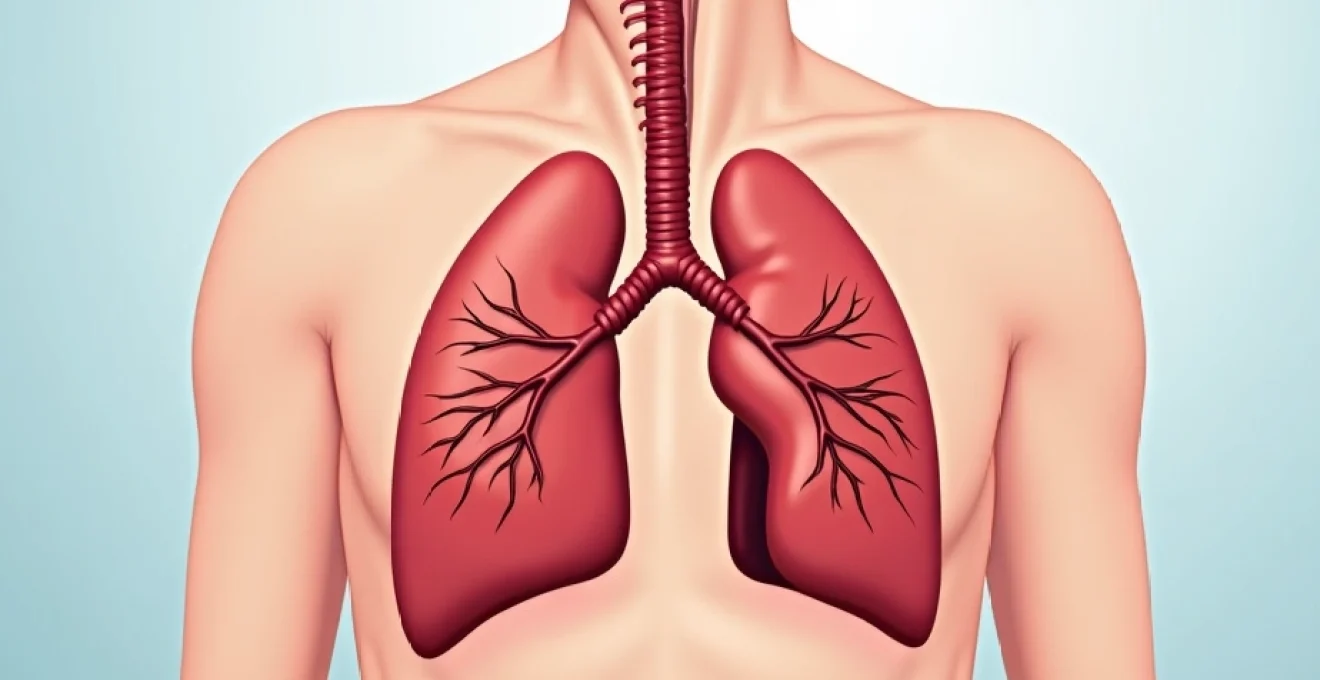
The intricate relationship between thyroid function and respiratory symptoms often remains unrecognised until patients experience significant discomfort. Thyroid disorders, affecting approximately 6% of the population, can manifest through various cardiovascular and pulmonary symptoms that mimic primary respiratory or cardiac conditions. When the butterfly-shaped thyroid gland at the base of the neck malfunctions, it triggers a cascade of physiological changes that directly impact breathing patterns, chest sensations, and overall respiratory function.
Both hyperthyroidism and hypothyroidism present unique challenges to the respiratory system through distinct pathophysiological mechanisms. Understanding these connections proves crucial for healthcare practitioners and patients alike, as thyroid-related respiratory symptoms frequently serve as the initial presentation of underlying endocrine dysfunction. The complexity of these manifestations requires careful evaluation to distinguish between primary pulmonary disease and secondary effects of thyroid hormone imbalances.
Thyroid-induced respiratory symptoms: hyperthyroidism and hypothyroidism mechanisms
Thyroid hormones exert profound effects on multiple organ systems, with the respiratory system being particularly sensitive to fluctuations in thyroid function. The relationship between thyroid dysfunction and breathing difficulties involves complex interactions between hormonal regulation, muscle function, and cardiovascular responses that ultimately affect oxygen delivery and carbon dioxide elimination.
Thyroxine (T4) and triiodothyronine (T3) effects on cardiovascular function
The primary thyroid hormones, thyroxine (T4) and triiodothyronine (T3), regulate cellular metabolism and energy production throughout the body. In hyperthyroid states, excessive hormone levels accelerate metabolic processes, increasing oxygen consumption and carbon dioxide production. This metabolic acceleration forces the cardiovascular system to work harder, often resulting in tachycardia, increased cardiac output, and elevated blood pressure that patients experience as chest tightness and breathlessness.
Conversely, hypothyroidism creates the opposite scenario where reduced thyroid hormone levels slow metabolic processes. The decreased metabolic rate affects respiratory muscle strength and endurance, leading to diminished ventilatory capacity. Patients with hypothyroidism frequently report exercise intolerance and shortness of breath during activities that previously caused no difficulty, reflecting the underlying respiratory muscle weakness.
Thyroid storm impact on pulmonary oedema development
Thyroid storm represents the most severe manifestation of hyperthyroidism, characterised by extremely elevated thyroid hormone levels that can precipitate life-threatening complications. During thyroid storm, the dramatic increase in metabolic demands creates a mismatch between oxygen supply and demand, potentially leading to high-output cardiac failure. This cardiac dysfunction can progress to pulmonary oedema , where fluid accumulates in the lung tissues, causing severe dyspnoea and chest tightness.
The pathophysiology involves increased cardiac output combined with elevated pulmonary pressures, overwhelming the lung’s ability to maintain proper fluid balance. Patients experiencing thyroid storm may develop acute respiratory distress requiring immediate medical intervention, including supplemental oxygen and diuretic therapy to manage fluid overload.
Myxoedema and pleural effusion correlation in severe hypothyroidism
Severe hypothyroidism, particularly myxoedema, can lead to pleural effusion development through altered capillary permeability and reduced lymphatic drainage. The accumulation of protein-rich fluid in the pleural space occurs due to increased vascular permeability caused by thyroid hormone deficiency. These effusions typically contain high protein concentrations and may be bilateral, though they rarely cause massive fluid accumulation.
Patients with hypothyroid-related pleural effusions often present with progressive dyspnoea, particularly when lying flat, and may experience chest discomfort. The mechanism involves thyroid hormone’s role in maintaining normal capillary integrity and fluid balance, with deficiency leading to increased fluid extravasation into tissue spaces.
Hashimoto’s thyroiditis inflammatory response affecting respiratory muscles
Hashimoto’s thyroiditis, the most common cause of hypothyroidism in developed countries, involves autoimmune destruction of thyroid tissue. The chronic inflammatory process associated with this condition can extend beyond the thyroid gland, potentially affecting respiratory muscles through systemic inflammatory mediators. This inflammatory component adds complexity to the respiratory symptoms experienced by patients with autoimmune thyroid disease.
The combination of thyroid hormone deficiency and chronic inflammation can significantly impact diaphragmatic function and accessory respiratory muscle strength. Patients may experience not only the typical hypothyroid symptoms but also enhanced respiratory muscle fatigue and reduced exercise tolerance due to the inflammatory burden on muscle tissue.
Pathophysiology of Thyrotoxicosis-Related chest tightness and dyspnoea
Thyrotoxicosis creates a hypermetabolic state that dramatically alters cardiovascular and respiratory physiology. The excessive circulating thyroid hormones trigger multiple compensatory mechanisms that often overwhelm the body’s ability to maintain homeostasis, resulting in characteristic symptoms of chest tightness and breathing difficulties.
Beta-adrenergic receptor hyperstimulation in graves’ disease
Graves’ disease, the most common cause of hyperthyroidism, involves thyroid-stimulating immunoglobulins that activate the thyroid gland continuously. The resulting excess thyroid hormones increase tissue sensitivity to catecholamines and enhance beta-adrenergic receptor expression throughout the cardiovascular system. This hyperstimulation creates a state similar to excessive adrenaline exposure, manifesting as palpitations, chest tightness, and the sensation of air hunger.
The beta-adrenergic hyperstimulation affects both cardiac and pulmonary function, increasing heart rate while potentially causing bronchodilation. However, the overall effect typically results in respiratory distress due to the mismatch between increased metabolic demands and the cardiovascular system’s ability to deliver adequate oxygen to tissues.
Increased cardiac output and oxygen demand mechanisms
Hyperthyroidism dramatically increases cardiac output through multiple mechanisms, including increased heart rate, enhanced contractility, and reduced peripheral vascular resistance. While this might seem beneficial, the increased cardiac output often cannot keep pace with the dramatically elevated tissue oxygen demands created by the hypermetabolic state. This oxygen supply-demand mismatch manifests as dyspnoea and chest discomfort, particularly during physical exertion.
The metabolic rate can increase by 60-100% in severe hyperthyroidism, creating oxygen requirements that exceed the cardiovascular system’s compensatory capacity. Patients often describe feeling breathless even at rest, with symptoms worsening significantly during minimal physical activity. This pathophysiology explains why thyrotoxic patients may experience severe exercise intolerance despite having increased cardiac output.
Thyroid-associated cardiomyopathy and heart failure symptoms
Chronic hyperthyroidism can lead to thyroid-associated cardiomyopathy, characterised by left ventricular dilation and reduced ejection fraction. This form of high-output heart failure develops when the sustained increased cardiac workload overwhelms the heart’s compensatory mechanisms. Patients develop classic heart failure symptoms, including orthopnoea, paroxysmal nocturnal dyspnoea, and chest tightness.
The cardiomyopathy typically reverses with successful treatment of hyperthyroidism, but during the active phase, patients may require heart failure management alongside antithyroid therapy. The combination of increased metabolic demands and reduced cardiac efficiency creates particularly severe respiratory symptoms that require comprehensive management.
Atrial fibrillation secondary to hyperthyroidism causing breathlessness
Atrial fibrillation occurs in approximately 10-25% of patients with hyperthyroidism, representing one of the most significant cardiovascular complications. The irregular heart rhythm reduces cardiac efficiency, leading to decreased stroke volume and compromised tissue perfusion. This arrhythmia-induced cardiac dysfunction manifests as chest tightness, palpitations, and dyspnoea that may be more prominent than other thyrotoxic symptoms.
The loss of atrial contribution to ventricular filling, combined with irregular ventricular response rates, creates significant haemodynamic compromise. Patients often describe chest fluttering accompanied by breathlessness, particularly during physical activity when the demand for increased cardiac output cannot be met effectively due to the irregular rhythm.
Diagnostic approaches for Thyroid-Related respiratory distress
Accurate diagnosis of thyroid-related respiratory symptoms requires systematic evaluation combining clinical assessment, laboratory testing, and appropriate imaging studies. The challenge lies in distinguishing primary thyroid dysfunction from other causes of dyspnoea while recognising that multiple pathologies may coexist in complex patients.
Thyroid function tests: TSH, free T4, and free T3 interpretation
Comprehensive thyroid function assessment begins with thyroid-stimulating hormone (TSH) measurement, followed by free thyroxine (T4) and free triiodothyronine (T3) levels when indicated. In patients presenting with respiratory symptoms, TSH serves as the most sensitive screening test, with suppressed levels (<0.1 mIU/L) suggesting hyperthyroidism and elevated levels (>10 mIU/L) indicating significant hypothyroidism.
Early detection of thyroid dysfunction through appropriate laboratory testing can prevent progression to severe complications requiring emergency intervention.
Free T4 and T3 measurements provide essential information about the severity of thyroid dysfunction and guide treatment decisions. In thyrotoxicosis with respiratory symptoms, T3 levels may be disproportionately elevated compared to T4, a pattern called T3 toxicosis that can cause severe cardiovascular and respiratory manifestations despite normal or only mildly elevated T4 levels.
Echocardiography assessment for thyrotoxic heart disease
Echocardiography plays a crucial role in evaluating cardiac function in patients with thyroid-related respiratory symptoms. The assessment should include left ventricular function, wall motion abnormalities, and evidence of pulmonary hypertension or heart failure. In hyperthyroid patients, echocardiography typically reveals hyperdynamic cardiac function with increased ejection fraction initially, potentially progressing to dilated cardiomyopathy in severe or chronic cases.
Specific echocardiographic findings in thyrotoxic heart disease include increased left ventricular mass, enlarged cardiac chambers, and elevated cardiac output measurements. These findings help differentiate thyroid-related cardiac dysfunction from primary heart disease and guide appropriate therapeutic interventions.
Chest X-Ray findings in Thyroid-Associated cardiac complications
Chest radiography provides valuable information about potential cardiac and pulmonary complications of thyroid dysfunction. In hyperthyroid patients, chest X-rays may reveal cardiomegaly, pulmonary vascular congestion, or frank pulmonary oedema in severe cases. The cardiac silhouette typically shows left ventricular enlargement with prominent pulmonary vasculature reflecting increased cardiac output.
Hypothyroid patients may demonstrate pleural effusions, typically small and bilateral, along with possible pericardial effusion in severe cases. The combination of pleural and pericardial effusions should raise suspicion for severe hypothyroidism, particularly myxoedema, requiring urgent thyroid hormone replacement therapy.
Pulmonary function tests in hypothyroid respiratory muscle weakness
Pulmonary function testing can reveal important abnormalities in patients with thyroid dysfunction, particularly hypothyroidism. These tests typically show reduced respiratory muscle strength with decreased maximal inspiratory and expiratory pressures. The forced vital capacity and total lung capacity may also be reduced due to respiratory muscle weakness and reduced chest wall compliance.
In severe hypothyroidism, pulmonary function tests may reveal restrictive patterns with reduced diffusion capacity, reflecting both respiratory muscle weakness and potential interstitial changes. Serial pulmonary function testing during thyroid hormone replacement therapy can demonstrate improvement in respiratory muscle strength and overall lung function as thyroid status normalises.
Clinical manifestations: differentiating Thyroid-Induced from primary respiratory conditions
Distinguishing thyroid-related respiratory symptoms from primary pulmonary disease requires careful attention to clinical patterns and associated symptoms. Thyroid dysfunction rarely presents with isolated respiratory symptoms; instead, patients typically exhibit constellation of findings that suggest systemic endocrine dysfunction when carefully evaluated.
In hyperthyroidism, respiratory symptoms usually accompany other hypermetabolic features such as weight loss despite increased appetite, heat intolerance, tremor, and emotional lability. The dyspnoea tends to be exercise-related initially but may progress to rest dyspnoea in severe cases. Patients often describe chest tightness and palpitations occurring together, particularly during physical activity or emotional stress.
Hypothyroid patients present respiratory symptoms alongside characteristic features of metabolic slowing, including fatigue, cold intolerance, weight gain, and cognitive slowing. The dyspnoea in hypothyroidism typically develops gradually and may be accompanied by exercise intolerance that seems disproportionate to the degree of breathlessness. This pattern differs significantly from acute respiratory conditions like pneumonia or asthma exacerbations.
The temporal relationship between symptom onset and other systemic features provides important diagnostic clues. Primary respiratory conditions typically present with localised symptoms and may have clear precipitating factors, while thyroid-related respiratory symptoms develop as part of a broader syndrome affecting multiple organ systems. Additionally, thyroid dysfunction often has a more insidious onset, with symptoms evolving over months rather than days or weeks.
Treatment protocols for Thyroid-Related dyspnoea and chest symptoms
Effective management of thyroid-related respiratory symptoms requires addressing the underlying thyroid dysfunction while providing symptomatic relief for cardiac and pulmonary complications. The treatment approach must be individualised based on the severity of thyroid dysfunction, presence of cardiovascular complications, and overall patient condition.
For hyperthyroid patients with respiratory symptoms, antithyroid medications such as methimazole or propylthiouracil form the cornerstone of treatment. Beta-blockers provide crucial symptomatic relief by counteracting the excessive adrenergic stimulation, reducing heart rate, and alleviating chest tightness and palpitations. Propranolol is particularly effective as it also blocks peripheral conversion of T4 to T3, providing additional benefit beyond beta-blockade.
In severe hyperthyroidism with cardiac complications, more aggressive treatment may be necessary. Radioactive iodine therapy or thyroidectomy might be considered for patients with thyrotoxic cardiomyopathy or severe symptoms refractory to medical management. During the acute phase, supportive care including oxygen therapy, diuretics for heart failure, and anticoagulation for atrial fibrillation may be required.
Successful treatment of underlying thyroid dysfunction typically results in complete resolution of respiratory symptoms within weeks to months of achieving euthyroid status.
Hypothyroid patients require thyroid hormone replacement therapy, typically with levothyroxine, started at appropriate doses based on age, cardiovascular status, and severity of hypothyroidism. In patients with respiratory symptoms, particularly those with cardiac complications, hormone replacement should begin cautiously with low doses and gradual titration to avoid precipitating cardiac complications. The improvement in respiratory symptoms typically parallels the normalisation of thyroid function tests.
Monitoring and Long-Term management of Thyroid-Associated respiratory complications
Long-term management requires regular monitoring of both thyroid function and cardiovascular status to ensure optimal outcomes and prevent recurrence of respiratory complications. The frequency of monitoring depends on the underlying thyroid condition, treatment modality, and presence of cardiovascular complications.
Patients treated for hyperthyroidism require regular thyroid function monitoring every 4-6 weeks initially, with longer intervals once stability is achieved. Cardiovascular monitoring should include periodic echocardiograms to assess for improvement in cardiac function and resolution of any cardiomyopathy. Most thyrotoxic cardiac complications reverse completely with successful treatment of hyperthyroidism, but recovery may take several months.
For patients on thyroid hormone replacement, monitoring involves maintaining TSH levels within the target range while avoiding both over- and under-treatment. Regular assessment should include evaluation for recurrence of respiratory symptoms, which might indicate inadequate replacement or development of other conditions. The goal is maintaining euthyroid status while preventing the cardiovascular and respiratory complications associated with thyroid dysfunction.
Patient education plays a crucial role in long-term management, helping individuals recognise early signs of thyroid dysfunction recurrence and understand the importance of medication compliance
. Regular cardiovascular risk assessment becomes essential, as thyroid dysfunction can unmask or exacerbate underlying heart disease that may require concurrent management.
Follow-up care should incorporate multidisciplinary approaches when necessary, involving endocrinologists, cardiologists, and pulmonologists for patients with complex presentations. This collaborative approach ensures comprehensive management of both thyroid dysfunction and its cardiovascular consequences. The monitoring protocol should also include assessment of other potential complications such as bone health in hyperthyroid patients and lipid profiles in hypothyroid individuals.
Emergency action plans should be established for patients with severe thyroid dysfunction, particularly those at risk for thyroid storm or myxoedema coma. Patients and their families should understand warning signs that require immediate medical attention, including severe chest pain, extreme shortness of breath, or signs of heart failure. The importance of medication adherence cannot be overstated, as irregular treatment can precipitate serious complications requiring hospitalisation.
Quality of life assessments during follow-up visits help gauge treatment effectiveness beyond laboratory values alone. Many patients experience significant improvement in exercise tolerance and overall well-being as thyroid function normalises, but some may require additional interventions for persistent symptoms. Regular monitoring ensures optimal long-term outcomes while preventing the serious cardiovascular and respiratory complications that can arise from inadequately managed thyroid disease.
The integration of patient-reported outcome measures helps healthcare providers understand the full impact of treatment on daily functioning and guides adjustments to therapeutic regimens. This comprehensive monitoring approach ensures that patients achieve not only biochemical stability but also optimal quality of life and functional capacity in their recovery from thyroid-related respiratory complications.