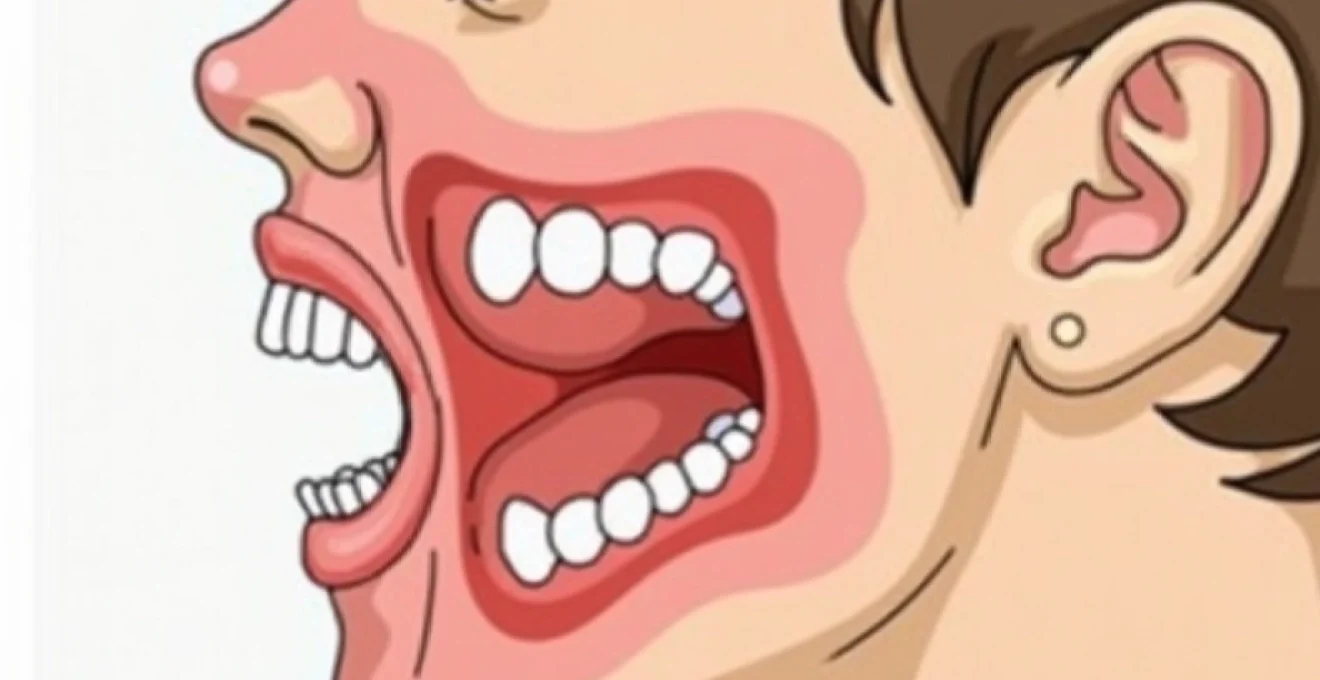
Temple swelling during mastication presents a concerning symptom that can significantly impact daily activities and quality of life. This phenomenon affects the temporalis muscle region and surrounding anatomical structures, creating discomfort that ranges from mild pressure to severe, debilitating pain. Understanding the underlying mechanisms requires examining the complex interplay between musculoskeletal, neurological, and vascular systems that govern jaw function and facial anatomy.
The temporal region houses critical structures including the temporalis muscle, temporal arteries, parotid glands, and various neural pathways. When swelling occurs during chewing, it typically indicates dysfunction within one or more of these systems. Early recognition and proper diagnosis become essential for preventing complications and implementing effective treatment strategies that address both symptoms and underlying pathological processes.
Temporomandibular joint disorders and masticatory muscle dysfunction
Temporomandibular joint disorders represent the most common cause of temple swelling during mastication, affecting approximately 11-12 million adults annually. These conditions involve complex interactions between the temporomandibular joint, surrounding musculature, and associated neural pathways. The temporalis muscle, a fan-shaped structure covering the temple area, plays a crucial role in jaw closure and mastication, making it particularly susceptible to dysfunction when TMJ problems develop.
TMJ disorders manifest through various mechanisms, including joint displacement, muscle tension, and inflammatory responses. When you chew, the temporalis muscle contracts forcefully to facilitate jaw movement, and any underlying dysfunction can trigger localized inflammation and swelling. This process becomes particularly pronounced during sustained chewing activities or when consuming hard, chewy foods that require increased muscular effort.
TMJ disc displacement with reduction during jaw movement
Disc displacement represents a specific subset of TMJ disorders where the articular disc moves from its normal position relative to the condyle and temporal bone. During jaw opening and closing, this displaced disc may reduce or return to its proper position, creating characteristic clicking or popping sounds. The mechanical dysfunction associated with disc displacement places additional stress on surrounding muscles, including the temporalis, potentially triggering inflammatory responses and visible swelling in the temple region.
The biomechanical alterations caused by disc displacement force compensatory muscle contractions that can lead to chronic tension and hypertrophy. Patients often experience intermittent temple swelling that correlates directly with periods of increased jaw activity, particularly during meals or stress-related bruxism episodes.
Myofascial pain syndrome in masseter and temporal muscles
Myofascial pain syndrome affects the muscle fascia and creates trigger points that generate referred pain patterns extending throughout the facial region. The temporalis muscle commonly develops these trigger points, particularly in individuals who engage in repetitive jaw clenching or grinding behaviors. These trigger points create localized inflammation and can cause visible swelling during active muscle contraction phases associated with chewing.
The interconnected nature of fascial planes means that dysfunction in one muscle group can cascade to adjacent structures. When myofascial pain affects the temporalis muscle, the resulting inflammation and swelling typically worsen with sustained chewing activities and may persist for hours after eating, creating a pattern of cyclical inflammation that becomes increasingly difficult to resolve without targeted intervention.
Bruxism-induced temporal muscle hypertrophy and inflammation
Chronic teeth grinding and jaw clenching create sustained muscular tension that leads to hypertrophy and chronic inflammation of the temporalis muscle. This condition, known as bruxism, affects approximately 8-10% of the adult population and can occur during both waking and sleeping hours. The constant muscular activity associated with bruxism creates microtrauma within muscle fibers, triggering inflammatory cascades that manifest as visible temple swelling.
The hypertrophic changes in temporalis muscles can become permanent if bruxism continues untreated. Patients typically notice increased temple prominence even during non-chewing periods, with exacerbation during active mastication. The inflammatory response associated with bruxism creates a self-perpetuating cycle where muscle tension leads to increased clenching behavior, further amplifying the underlying pathology.
Arthritis of the temporomandibular joint and secondary muscle spasm
Arthritic conditions affecting the temporomandibular joint create inflammatory changes that extend beyond the joint capsule to involve surrounding musculature. Both osteoarthritis and rheumatoid arthritis can affect TMJ structures, leading to secondary muscle spasms and compensatory muscular contractions. The temporalis muscle responds to joint inflammation by increasing its baseline tension, creating chronic low-grade inflammation that becomes more pronounced during chewing activities.
The degenerative changes associated with TMJ arthritis alter normal joint mechanics, forcing the temporalis muscle to work harder during mastication. This increased workload, combined with the inflammatory mediators present in arthritic conditions, creates a perfect environment for persistent temple swelling that typically worsens throughout the day and correlates with meal times and jaw usage patterns.
Salivary gland pathologies affecting the temporal region
Salivary gland disorders represent another significant category of conditions that can cause temple swelling during chewing activities. The parotid gland, located adjacent to the temporomandibular joint and extending into the temporal region, becomes particularly active during mastication as it responds to gustatory stimuli and mechanical jaw movement. When pathological processes affect these glands, the resulting inflammation and swelling can mimic or contribute to temple region symptoms.
The proximity of parotid glands to temporal structures means that inflammatory processes within these glands can easily extend to surrounding tissues. During chewing, salivary glands increase their secretory activity, and any underlying dysfunction can trigger acute inflammatory responses that manifest as visible swelling in the temporal area. Understanding these salivary gland-related causes becomes crucial for accurate diagnosis and appropriate treatment planning.
Parotid gland sialadenitis and ductal obstruction
Sialadenitis, or inflammation of the salivary glands, commonly affects the parotid glands and can cause significant swelling that extends into the temporal region. This condition may result from viral infections, bacterial colonization, or autoimmune processes that compromise normal gland function. During chewing, the affected parotid gland attempts to increase secretory output, but ductal obstruction or inflammatory changes prevent normal saliva flow, leading to glandular distension and pain.
The inflammatory process associated with sialadenitis creates localized tissue edema that can extend beyond the gland boundaries into surrounding fascial planes. When you attempt to eat, the combination of increased secretory demand and impaired drainage creates acute swelling that can be quite dramatic and painful, often accompanied by warmth and redness in the affected area.
Sjögren’s syndrome and autoimmune sialadenopathy
Sjögren’s syndrome represents an autoimmune condition that primarily targets salivary and lacrimal glands, creating chronic inflammatory changes that can cause persistent temple region swelling. This condition affects approximately 0.5-1% of the population, with women being disproportionately affected. The autoimmune destruction of glandular tissue creates chronic inflammation that becomes more pronounced during periods of increased salivary demand, such as during meals.
The chronic nature of Sjögren’s syndrome means that temple swelling associated with this condition tends to be persistent rather than episodic. Patients often describe a constant feeling of fullness in the temple area that worsens during chewing activities, accompanied by dry mouth symptoms and difficulty with food bolus formation and swallowing.
Parotid duct stones and wharton’s duct blockage
Sialolithiasis, or salivary gland stone formation, can create acute ductal obstruction that leads to dramatic glandular swelling during meals. These calcified deposits typically form within the major salivary ducts and can completely or partially block saliva flow. When gustatory stimuli trigger increased salivary production during eating, the blocked duct prevents normal drainage, causing rapid glandular distension and acute pain that can radiate into the temple region.
The pain and swelling associated with salivary stones typically correlates directly with meal times and can become so severe that patients avoid eating altogether. The mechanical obstruction creates a characteristic pattern where swelling develops rapidly during the first few minutes of eating and may persist for hours afterward, gradually subsiding as the gland empties through alternative drainage pathways.
Bacterial parotitis and staphylococcal infections
Bacterial infections of the parotid glands can cause acute, severe inflammation that extends into surrounding tissues, including the temporal region. These infections typically occur secondary to ductal obstruction, dehydration, or immunocompromised states that allow bacterial colonization of normally sterile glandular tissues. Staphylococcus aureus represents the most common causative organism, though various other bacterial species can be involved.
Bacterial parotitis creates intense inflammatory responses characterized by rapid onset swelling, erythema, warmth, and exquisite tenderness. The infection can spread through fascial planes into adjacent structures, creating extensive tissue involvement that may require aggressive antibiotic therapy and, in severe cases, surgical drainage to prevent complications such as abscess formation or systemic sepsis.
Dental and periodontal conditions causing referred temple pain
Dental and periodontal pathologies frequently generate referred pain patterns that can manifest as temple region symptoms, particularly during chewing activities. The trigeminal nerve’s extensive distribution throughout the maxillofacial region creates interconnected sensory pathways that can transmit pain signals from dental origins to distant sites, including the temporal area. Understanding these referred pain patterns becomes essential for accurate diagnosis and appropriate treatment of temple swelling complaints.
The relationship between dental pathology and temple symptoms often follows predictable neuroanatomical patterns, with posterior tooth infections and periodontal disease being particularly likely to cause temporal region complaints. When you chew on affected teeth, the increased pressure and mechanical stimulation can trigger intense pain that radiates along trigeminal nerve branches, potentially causing secondary muscle spasms and inflammatory responses in the temporalis muscle region.
Dental abscesses and severe periodontal disease can create inflammatory mediators that affect surrounding tissues beyond the immediate infection site. The proximity of posterior maxillary teeth to the temporomandibular joint and temporal muscle attachments means that localized dental infections can easily spread through fascial planes, creating true anatomical continuity rather than simply referred pain patterns. This inflammatory spread can cause genuine temple swelling that correlates with chewing activities and dental manipulation.
Periodontal disease, particularly when it involves posterior teeth, can create chronic low-grade inflammation that affects masticatory muscle function. The constant presence of inflammatory mediators from chronic periodontitis can sensitize muscle tissues and create hyperactive responses to normal chewing stimuli.
Chronic periodontal inflammation has been shown to affect muscle function patterns and can contribute to temporomandibular dysfunction that manifests as temple region symptoms during mastication.
Vascular and neurological causes of temporal swelling during mastication
Vascular and neurological pathologies represent serious potential causes of temple swelling during chewing activities that require immediate medical attention due to their potential for severe complications. These conditions often present with characteristic symptom patterns that distinguish them from more benign musculoskeletal causes, though careful clinical evaluation remains essential for accurate diagnosis. The temporal arterial system and associated neural pathways can be affected by various pathological processes that create swelling, pain, and functional impairment.
The complexity of neurovascular interactions in the temporal region means that dysfunction in one system can significantly impact others, creating cascading effects that amplify symptoms and complicate treatment approaches. Understanding these interactions becomes crucial for clinicians managing patients with temple swelling complaints, particularly when symptoms occur in older adults or individuals with systemic vascular disease risk factors.
Temporal arteritis and giant cell arteritis manifestations
Giant cell arteritis, also known as temporal arteritis, represents a serious systemic vasculitis that primarily affects large and medium-sized arteries, with particular predilection for temporal arterial branches. This condition affects approximately 19-23 per 100,000 individuals, with peak incidence occurring in patients over 70 years of age. The inflammatory process causes arterial wall thickening, luminal narrowing, and potential thrombosis that can lead to catastrophic complications including blindness and stroke.
The characteristic temporal headache associated with giant cell arteritis often worsens during chewing activities due to increased metabolic demands placed on already compromised arterial circulation. Jaw claudication represents a pathognomonic symptom where masticatory muscles develop ischemic pain during chewing due to inadequate arterial perfusion. This creates a distinctive pattern where temple pain and swelling develop progressively during mastication and may force patients to stop eating due to severe discomfort.
Early recognition and treatment of giant cell arteritis with high-dose corticosteroids can prevent irreversible vision loss and other serious complications, making prompt diagnosis critically important.
The inflammatory changes in temporal arteries can create visible swelling and tenderness along the vessel course, often accompanied by systemic symptoms including fever, weight loss, and elevated inflammatory markers.
Trigeminal neuralgia and cranial nerve V dysfunction
Trigeminal neuralgia affects the fifth cranial nerve and can create severe, shooting pain that radiates throughout the distribution of affected nerve branches. When the temporalis muscle receives aberrant neural signals due to trigeminal dysfunction, it may respond with protective spasms and secondary inflammation that manifest as temple swelling during triggering activities such as chewing. The condition affects approximately 5 per 100,000 individuals, with peak incidence in the sixth decade of life.
The characteristic electric shock-like pain of trigeminal neuralgia can be triggered by light touch, chewing motions, or even air movement across the face. When chewing activities trigger neuralgic episodes, the associated muscle splinting and protective responses can create secondary temple swelling that persists beyond the acute pain episode. This creates a complex clinical picture where both neural and muscular components contribute to the overall symptom presentation.
Cluster headaches and autonomic nervous system involvement
Cluster headaches represent a primary headache disorder characterized by severe, unilateral pain typically centered around the temporal and orbital regions. These headaches often occur in cyclical patterns with periods of frequent attacks followed by remission phases. The intense pain associated with cluster headaches can trigger secondary muscle spasms and inflammatory responses that create visible swelling in the temple region, particularly when attacks coincide with meal times.
The autonomic dysfunction associated with cluster headaches can affect local vascular regulation and inflammatory responses, potentially amplifying swelling and pain symptoms. Patients often describe a feeling of pressure or fullness in the temple area that accompanies the characteristic burning or stabbing pain quality typical of cluster headaches. The timing relationship between headache episodes and eating activities can create apparent associations between chewing and temple swelling that may confuse the diagnostic picture.
Arteriovenous malformations in the temporal vascular network
Arteriovenous malformations (AVMs) in the temporal region represent rare but potentially serious vascular anomalies that can cause localized swelling and pain, particularly during activities that increase intracranial pressure such as vigorous chewing. These abnormal connections between arterial and venous systems can create turbulent blood flow patterns and localized tissue changes that become more pronounced during periods of increased cardiac output and blood pressure.
The hemodynamic changes associated with temporal AVMs can create pulsatile swelling that correlates with cardiac cycles and may become more noticeable during physical activities including sustained chewing. The abnormal vascular architecture can also predispose to thrombotic events or hemorrhagic complications that create acute inflammatory responses and dramatic swelling patterns requiring emergency medical intervention.
Diagnostic imaging and clinical assessment protocols
Comprehensive evaluation of temple swelling during chewing requires systematic clinical assessment combined with appropriate imaging studies to identify underlying pathological processes and guide treatment decisions. The diagnostic approach must consider the broad differential diagnosis spanning musculoskeletal, salivary gland, dental, and neurovascular etiologies while prioritizing identification of potentially serious conditions requiring immediate intervention.
Clinical history collection should focus on symptom onset patterns, triggering factors, associated symptoms, and response to previous treatments. Detailed pain characterization including quality, intensity, duration, and radiation patterns can provide crucial diagnostic clues that help differentiate between various potential causes. Physical examination must include comprehensive assessment of the temporomandibular joints, masticatory muscles, cervical lymph nodes, and temporal arterial pulses.
Initial imaging studies typically begin with panoramic dental radiographs to evaluate for dental pathology, followed by ultrasound assessment of salivary glands and temporal art
eries when temporal arteritis is suspected. Advanced imaging modalities including MRI and CT angiography may be necessary for evaluating suspected vascular pathologies or complex TMJ disorders that do not respond to conservative management approaches.
Laboratory studies play a crucial role in identifying systemic inflammatory conditions, with erythrocyte sedimentation rate and C-reactive protein levels being particularly important when evaluating suspected temporal arteritis. Complete blood count, autoimmune markers, and specific antibody panels may be indicated based on clinical presentation and suspected underlying pathology. Temporal artery biopsy remains the gold standard for confirming giant cell arteritis diagnosis, though ultrasound evaluation has shown promising diagnostic accuracy in experienced hands.
Specialized diagnostic techniques may include electromyography to assess masticatory muscle function, sialography for evaluating ductal anatomy in suspected salivary gland disorders, and thermographic imaging to identify inflammatory patterns in the temporomandibular region. The integration of multiple diagnostic modalities allows for comprehensive assessment that addresses the complex anatomical relationships and potential overlapping pathologies affecting the temporal region during mastication.
Treatment modalities and therapeutic interventions for temple swelling
Effective management of temple swelling during chewing requires targeted therapeutic approaches that address the underlying pathophysiology while providing symptomatic relief and preventing complications. Treatment strategies must be individualized based on accurate diagnosis, symptom severity, functional impairment level, and patient-specific factors including age, comorbidities, and treatment preferences. The multidisciplinary nature of potential underlying causes often necessitates coordinated care involving multiple healthcare specialties.
Conservative management approaches form the foundation of treatment for most temporomandibular-related causes of temple swelling. These interventions include dietary modifications emphasizing soft foods, thermal therapy alternating between heat and cold applications, and targeted exercise programs designed to improve jaw mobility and reduce muscle tension. Anti-inflammatory medications including NSAIDs can provide significant symptom relief while addressing underlying inflammatory processes contributing to tissue swelling and pain.
Physical therapy interventions focus on restoring normal masticatory muscle function through manual therapy techniques, therapeutic exercises, and postural correction strategies. Myofascial release techniques can effectively address trigger points within the temporalis muscle, while jaw mobilization exercises help maintain joint range of motion and prevent adaptive shortening of periarticular tissues. Biofeedback training helps patients recognize and modify harmful oral habits such as clenching and grinding that contribute to chronic muscle tension and inflammation.
Pharmacological interventions vary significantly based on underlying pathology, with muscle relaxants being beneficial for TMJ-related muscle spasms, while corticosteroids may be necessary for managing salivary gland inflammation or temporal arteritis. Tricyclic antidepressants and anticonvulsant medications can provide effective management for neuropathic pain conditions affecting the trigeminal nerve distribution. Topical anesthetic agents and anti-inflammatory preparations can provide localized relief for superficial inflammatory processes without systemic side effects.
Advanced therapeutic interventions may include botulinum toxin injections for managing chronic muscle hyperactivity, particularly in cases of bruxism-related temporalis hypertrophy that does not respond to conservative management. Arthrocentesis and therapeutic joint injections can provide both diagnostic information and therapeutic benefit for specific TMJ pathologies involving inflammatory joint conditions or disc displacement disorders.
Surgical interventions remain reserved for specific indications including irreducible TMJ disc displacement, advanced degenerative joint disease, or salivary gland pathologies requiring ductal reconstruction or gland removal. Minimally invasive arthroscopic procedures can address certain TMJ disorders while minimizing surgical morbidity and recovery time compared to open surgical approaches.
Emergency interventions become necessary when temple swelling results from temporal arteritis, bacterial infections, or other serious conditions requiring immediate medical attention. High-dose corticosteroid therapy for suspected giant cell arteritis must be initiated promptly to prevent vision loss and other serious complications. Antibiotic therapy and surgical drainage may be required for severe bacterial infections affecting salivary glands or surrounding tissues.
Long-term management strategies focus on preventing recurrence through lifestyle modifications, stress management techniques, and ongoing monitoring for disease progression or treatment complications. Regular follow-up appointments allow for treatment plan adjustments based on therapeutic response and changing clinical circumstances. Patient education regarding symptom recognition, self-management techniques, and when to seek immediate medical attention empowers individuals to participate actively in their ongoing care management while preventing complications through early intervention.