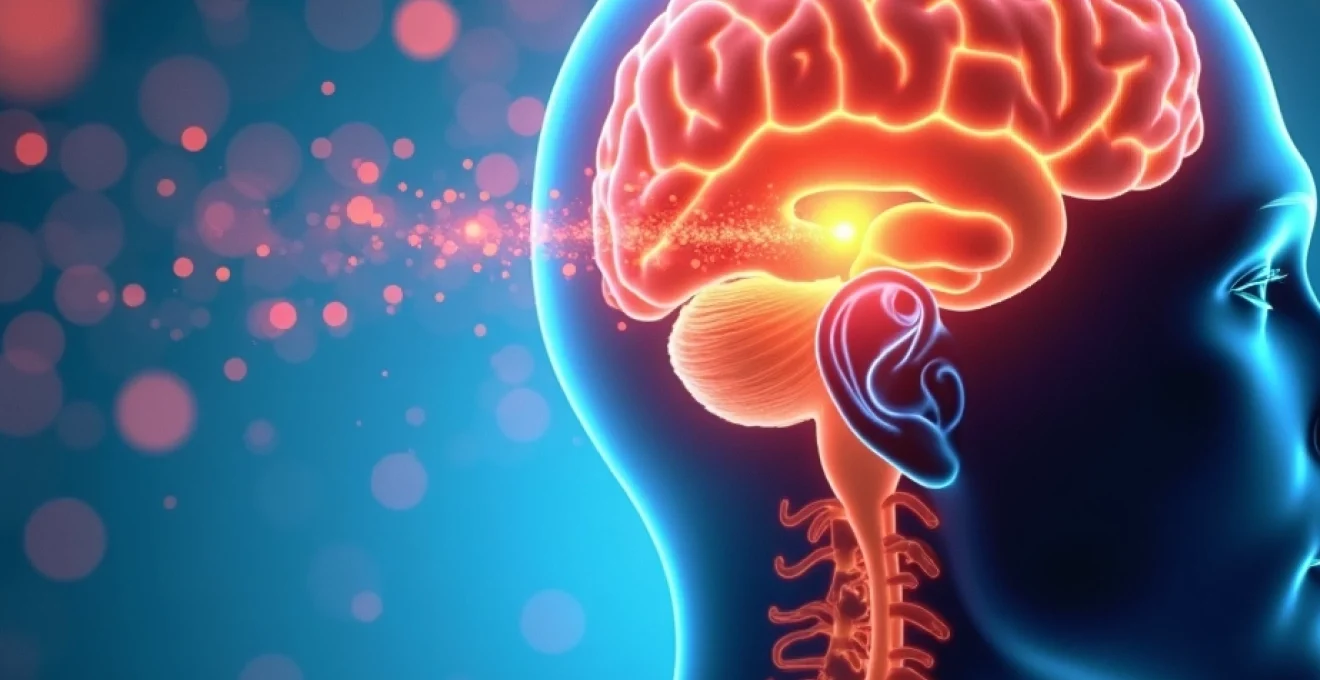
Scalp tingling presents as an uncomfortable sensation that can range from mild pins and needles to intense burning or numbness. While most cases stem from benign causes such as skin irritation or stress, certain patterns of scalp paresthesia may indicate more serious vascular conditions, including blood clots affecting cerebral circulation. Understanding when scalp tingling might signal a thrombotic event requires careful consideration of accompanying symptoms, onset patterns, and associated neurological signs. The scalp’s rich network of blood vessels and nerve endings makes it particularly sensitive to changes in circulation, whether from local irritation or systemic vascular compromise.
Medical professionals increasingly recognise that seemingly minor sensory disturbances can occasionally herald significant neurological emergencies. Distinguishing between harmless scalp sensitivity and potentially life-threatening vascular events demands awareness of specific clinical patterns and emergency warning signs. The complexity of scalp innervation, combined with its vascular supply from both internal and external carotid systems, creates multiple pathways through which thrombotic events might manifest as sensory symptoms.
Cerebral venous sinus thrombosis: clinical manifestations and scalp paresthesia
Cerebral venous sinus thrombosis (CVST) represents a rare but potentially catastrophic form of stroke affecting the brain’s venous drainage system. Unlike arterial strokes, CVST develops gradually, often presenting with subtle symptoms that can include scalp tingling alongside more prominent features such as severe headache and visual disturbances. The condition affects approximately 3-4 cases per million people annually, with women of childbearing age facing elevated risk due to hormonal factors and pregnancy-related hypercoagulable states.
The pathophysiology underlying scalp sensory symptoms in CVST involves complex interactions between increased intracranial pressure and compromised venous drainage. When blood clots obstruct major cerebral venous sinuses, particularly the superior sagittal sinus or transverse sinuses, venous congestion develops throughout the brain and scalp tissues. This congestion can manifest as diffuse scalp discomfort, tingling sensations, and heightened sensitivity to touch, often described by patients as feeling like wearing a tight hat or helmet.
Pathophysiology of venous congestion in scalp tissues
Venous congestion affecting scalp tissues occurs through several interconnected mechanisms when cerebral venous drainage becomes compromised. The scalp’s venous system connects directly with intracranial venous sinuses through emissary veins, creating a pathway for pressure changes within the cranium to affect peripheral scalp tissues. When thrombosis occurs in major venous sinuses, backpressure develops throughout the connected venous network, leading to tissue oedema and altered sensory perception in scalp regions.
The resulting tissue congestion triggers inflammatory cascades that sensitise peripheral nerve endings, producing the characteristic tingling or burning sensations reported by patients. These symptoms often precede more obvious neurological signs by hours or days, making early recognition crucial for optimal outcomes. The pattern of sensory disturbance typically follows anatomical boundaries of venous drainage territories, providing valuable diagnostic clues for experienced clinicians.
Dural sinus occlusion and peripheral sensory symptoms
Occlusion of specific dural venous sinuses produces distinct patterns of scalp sensory symptoms that correlate with underlying venous anatomy. Superior sagittal sinus thrombosis commonly presents with bilateral scalp tingling affecting the vertex and frontal regions, while transverse sinus occlusion may cause unilateral temporal or occipital scalp discomfort. These regional variations reflect the specific venous territories drained by each sinus system and the corresponding areas of tissue congestion that develop following thrombotic occlusion.
Patients with dural sinus thrombosis often describe their scalp symptoms as progressive, beginning with mild tingling that intensifies over days to weeks. The sensation may be accompanied by scalp tenderness, making hair brushing or wearing hats uncomfortable. These peripheral manifestations frequently occur alongside central symptoms such as headache, nausea, and visual disturbances, creating a constellation of findings that experienced neurologists recognise as potentially indicating venous thrombosis.
Cranial nerve compression secondary to increased intracranial pressure
Increased intracranial pressure resulting from venous sinus thrombosis can compress cranial nerves, producing additional sensory symptoms that may affect scalp regions. The trigeminal nerve, responsible for facial and scalp sensation, becomes particularly vulnerable to pressure effects when intracranial pressure rises significantly. Compression of trigeminal nerve branches can cause numbness, tingling, or pain in specific scalp distributions, often following the anatomical territories of the ophthalmic, maxillary, or mandibular divisions.
The development of cranial nerve compression symptoms typically indicates advanced disease with significant intracranial pressure elevation. These findings warrant immediate medical attention, as they may herald impending neurological deterioration. The combination of scalp paresthesia with other cranial nerve signs, such as visual field defects or diplopia, creates a clinical picture highly suggestive of increased intracranial pressure requiring urgent intervention.
Trigeminal nerve distribution patterns in scalp tingling
The trigeminal nerve’s three divisions create distinct scalp sensation territories that can help localise pathological processes affecting this crucial cranial nerve. The ophthalmic division (V1) supplies sensation to the forehead and anterior scalp, the maxillary division (V2) innervates the temporal region, while the mandibular division (V3) provides sensation to limited scalp areas behind the ear. When blood clots or increased pressure affect trigeminal pathways, patients typically experience tingling or numbness following these specific anatomical boundaries.
Understanding trigeminal distribution patterns proves essential for distinguishing between peripheral nerve irritation and central pathology. Scalp tingling confined to a single trigeminal territory might suggest peripheral nerve entrapment or local pathology, while multiple territory involvement or bilateral symptoms raise suspicion for central nervous system causes, including cerebral venous thrombosis or other intracranial pathology requiring immediate evaluation and management.
Arterial thromboembolism: carotid and vertebral circulation compromise
Arterial thromboembolism affecting the carotid or vertebral circulation can produce scalp sensory symptoms through several mechanisms, though these manifestations are less common than with venous thrombosis. The external carotid artery and its branches provide primary arterial supply to scalp tissues, while the vertebral system contributes to posterior circulation that can influence occipital scalp sensation. When embolic events compromise these arterial territories, patients may experience tingling, numbness, or pain in corresponding scalp regions as early warning signs of more extensive cerebrovascular events.
The clinical significance of scalp sensory symptoms in arterial disease lies in their potential to herald impending stroke or represent ongoing cerebral hypoperfusion. Unlike the gradual onset typical of venous thrombosis, arterial embolic events often produce acute symptom onset with rapid progression. Recognising these patterns can facilitate early intervention with thrombolytic therapy or endovascular procedures, potentially preventing permanent neurological disability.
Internal carotid artery stenosis and scalp branch ischaemia
Internal carotid artery stenosis can affect scalp sensation through its impact on external carotid circulation and collateral blood flow patterns. When severe internal carotid stenosis develops, compensatory mechanisms often redirect blood flow through external carotid branches, potentially compromising scalp perfusion. This relative ischaemia can manifest as scalp tingling, particularly during periods of increased metabolic demand or when collateral circulation becomes inadequate to meet tissue needs.
Patients with carotid stenosis may describe scalp symptoms that worsen with physical activity or position changes, reflecting the marginal perfusion status of affected tissues. These symptoms often accompany other signs of carotid insufficiency, such as transient monocular vision loss or contralateral weakness. The combination of scalp tingling with these classical carotid territory symptoms should prompt urgent vascular assessment and consideration of revascularisation procedures.
Posterior circulation stroke affecting occipital scalp sensation
Posterior circulation strokes involving the vertebrobasilar system can affect occipital scalp sensation through disruption of neural pathways processing sensory information from posterior scalp regions. While uncommon, these events may present with occipital scalp tingling or numbness as part of a broader constellation of posterior circulation symptoms including dizziness, visual disturbances, and coordination problems. The posterior cerebral arteries supply cortical regions involved in processing scalp sensory information, making these territories vulnerable to embolic events.
Recognition of posterior circulation stroke remains challenging due to the subtle and varied nature of presenting symptoms. Scalp tingling affecting occipital regions, particularly when accompanied by visual field defects or balance problems, warrants careful neurological evaluation to exclude vertebrobasilar insufficiency or acute posterior circulation stroke. Early recognition and treatment of these events can significantly improve neurological outcomes and prevent progression to complete stroke syndromes.
Temporal arteritis and giant cell arteritis neurological sequelae
Giant cell arteritis (GCA) represents a systemic vasculitis that commonly affects the temporal arteries and can produce severe scalp symptoms including burning, tingling, and tenderness. This inflammatory condition typically affects individuals over 50 years of age and can lead to devastating complications including permanent vision loss if left untreated. The inflammation affects medium and large-sized arteries, with particular predilection for branches of the external carotid system that supply scalp tissues.
Scalp symptoms in GCA often present as severe tenderness over the temporal arteries, accompanied by tingling or burning sensations that may extend across the entire scalp. Patients frequently report difficulty brushing their hair or lying on the affected side due to scalp hypersensitivity. These symptoms typically occur alongside systemic features such as jaw claudication, fever, and weight loss, creating a clinical picture that demands immediate corticosteroid therapy to prevent ischaemic complications.
The combination of scalp tenderness with jaw claudication in patients over 50 years should raise immediate suspicion for giant cell arteritis, requiring urgent treatment to prevent irreversible vision loss.
Watershed infarction patterns in scalp sensory territories
Watershed infarctions occur at the boundaries between major arterial territories during periods of systemic hypoperfusion or when collateral circulation proves inadequate. These border zone areas include regions where scalp arterial supply from different vascular territories meets, making them particularly vulnerable to ischaemic injury during haemodynamic compromise. Scalp tingling or numbness may represent early signs of watershed ischaemia, particularly in patients with underlying cerebrovascular disease or systemic hypotension.
The pattern of scalp symptoms in watershed infarction often follows the anatomical boundaries between arterial territories, creating characteristic distributions that experienced clinicians can recognise. These symptoms may fluctuate with blood pressure changes or position, reflecting the marginal perfusion status of affected tissues. Understanding watershed vulnerability patterns helps guide clinical assessment and management decisions in patients presenting with scalp sensory symptoms suggestive of vascular compromise.
Differential diagnosis: neurological conditions mimicking thrombotic events
Distinguishing scalp tingling caused by thrombotic events from other neurological conditions requires systematic evaluation of symptom patterns, associated features, and temporal characteristics. Many benign conditions can produce scalp paresthesia that mimics more serious vascular pathology, making careful clinical assessment essential for appropriate triage and management. The key lies in recognising specific clinical patterns that distinguish between peripheral irritation, primary neurological conditions, and genuine thrombotic events requiring emergency intervention.
Common mimicking conditions include tension-type headaches with associated allodynia, migraine aura phenomena, cervical radiculopathy affecting upper cervical nerves, and various forms of neuralgia. Each condition presents with characteristic features that, when carefully evaluated, can guide appropriate diagnostic workup and treatment decisions. Understanding these differential diagnostic considerations prevents unnecessary emergency evaluations while ensuring that genuine thrombotic events receive timely recognition and treatment.
Tension-type headache with associated scalp allodynia
Tension-type headaches frequently produce scalp allodynia, a condition where normally non-painful stimuli cause discomfort or tingling sensations. This phenomenon results from sensitisation of peripheral nerve endings in scalp tissues due to sustained muscle tension and trigger point activation in cervical and cranial muscles. The resulting scalp hypersensitivity can manifest as tingling, burning, or pins-and-needles sensations that patients may mistake for signs of more serious pathology.
The scalp allodynia associated with tension headaches typically develops gradually and correlates with headache intensity and duration. Patients often describe difficulty wearing hats, brushing hair, or lying on pillows due to scalp hypersensitivity. Unlike thrombotic events, these symptoms usually improve with headache resolution and respond well to standard tension headache treatments including muscle relaxation techniques and analgesic medications.
Migraine aura phases and sensory disturbances
Migraine aura can produce scalp tingling and sensory disturbances that may raise concern for cerebrovascular events, particularly in patients unfamiliar with migraine patterns. Sensory auras typically begin with tingling in the fingers or around the mouth, then spread in a characteristic march pattern that may involve the scalp and face. This spreading pattern, known as cortical spreading depression, produces sensory symptoms that can last 20-60 minutes before resolving spontaneously.
The tingling sensations of migraine aura differ from thrombotic events in their temporal pattern and associated features. Migraine-related scalp tingling typically follows a predictable progression, spreads systematically across body regions, and resolves completely before headache onset. The presence of visual aura symptoms, such as scintillating scotomas or fortification spectra, helps distinguish migraine from vascular pathology, though complex migraines can occasionally mimic stroke symptoms requiring careful evaluation.
Cervical radiculopathy C2-C3 nerve root irritation
Cervical radiculopathy affecting the C2 and C3 nerve roots can produce scalp tingling and sensory disturbances that mimic intracranial pathology. These upper cervical nerves provide sensory innervation to posterior and lateral scalp regions, making them capable of producing focal scalp symptoms when compressed or irritated. Common causes include cervical disc herniation, facet joint arthropathy, or atlantooccipital joint dysfunction affecting nerve root function.
The scalp symptoms of cervical radiculopathy typically correlate with neck position and movement, worsening with certain head positions or cervical spine motion. Patients may describe tingling or numbness that follows specific dermatomal patterns corresponding to the affected nerve roots. Associated neck pain, stiffness, and position-dependent symptom variation help distinguish cervical radiculopathy from centrally mediated scalp paresthesia, though careful examination remains essential for accurate diagnosis.
Occipital neuralgia and greater occipital nerve entrapment
Occipital neuralgia produces sharp, shooting pains and tingling sensations in the distribution of the greater, lesser, or third occipital nerves, affecting posterior scalp regions from the suboccipital area to the vertex. This condition can result from nerve entrapment, inflammation, or irritation at various points along the nerve’s course, including where it pierces the tendinous insertions of neck muscles or passes through fascial planes.
The pain and tingling of occipital neuralgia typically follows the anatomical distribution of the affected nerve, creating a characteristic pattern that experienced clinicians can recognise. Symptoms may be triggered by light touch, hair brushing, or pillow contact, and often respond dramatically to local anaesthetic blocks of the affected nerve. The distinct territorial distribution and trigger sensitivity help differentiate occipital neuralgia from more diffuse scalp symptoms associated with thrombotic events.
Occipital neuralgia produces characteristic shooting pains along specific nerve distributions, contrasting sharply with the diffuse tingling patterns typical of cerebral venous thrombosis.
Advanced neuroimaging protocols for cerebrovascular assessment
Modern neuroimaging techniques provide powerful tools for evaluating scalp tingling symptoms when thrombotic events are suspected. Computed tomography venography (CTV) and magnetic resonance venography (MRV) have revolutionised the diagnosis of cerebral venous sinus thrombosis, offering non-invasive methods to visualise the cerebral venous system and detect thrombotic occlusion. These imaging modalities have largely replaced invasive conventional angiography for initial diagnostic evaluation, providing rapid and accurate assessment of venous patency.
The choice of imaging modality depends on clinical presentation, patient factors, and institutional capabilities. CTV offers excellent visual
evaluation of venous structures and rapid acquisition times, making it valuable in emergency settings where time-sensitive diagnosis is crucial. MRV provides superior soft tissue contrast and eliminates radiation exposure, making it particularly suitable for younger patients or those requiring repeated imaging studies.
Advanced MRI techniques, including susceptibility-weighted imaging and time-resolved contrast-enhanced sequences, can detect subtle venous abnormalities that might be missed with conventional imaging approaches. These techniques prove especially valuable when evaluating patients with atypical presentations where scalp tingling may be the predominant or only symptom of underlying cerebral venous pathology.
Digital subtraction angiography remains the gold standard for evaluating complex vascular anatomy and planning interventional procedures, though its invasive nature limits routine use. When non-invasive imaging yields equivocal results or when endovascular intervention is contemplated, conventional angiography provides the detailed vascular roadmap necessary for optimal treatment planning and execution.
Emergency recognition criteria using FAST-ED and BE-FAST protocols
Emergency recognition of cerebrovascular events has been revolutionised by standardised assessment protocols that enable rapid identification of stroke symptoms by both healthcare professionals and the general public. The FAST protocol (Face, Arms, Speech, Time) has evolved into more comprehensive systems like BE-FAST (Balance, Eyes, Face, Arms, Speech, Time) and FAST-ED (Face, Arms, Speech, Time, Eyes, Dizziness), which incorporate additional neurological domains that may be affected in posterior circulation strokes and atypical presentations.
These protocols prove particularly valuable when evaluating patients with scalp tingling, as they provide systematic frameworks for detecting associated neurological signs that might indicate serious cerebrovascular pathology. The incorporation of balance, visual, and coordination assessments helps identify posterior circulation events that might otherwise be missed using traditional stroke recognition criteria.
For patients presenting with scalp tingling, the BE-FAST protocol offers a structured approach to neurological assessment. Balance problems might suggest vertebrobasilar insufficiency, while eye movement abnormalities or visual field defects could indicate posterior circulation involvement. Face asymmetry, arm weakness, and speech difficulties remain core components, but the expanded protocol recognises that modern stroke presentations often involve subtle combinations of symptoms rather than classical hemiparesis patterns.
Healthcare providers must adapt these protocols to recognise that scalp paresthesia, particularly when acute and accompanied by other neurological signs, warrants the same urgency as more obvious stroke symptoms. The time component of these protocols emphasises that every minute of delay in treatment increases the risk of permanent neurological disability, making rapid recognition and response critical for optimal outcomes.
Time remains the most critical factor in stroke treatment – every minute of delay increases tissue damage and reduces the likelihood of complete recovery.
Anticoagulation therapy considerations and contraindications in acute settings
Anticoagulation therapy represents the cornerstone of treatment for cerebral venous sinus thrombosis, even in the presence of haemorrhagic complications, which initially appears counterintuitive but has been validated through multiple clinical studies. The decision to initiate anticoagulation in patients presenting with scalp tingling and suspected cerebral venous thrombosis requires careful consideration of multiple factors including symptom severity, imaging findings, bleeding risk assessment, and patient-specific contraindications.
Low-molecular-weight heparin has emerged as the preferred initial anticoagulant for acute cerebral venous thrombosis, offering predictable pharmacokinetics and reduced bleeding risk compared to unfractionated heparin. The dosing regimens typically follow treatment protocols for venous thromboembolism, with monitoring requirements adjusted based on patient factors such as renal function, body weight, and bleeding risk stratification.
Absolute contraindications to anticoagulation include active major bleeding, recent neurosurgery within 48 hours, severe thrombocytopaenia with platelet counts below 50,000, and known bleeding disorders with active manifestations. Relative contraindications require individualised risk-benefit analysis, considering factors such as recent trauma, concurrent medications affecting haemostasis, and underlying medical conditions that might increase bleeding risk.
The duration of anticoagulation therapy typically extends for 3-6 months following acute cerebral venous thrombosis, though patients with underlying thrombophilic conditions or recurrent events may require extended or lifelong treatment. Transition from acute parenteral anticoagulation to oral therapy usually occurs within 5-10 days, utilising agents such as warfarin, rivaroxaban, or apixaban based on patient factors and institutional preferences.
Monitoring requirements vary by anticoagulant choice, with warfarin requiring regular INR monitoring to maintain therapeutic ranges between 2.0-3.0, while direct oral anticoagulants generally require less intensive monitoring but demand attention to renal function and drug interactions. Patient education regarding signs of bleeding complications and when to seek immediate medical attention forms an essential component of safe anticoagulation management.
In emergency settings, the decision to initiate anticoagulation often precedes definitive imaging confirmation when clinical suspicion for cerebral venous thrombosis is high. This approach reflects the time-sensitive nature of treatment and the relatively favourable risk-benefit profile of anticoagulation in most patients with suspected venous thrombosis. However, this decision requires experienced clinical judgment and careful consideration of individual patient factors that might alter the risk-benefit calculation.
Special populations, including pregnant women, elderly patients, and those with multiple comorbidities, require modified approaches to anticoagulation therapy. Pregnancy-related cerebral venous thrombosis typically receives treatment with low-molecular-weight heparin throughout pregnancy and the postpartum period, avoiding warfarin due to its teratogenic potential. Elderly patients may require dose adjustments and enhanced monitoring due to altered drug metabolism and increased bleeding risk.
The integration of scalp tingling symptoms into clinical decision-making for anticoagulation requires understanding that these seemingly minor sensory disturbances may represent early manifestations of serious thrombotic events. When scalp paresthesia occurs alongside other suggestive clinical features, the threshold for initiating anticoagulation should reflect the potentially catastrophic consequences of delayed treatment versus the generally manageable risks of anticoagulant therapy in appropriately selected patients.