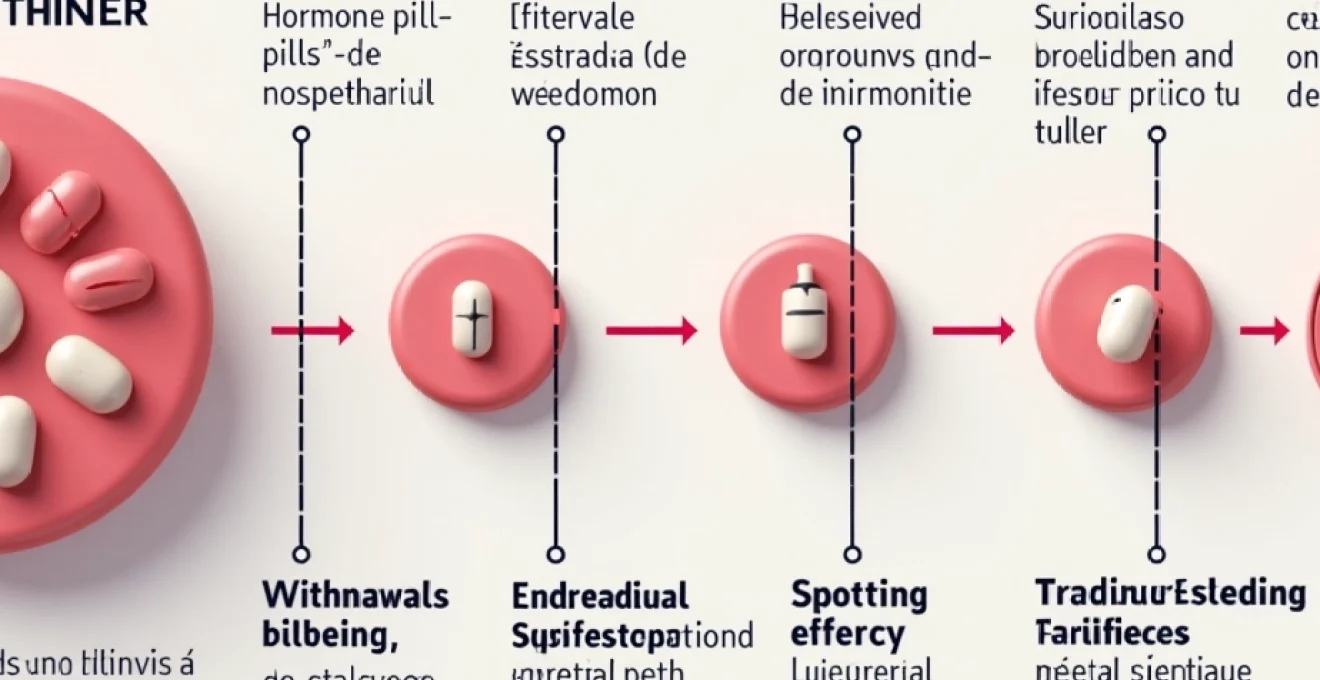
Modern contraceptive science has revolutionised how women manage their reproductive health, offering unprecedented control over menstrual cycles through hormonal birth control methods. The traditional 28-day pill pack, complete with seven placebo pills, was designed to mimic natural menstrual patterns, but contemporary research reveals that skipping these hormone-free intervals poses no medical risks and may actually provide significant benefits. Understanding the physiological mechanisms behind placebo pill function empowers you to make informed decisions about your contraceptive regimen and menstrual management.
The concept of skipping placebo pills challenges long-held assumptions about the necessity of monthly withdrawal bleeding. As medical professionals increasingly recognise that artificial periods serve no biological purpose, more women are exploring extended cycling options to reduce period-related symptoms and improve quality of life. This shift represents a fundamental change in contraceptive philosophy, moving from mimicking natural cycles to optimising hormonal stability for enhanced wellbeing and contraceptive efficacy.
Understanding placebo pills in combined oral contraceptive cycles
Placebo pills, also known as sugar pills or reminder pills, contain no active hormonal ingredients and serve primarily to maintain daily pill-taking habits. These inert tablets typically comprise sucrose, lactose, or other inactive compounds, with some formulations including iron supplementation to offset potential deficiencies during withdrawal bleeding. The inclusion of placebo pills in contraceptive packs reflects historical attempts to normalise hormonal contraception by maintaining monthly bleeding patterns that resembled natural menstruation.
The composition of placebo pills varies significantly between manufacturers, with excipients potentially influencing individual tolerance and side effect profiles. Some women experience symptoms during the placebo week that relate directly to these inactive ingredients rather than hormone withdrawal, highlighting the complex interplay between pharmaceutical formulation and physiological response. Understanding these variations helps explain why switching between different pill brands can affect your experience during hormone-free intervals.
Hormone-free interval mechanism in monophasic pills
Monophasic combined oral contraceptives maintain consistent hormone levels throughout the active pill phase, providing stable suppression of ovarian function and endometrial proliferation. During the seven-day hormone-free interval, circulating levels of synthetic oestrogen and progestogen decline rapidly, triggering withdrawal of hormonal support to the endometrium. This mechanism differs fundamentally from natural menstruation, which occurs following ovulation and involves complex feedback loops between the hypothalamic-pituitary-ovarian axis.
The withdrawal bleeding experienced during placebo pills results from endometrial tissue shedding caused by hormone deprivation rather than the natural preparation for potential implantation. This distinction explains why withdrawal bleeding typically presents as lighter, shorter, and more predictable than natural menstrual periods. The artificial nature of this bleeding challenges traditional notions about the medical necessity of monthly periods in women using hormonal contraception.
Withdrawal bleeding vs natural menstruation physiology
Natural menstruation occurs as the culmination of complex hormonal cascades involving follicle development, ovulation, and corpus luteum regression when pregnancy fails to occur. The process involves rising and falling levels of endogenous oestradiol and progesterone, creating a carefully orchestrated sequence of endometrial proliferation, secretory transformation, and eventual shedding. This physiological process serves the biological function of preparing the reproductive system for potential conception.
Withdrawal bleeding during placebo pills represents an entirely different phenomenon, triggered solely by the abrupt cessation of exogenous hormone administration. The endometrium, maintained in a suppressed state by continuous hormonal exposure, sheds uniformly when hormonal support is withdrawn. This explains why withdrawal bleeding tends to be more predictable in timing and intensity compared to natural menstruation, lacking the variable patterns associated with natural ovarian cyclicity.
Ethinyl oestradiol and progestogen fluctuations during Pill-Free week
Plasma concentrations of ethinyl oestradiol decline rapidly following discontinuation of active pills, with detectable levels typically falling below therapeutic thresholds within 24-48 hours. The synthetic progestogen component exhibits variable pharmacokinetic properties depending on the specific compound used, with some formulations maintaining biological activity for several days after discontinuation. These differential clearance patterns influence the timing and intensity of withdrawal symptoms experienced during the hormone-free interval.
The rapid decline in circulating sex hormones during the placebo week can trigger a cascade of physiological responses beyond endometrial shedding. Many women experience headaches, mood changes, breast tenderness, and other premenstrual-type symptoms during this period, reflecting the body’s adaptation to fluctuating hormone levels. Understanding these pharmacokinetic principles helps explain why skipping placebo pills can eliminate these cyclical symptoms by maintaining stable hormone concentrations.
Traditional 21/7 regimen design and historical context
The conventional 21/7 contraceptive regimen emerged from early pill development in the 1960s, when researchers sought to create a method that would be culturally acceptable to women and religious authorities. The inclusion of monthly bleeding was intended to reassure users that the method mimicked natural reproductive patterns and provided regular confirmation of non-pregnancy. This design reflected social expectations about femininity and reproductive function rather than medical necessity.
Contemporary understanding of reproductive physiology reveals that the traditional monthly bleeding pattern serves no biological purpose for women using effective contraception. Historical analyses suggest that women throughout most of human history experienced far fewer menstrual cycles due to frequent pregnancy and extended breastfeeding periods. The modern pattern of monthly menstruation represents a relatively recent phenomenon associated with delayed childbearing and reduced lactation periods.
Immediate physiological effects of skipping placebo week
Bypassing the placebo pills and continuing with active hormone administration maintains steady plasma concentrations of synthetic oestrogen and progestogen, preventing the hormonal fluctuations that trigger withdrawal bleeding. This approach eliminates the physiological stress associated with rapid hormone depletion, potentially reducing symptoms such as headaches, mood changes, and pelvic discomfort. The continuous hormonal exposure enhances contraceptive efficacy by preventing any possibility of escape ovulation during extended hormone-free intervals.
The immediate effects of skipping placebo pills include maintained suppression of the hypothalamic-pituitary-ovarian axis, preventing follicular development and ovulation. Endometrial atrophy continues to progress under constant progestogenic influence, leading to progressive thinning of the uterine lining over successive cycles. This mechanism explains why many women experience reduced breakthrough bleeding over time when using extended cycling regimens, as the endometrium becomes increasingly atrophic and stable.
Endometrial suppression continuation without hormone withdrawal
Continuous progestogenic stimulation maintains the endometrium in a decidualised state characterised by decreased proliferative activity and progressive atrophy. The synthetic progestogen component of combined pills exerts potent anti-oestrogenic effects on endometrial tissue, counteracting the proliferative stimulus of oestrogen and preventing excessive tissue development. This mechanism explains why concerns about endometrial “build-up” during extended cycling are physiologically unfounded.
The morphological changes observed in endometrial biopsies from women using extended cycling regimens demonstrate progressive glandular atrophy and stromal fibrosis over time. These adaptations represent normal physiological responses to continuous hormonal exposure and do not indicate pathological changes. The stability of the atrophic endometrium reduces the likelihood of breakthrough bleeding and provides enhanced menstrual suppression compared to cyclical regimens.
Ovarian follicular development inhibition maintenance
Sustained suppression of gonadotropin secretion through continuous hormonal contraception prevents follicular recruitment and maturation, maintaining ovarian quiescence throughout extended cycling periods. The combination of synthetic oestrogen and progestogen effectively blocks both follicle-stimulating hormone and luteinising hormone release, preventing the hormonal cascades necessary for ovarian activation. This comprehensive suppression provides superior contraceptive efficacy compared to methods that rely solely on single mechanisms of action.
Ultrasonographic studies of women using extended cycling regimens demonstrate maintained ovarian suppression with minimal follicular activity throughout treatment periods. The absence of dominant follicle development eliminates the risk of escape ovulation and provides consistent contraceptive protection. This mechanism also contributes to reduced ovarian cyst formation, as follicular development remains arrested at early stages under continuous hormonal suppression.
Cervical mucus consistency changes during extended cycles
Continuous progestogenic exposure maintains cervical mucus in a thick, viscous state that impedes sperm penetration and transport through the female reproductive tract. The absence of mid-cycle oestrogen surges prevents the physiological changes in mucus composition that normally facilitate sperm capacitation and movement toward the fallopian tubes. This mechanism provides an additional barrier to conception that complements ovarian suppression and endometrial effects.
The quality and quantity of cervical mucus remain consistently hostile to sperm survival and transport throughout extended cycling periods, eliminating the cyclical variations that could potentially compromise contraceptive efficacy. Microscopic analysis reveals maintained cellular structure and composition characteristic of luteal-phase mucus, with high viscosity and reduced spinnbarkeit properties. These changes contribute to the enhanced contraceptive effectiveness observed with continuous hormonal regimens.
Luteinising hormone and Follicle-Stimulating hormone suppression patterns
Serum gonadotropin measurements during extended cycling demonstrate sustained suppression of both luteinising hormone and follicle-stimulating hormone throughout treatment periods. The negative feedback effects of synthetic sex steroids on hypothalamic gonadotropin-releasing hormone secretion maintain pituitary quiescence and prevent the hormonal surges necessary for ovarian activation. This comprehensive endocrine suppression provides consistent contraceptive protection without the cyclical variations associated with traditional regimens.
The pattern of gonadotropin suppression during continuous pill use differs markedly from the cyclical fluctuations observed with traditional 21/7 regimens, where partial hormone recovery during placebo weeks can occasionally permit escape ovulation. Laboratory studies confirm that luteinising hormone levels remain consistently below the threshold necessary for ovulation throughout extended cycling periods, providing superior contraceptive reliability compared to methods with built-in hormone-free intervals.
Contraceptive efficacy during extended pill regimens
Clinical studies consistently demonstrate enhanced contraceptive effectiveness with extended cycling regimens compared to traditional monthly cycles, primarily due to the elimination of hormone-free intervals that could permit escape ovulation. The Pearl Index for continuous pill use typically falls below 0.5 pregnancies per 100 woman-years, representing superior efficacy to conventional cyclical methods. This improvement reflects the maintained suppression of ovarian function without the periodic hormone withdrawals that can compromise contraceptive reliability.
The enhanced effectiveness of extended cycling stems from multiple complementary mechanisms working synergistically to prevent conception. Continuous ovarian suppression eliminates the possibility of escape ovulation during extended hormone-free intervals, while maintained cervical mucus hostility and endometrial atrophy provide additional barriers to conception. Perfect use effectiveness rates approach theoretical maximums with extended regimens, reflecting the reduced opportunity for user error associated with missed pills during critical periods.
Real-world effectiveness studies reveal that women using extended cycling regimens experience lower pregnancy rates even with typical use patterns that include occasional missed pills. The pharmacological safety margin provided by continuous hormonal exposure offers greater protection against contraceptive failure resulting from minor compliance lapses. This enhanced forgiveness makes extended cycling particularly suitable for women with busy lifestyles or those who struggle with perfect pill adherence.
Extended cycling regimens provide superior contraceptive protection by eliminating the hormone-free intervals that represent the most vulnerable period for escape ovulation in traditional pill users.
Comparative effectiveness analyses demonstrate that the contraceptive benefits of extended cycling are most pronounced in women who previously experienced breakthrough ovulation or pregnancies during placebo weeks of conventional regimens. The elimination of monthly hormone fluctuations provides consistent suppression of reproductive function throughout treatment periods. These findings support the recommendation of extended cycling for women seeking maximum contraceptive reliability from oral contraceptive methods.
Breakthrough bleeding management in continuous dosing
Breakthrough bleeding represents the most common challenge associated with extended cycling regimens, affecting approximately 60-80% of women during initial months of continuous pill use. The unpredictable nature of this bleeding can cause considerable inconvenience and anxiety, leading some women to discontinue extended cycling in favour of conventional monthly regimens. Understanding the physiological basis and temporal patterns of breakthrough bleeding enables effective management strategies that maximise the benefits of continuous hormonal contraception.
The aetiology of breakthrough bleeding during extended cycling involves complex interactions between hormonal factors, endometrial adaptation, and individual physiological variations. Initial breakthrough episodes typically result from endometrial instability as tissue adapts to continuous hormonal exposure, with bleeding patterns generally improving over successive months of treatment. Patient education about expected bleeding patterns and management strategies significantly improves continuation rates and satisfaction with extended cycling regimens.
Spotting patterns in first three months of extended cycling
Clinical studies reveal characteristic patterns of breakthrough bleeding during initial extended cycling periods, with most women experiencing irregular spotting episodes during the first 90 days of continuous pill use. The frequency and intensity of breakthrough bleeding typically diminish progressively over successive months, with approximately 70% of women achieving significant reduction in unscheduled bleeding by the third month of treatment. Understanding these temporal patterns helps set appropriate expectations and encourages persistence through the adaptation period.
The unpredictable nature of early breakthrough bleeding reflects ongoing endometrial remodelling under continuous hormonal influence, with tissue gradually adapting to sustained progestogenic exposure. Bleeding episodes during this period tend to be lighter and shorter than withdrawal bleeds, though their irregular timing can prove more disruptive to daily activities. Patient counselling should emphasise the temporary nature of these symptoms and the likelihood of improvement with continued use.
Endometrial atrophy development and bleeding cessation
Progressive endometrial atrophy under continuous progestogenic stimulation represents the primary mechanism underlying improved bleeding control with extended cycling regimens. Histological studies demonstrate gradual reduction in endometrial thickness and glandular activity over successive months of continuous pill use, culminating in a stable atrophic state that resists breakthrough bleeding. This process typically requires 3-6 months to reach optimal stability, explaining the characteristic improvement in bleeding patterns observed during this timeframe.
The development of endometrial atrophy follows predictable patterns influenced by individual hormonal sensitivity and pill formulation characteristics. Women with higher baseline endometrial proliferative activity may require longer adaptation periods to achieve stable atrophy, while those with naturally thin endometrium often experience rapid improvement in bleeding control. Endometrial thickness monitoring through transvaginal ultrasound can provide objective measures of adaptation progress, though routine surveillance is generally unnecessary for asymptomatic women.
Progestogen potency impact on unscheduled bleeding episodes
The androgenic potency and progestogenic activity of different synthetic progestogens significantly influence breakthrough bleeding patterns during extended cycling regimens. Formulations containing highly potent progestogens such as levonorgestrel or norethindrone acetate typically provide superior cycle control compared to pills with less androgenic compounds. The anti-oestrogenic effects of potent progestogens promote rapid endometrial atrophy and stability, reducing the likelihood of breakthrough bleeding episodes.
Clinical comparisons between different progestogen formulations reveal substantial variations in bleeding control during extended cycling, with some combinations achieving amenorrhoea rates exceeding 80% within six months of continuous use. The selection of appropriate pill formulations based on progestogen potency can optimise bleeding control outcomes for individual patients. However, the enhanced cycle control benefits of potent progestogens must be balanced against potential androgenic side effects such as acne or mood changes.
Clinical safety profile of extended contraceptive cycling
Extensive clinical research spanning over two decades confirms the safety of extended contraceptive cycling, with no evidence of increased health risks compared to traditional monthly regimens. Long-term studies following women using continuous pill regimens for up to five years demonstrate safety profiles identical to conventional cyclical use, with no increased incidence of cardiovascular events, thromboembolism, or reproductive cancers. The elimination of monthly hormone fluctuations may actually reduce certain health risks associated with cyclical oestrogen withdrawal.
Regulatory approval of extended-cycle formulations by major pharmaceutical authorities worldwide reflects the robust safety data supporting continuous hormonal contraception. The FDA approval of Seasonale in 2003 and subsequent extended-cycle formulations was based on comprehensive clinical trials demonstrating equivalent safety to conventional pills with superior menstrual control benefits. European and Canadian regulatory authorities have reached similar conclusions based on independent safety assessments.
The metabolic effects of extended cycling appear neutral or potentially beneficial compared to traditional regimens, with some studies suggesting improved insulin sensitivity and lipid profiles with continuous hormonal exposure. The elimination of monthly hormone fluctuations reduces the cyclical variations in metabolic parameters that can contribute to premenstrual symptoms and mood changes. Cardiovascular risk factors remain unchanged with extended cycling,
providing consistent protection against both arterial and venous complications associated with hormonal contraceptive use.
The absence of monthly hormone fluctuations during extended cycling may provide additional health benefits beyond contraceptive efficacy, including reduced migraine frequency, improved mood stability, and decreased premenstrual syndrome symptoms. Clinical studies demonstrate significant reductions in hormone-related headaches among women using continuous regimens, with some experiencing complete resolution of menstrual migraines. The steady hormonal environment eliminates the cyclical triggers that precipitate these debilitating symptoms in susceptible individuals.
Long-term reproductive health outcomes following extended cycling use appear favourable, with normal fertility restoration occurring within 1-3 months of discontinuation regardless of treatment duration. Comprehensive follow-up studies of women using continuous regimens for multiple years show no evidence of impaired ovarian function or delayed return to normal menstrual patterns after cessation. Ovarian reserve markers remain within normal ranges throughout extended cycling periods, indicating preservation of reproductive potential.
Practical implementation strategies for skipping placebo pills
Successfully implementing extended cycling regimens requires careful planning and patient education to optimise outcomes and minimise potential complications. The transition from traditional monthly cycles to continuous dosing should be approached systematically, with clear protocols for managing breakthrough bleeding and addressing patient concerns. Healthcare providers play a crucial role in selecting appropriate candidates for extended cycling and providing ongoing support throughout the adaptation period.
Patient counselling represents a critical component of successful extended cycling implementation, addressing expectations about bleeding patterns, potential side effects, and management strategies for common concerns. Women should receive comprehensive information about the physiological basis for continuous dosing, the temporary nature of breakthrough bleeding, and the long-term benefits of extended regimens. Shared decision-making approaches that incorporate individual preferences and lifestyle factors enhance satisfaction and continuation rates with extended cycling methods.
The practical logistics of extended cycling require coordination with pharmacies and insurance providers to ensure adequate pill supplies without interruption. Most insurance plans require prior authorisation for extended cycling prescriptions, as the accelerated refill schedule differs from conventional monthly dispensing patterns. Patients should be advised to request 90-day supplies when possible and to plan ahead for travel or other circumstances that might disrupt normal refill schedules.
Monitoring protocols for women using extended cycling should include regular assessment of bleeding patterns, side effect profiles, and overall satisfaction with the regimen. Structured follow-up appointments at 3, 6, and 12 months allow for systematic evaluation of adaptation progress and adjustment of management strategies as needed. Documentation of bleeding episodes using menstrual diaries or smartphone applications can provide valuable insights into individual response patterns and inform treatment modifications.
The selection of appropriate pill formulations for extended cycling depends on individual factors including bleeding history, contraceptive goals, and tolerance to different progestogen types. Monophasic formulations with potent progestogens typically provide superior cycle control compared to multiphasic or low-dose oestrogen preparations. Healthcare providers should consider switching to more suitable formulations if initial attempts at extended cycling result in unacceptable breakthrough bleeding or other adverse effects.
Emergency management protocols should address situations involving heavy breakthrough bleeding, missed pills during extended cycling, or suspected pregnancy in women using continuous regimens. Clear guidelines for when to recommend temporary hormone breaks, switch formulations, or consider alternative contraceptive methods help ensure optimal outcomes for all patients. Patient education materials should include specific instructions for managing common scenarios and clear criteria for seeking medical attention.
The integration of extended cycling into routine contraceptive care requires systematic approaches that address both clinical and logistical challenges. Healthcare practices should develop standardised protocols for prescribing, monitoring, and troubleshooting extended cycling regimens to ensure consistent quality of care. Staff training on the physiological basis and practical management of continuous dosing enhances provider confidence and patient outcomes with these increasingly popular contraceptive methods.