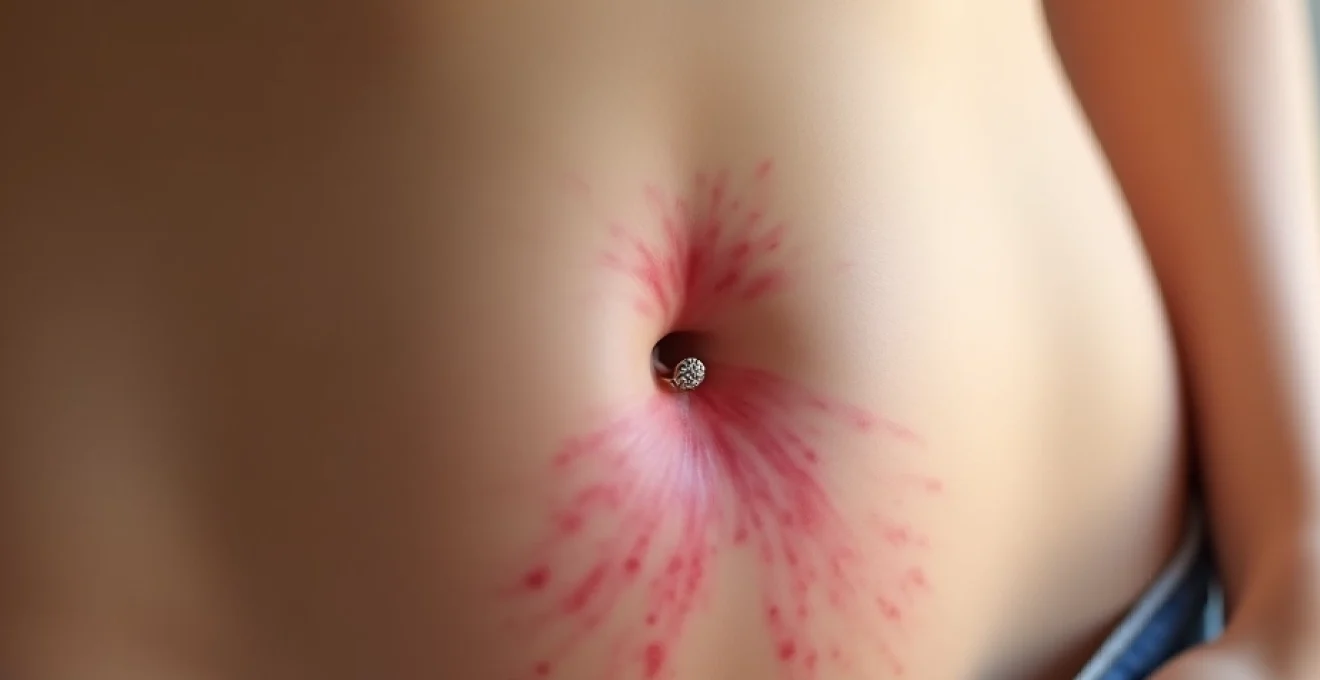
Belly button piercings rank among the most popular body modifications, yet they present unique healing challenges that many people underestimate. Unlike earlobe piercings that heal within weeks, navel piercings require months of careful attention and can sometimes fail to heal properly despite following aftercare instructions. The abdominal region presents a complex environment for wound healing, with multiple factors influencing the success or failure of the piercing process.
Understanding why some belly button piercings struggle to heal requires examining the intricate interplay between anatomy, technique, materials, and individual health factors. The navel area’s distinctive characteristics create an environment where healing complications can arise more frequently than with other piercing locations . From the unique tissue composition around the umbilicus to the constant movement and friction this area experiences, multiple variables contribute to healing difficulties.
Professional piercers and medical experts recognise that successful navel piercing healing depends on far more than basic aftercare routines. The complexity of factors involved explains why some individuals experience smooth healing journeys whilst others face persistent complications, infections, or complete rejection of the piercing. Recognising these potential obstacles allows for better preparation and more informed decisions about whether a belly button piercing is suitable for your specific circumstances.
Anatomical factors affecting navel piercing healing complications
The human navel presents unique anatomical challenges that significantly impact piercing healing success. Unlike other areas commonly pierced, the umbilical region contains complex tissue layers and scarring from embryonic development that create an inherently challenging environment for foreign object integration.
Umbilical scar tissue density and collagen formation irregularities
The navel represents the remnant of the umbilical cord attachment, creating a naturally scarred area with dense, irregular collagen formations. This existing scar tissue exhibits different healing properties compared to virgin skin, often displaying reduced elasticity and altered blood flow patterns. The density variations within umbilical scar tissue can create uneven healing responses , with some areas accepting piercing more readily than others.
Collagen formation irregularities in the navel region stem from the developmental process that occurred during foetal growth. The umbilical cord’s detachment leaves behind tissue that has already undergone significant remodelling, resulting in a matrix that may resist further modification. These pre-existing structural changes can lead to unpredictable healing responses when a piercing creates additional trauma to the area.
Blood vessel distribution patterns in periumbilical region
The periumbilical region demonstrates sparse vascularisation compared to other body areas, creating challenges for adequate nutrient delivery during the healing process. Blood vessel distribution around the navel follows an irregular pattern, with some areas receiving robust circulation whilst others remain relatively avascular. This uneven blood supply can result in patchy healing, where portions of the piercing tract heal normally whilst other areas struggle with inadequate oxygen and nutrient delivery.
Research indicates that the abdominal wall’s vascular architecture contributes significantly to healing complications in navel piercings. Areas with insufficient blood flow cannot support the intensive cellular activity required for successful wound closure and tissue integration around piercing jewellery. The limited vascular network explains why navel piercings typically require longer healing periods compared to areas with more robust blood supply.
Lymphatic drainage insufficiency around naval area
Lymphatic drainage around the navel region often proves insufficient for managing the increased fluid production and waste removal required during piercing healing. The lymphatic vessels in this area follow complex pathways that may become compromised or overwhelmed when dealing with the inflammatory response triggered by piercing. Poor lymphatic drainage can lead to persistent swelling, delayed healing, and increased susceptibility to infection.
The anatomical position of the navel creates natural pooling areas where lymphatic fluid can accumulate rather than drain efficiently. This stagnation provides an environment where bacteria can proliferate and healing processes become impaired. Understanding these drainage limitations helps explain why some individuals experience prolonged swelling and complications even with proper aftercare.
Sebaceous gland activity and natural oil production variations
Sebaceous gland distribution and activity around the navel varies significantly between individuals, influencing the local environment where piercing healing occurs. Some people possess highly active sebaceous glands in the periumbilical region, creating an oily environment that can interfere with healing processes. Conversely, individuals with minimal sebaceous activity may experience excessive dryness that also impedes proper healing.
The natural oils produced by sebaceous glands can either support or hinder piercing healing depending on their composition and quantity. Excessive sebaceous activity can trap bacteria and debris around the piercing site , whilst insufficient oil production can lead to tissue desiccation and delayed wound closure. This biological variability explains why identical aftercare routines produce different healing outcomes in different individuals.
Piercing technique errors contributing to delayed healing
Technical errors during the piercing process can significantly compromise healing outcomes, even when subsequent aftercare follows best practices. Professional expertise in navel piercing requires understanding the unique anatomical considerations and employing appropriate techniques to minimise trauma and optimise healing conditions.
Incorrect needle gauge selection for tissue thickness
Selecting an inappropriate needle gauge for the individual’s tissue thickness represents a common technical error that can severely impact healing success. Using needles that are too small for thick tissue can create excessive trauma as the needle struggles to penetrate cleanly, whilst oversized needles in thin tissue can cause unnecessary damage and prolonged healing times. The standard 14-gauge recommendation doesn’t account for individual anatomical variations that require customised approaches.
Professional piercers must assess tissue density, thickness, and composition before selecting the appropriate needle gauge. Incorrect gauge selection can lead to irregular piercing channels that heal poorly or become prone to complications . The relationship between needle size and tissue characteristics directly influences the initial trauma level and subsequent healing trajectory.
Improper entry and exit point positioning
Precise positioning of entry and exit points requires careful consideration of individual navel anatomy and the intended jewellery placement. Incorrectly positioned piercings can create uneven tension on the healing tissue, leading to migration, rejection, or prolonged healing times. The entry point must account for the navel’s natural contours and the person’s typical posture and movement patterns.
Exit point placement proves equally critical, as misalignment can create awkward angles that interfere with natural healing processes. When entry and exit points don’t align properly with the tissue’s natural structure, the piercing channel experiences constant stress that impedes cellular repair and integration. This technical precision requires extensive experience and understanding of navel anatomy variations.
Inadequate tissue compression during piercing process
Proper tissue compression during the piercing procedure ensures clean needle penetration and minimises trauma to surrounding tissues. Inadequate compression can result in tissue tearing rather than clean cutting, creating irregular wound edges that heal poorly. The loose, mobile nature of abdominal tissue requires specific techniques to maintain appropriate tension during needle insertion.
Professional piercers use specialised clamps and positioning techniques to achieve optimal tissue compression without compromising blood flow or causing excessive discomfort. Insufficient compression leads to ragged piercing channels that provide numerous sites for bacterial colonisation and delayed healing responses. The initial tissue trauma largely determines the healing trajectory for the entire recovery period.
Jewellery threading mistakes causing Micro-Trauma
Threading jewellery through the fresh piercing channel requires careful technique to avoid additional trauma to the newly created wound. Rough or hurried jewellery insertion can cause micro-tears in the piercing tract, creating additional sites for infection and prolonging the healing process. The jewellery must be inserted smoothly and efficiently to minimise tissue disruption.
Threading errors often occur when piercers attempt to force jewellery through channels that haven’t been created with appropriate dimensions or when using jewellery that doesn’t match the piercing specifications. These micro-traumas may seem minor initially but can significantly impact long-term healing success by creating irregular surfaces that resist proper tissue integration.
Jewellery material biocompatibility issues
The biocompatibility of piercing jewellery plays a crucial role in determining healing success, with material selection proving particularly important for navel piercings due to their extended healing periods. Poor material choices can trigger allergic reactions, chronic inflammation, or tissue rejection that prevents proper healing regardless of aftercare quality.
Surgical-grade materials such as implant-grade titanium (ASTM F136), surgical steel (ASTM F138), or solid gold (14-karat or higher) provide the best biocompatibility for most individuals. These materials resist corrosion, minimise allergic reactions, and maintain structural integrity throughout the healing process. Lower-grade materials can leach harmful substances into the healing tissue , causing persistent irritation and delayed healing responses.
Nickel-containing alloys represent the most common source of allergic reactions in piercing jewellery, with sensitivity rates reaching 15-20% in the general population. Even small amounts of nickel can trigger contact dermatitis, leading to persistent inflammation, discharge, and failure to heal. The extended healing period for navel piercings increases exposure time to potentially problematic materials, making high-quality jewellery selection essential.
The quality of initial jewellery selection often determines whether a navel piercing will heal successfully or experience chronic complications throughout its recovery period.
Surface treatments and coatings on lower-grade jewellery can wear away over time, exposing the underlying base metals and triggering delayed allergic reactions. This phenomenon explains why some piercings initially appear to heal well before developing complications weeks or months later. Investing in high-quality, biocompatible jewellery from the outset provides the best foundation for successful healing.
Bacterial contamination and infection pathways
Bacterial contamination represents one of the most significant threats to successful navel piercing healing, with the abdominal region’s warm, moist environment providing ideal conditions for microbial growth. Understanding common infection pathways and bacterial species involved helps explain why some piercings develop persistent complications despite apparent adherence to aftercare protocols.
Staphylococcus aureus colonisation in piercing channel
Staphylococcus aureus commonly colonises fresh piercing channels, particularly in the navel region where skin folds and clothing contact create favourable conditions for bacterial establishment. This opportunistic pathogen can transition from harmless colonisation to active infection when conditions become favourable, such as during periods of compromised immune function or inadequate hygiene. S. aureus produces biofilms that protect it from both immune responses and topical treatments , making established infections particularly challenging to resolve.
The bacterium’s ability to adhere to both skin tissue and metallic surfaces allows it to establish persistent colonies within the piercing channel. Once established, S. aureus can cause chronic low-grade infections that prevent proper healing whilst remaining below the threshold for obvious clinical symptoms. This subclinical infection state explains why some piercings appear to heal slowly without clear signs of acute infection.
Pseudomonas aeruginosa growth in moist environments
Pseudomonas aeruginosa thrives in moist environments and commonly contaminates navel piercings, particularly when aftercare involves excessive moisture exposure or inadequate drying practices. This gram-negative bacterium produces characteristic blue-green pigments and has a distinctive sweet, grape-like odour that can help identify its presence. P. aeruginosa infections tend to be more aggressive than staphylococcal infections and often require systemic antibiotic treatment.
The bacterium’s resistance to many common antiseptics and its ability to form protective biofilms make pseudomonas infections particularly problematic in piercing healing. Environmental sources include contaminated water supplies, inadequately cleaned aftercare supplies, or exposure to moist surfaces during the healing period. Pseudomonas contamination often occurs through water exposure during activities like swimming or bathing , highlighting the importance of keeping healing piercings dry and protected.
Streptococcus pyogenes transmission routes
Streptococcus pyogenes, also known as Group A Streptococcus, can cause aggressive soft tissue infections in healing navel piercings. This pathogen typically enters through breaks in the skin barrier created during the piercing process or through subsequent trauma to the healing site. Streptococcal infections can progress rapidly and may require immediate medical intervention to prevent serious complications.
Transmission routes for S. pyogenes include direct contact with infected individuals, contaminated instruments or supplies, or transfer from other body sites where the bacteria naturally reside. The bacterium’s ability to produce tissue-destructive enzymes can lead to rapid progression of infection and tissue damage around the piercing site. Recognition of streptococcal infection signs, including rapid onset of severe pain, spreading redness, and systemic symptoms, requires immediate medical attention.
Systemic health conditions impeding wound repair
Individual health status significantly influences piercing healing success, with certain systemic conditions creating environments that impede normal wound repair processes. These underlying health factors may not be immediately apparent but can dramatically affect healing outcomes regardless of proper technique and aftercare compliance.
Diabetes mellitus represents one of the most significant systemic factors affecting wound healing in navel piercings. Elevated blood glucose levels impair cellular function, reduce immune response effectiveness, and compromise blood vessel integrity. Diabetic individuals experience delayed healing times and increased infection risks due to these metabolic disruptions. Poor glucose control can extend normal healing periods from months to over a year, with some piercings never achieving complete healing.
Autoimmune conditions such as rheumatoid arthritis, lupus, or inflammatory bowel disease can significantly impact piercing healing through chronic inflammation and immune system dysregulation. These conditions often require immunosuppressive medications that further compromise the body’s ability to heal wounds and fight infections. The inflammatory nature of these conditions can create persistent irritation around piercing sites, preventing the resolution of the healing process.
Nutritional deficiencies, particularly in vitamins C, D, and zinc, can severely impair wound healing processes essential for successful piercing recovery. Vitamin C deficiency affects collagen synthesis, whilst zinc deficiency impacts cellular division and protein synthesis. These nutritional factors often go unrecognised as contributors to healing complications , yet they play fundamental roles in tissue repair and immune function.
Systemic health factors often determine piercing healing success more significantly than external aftercare practices, highlighting the importance of overall health assessment before piercing.
Hormonal fluctuations, particularly those related to menstrual cycles, pregnancy, or hormonal therapies, can influence healing rates and infection susceptibility. Oestrogen and progesterone levels affect tissue elasticity, blood flow, and immune response patterns. These cyclical changes explain why some individuals experience periodic healing setbacks or increased sensitivity during certain times of the month.
Environmental and lifestyle interference factors
Environmental exposures and lifestyle choices create significant variables in navel piercing healing success, often determining whether technically sound piercings achieve complete healing or develop chronic complications. The modern lifestyle presents numerous challenges to optimal healing conditions that require conscious management and adjustment.
Clothing friction represents one of the most common environmental factors impeding navel piercing healing. Tight-fitting garments, particularly those with rough seams or synthetic materials, can cause constant irritation and micro-trauma to healing piercings. The constant movement and friction from clothing creates chronic inflammation that prevents proper tissue integration . Waistbands that sit directly over the piercing site can cause particular problems, leading to migration, rejection, or persistent irritation.
Exercise and physical activity patterns significantly influence healing outcomes, with certain activities creating environments that favour complications. High-impact exercises, swimming, and activities involving abdominal stretching can disrupt healing tissues and introduce contaminants. The increased sweating associated with exercise creates moist environments that favour bacterial growth whilst movement can cause mechanical trauma to delicate healing tissues.
Sleep positions and habits often go unconsidered but play crucial roles in healing success. Stomach sleeping can place direct pressure on navel piercings, impeding blood flow and causing irritation throughout the night. Sleep clothing that bunches or twists around the piercing area can cause similar problems. Quality sleep is essential for immune function and tissue repair , making comfortable sleep positioning a critical factor in healing success.
Workplace environments may present unique challenges to navel piercing healing, particularly in dusty, dirty, or physically demanding occupations. Exposure to airborne contaminants, chemicals, or repetitive physical movements can interfere with healing processes. Healthcare workers, food service employees, and manual labourers face particular challenges in maintaining optimal healing conditions throughout their work shifts.
Stress levels and psychological factors influence healing through their effects on immune function and hormonal balance. Chronic stress elevates cortis
ol levels, which directly inhibit cellular repair mechanisms and compromise immune function. Emotional stress can manifest physically through increased muscle tension, particularly in the abdominal region, creating additional mechanical stress on healing piercings. The psychological burden of dealing with piercing complications can create a negative feedback loop where stress impedes healing, leading to more complications and increased stress levels.
Social and cultural factors may influence healing through their impact on aftercare compliance and lifestyle modifications. Peer pressure to engage in activities that compromise healing, such as swimming or wearing certain clothing styles, can undermine recovery efforts. Cultural attitudes toward body modification and healthcare seeking behaviour affect how quickly individuals address complications when they arise, with delayed intervention often leading to more serious healing problems.
Seasonal environmental factors present additional challenges, with summer months increasing exposure to swimming pools, beaches, and excessive sweating that can compromise healing conditions. Winter months may create problems through dry air, heavy clothing, and reduced vitamin D synthesis. Understanding these cyclical environmental challenges allows for better preparation and modification of aftercare routines to accommodate seasonal variations in healing conditions.
The cumulative effect of multiple environmental and lifestyle factors often determines healing outcomes more than any single variable. Individuals who can identify and modify problematic environmental exposures whilst maintaining healthy lifestyle practices significantly improve their chances of successful navel piercing healing. This comprehensive approach requires ongoing assessment and adjustment throughout the extended healing period typical of navel piercings.