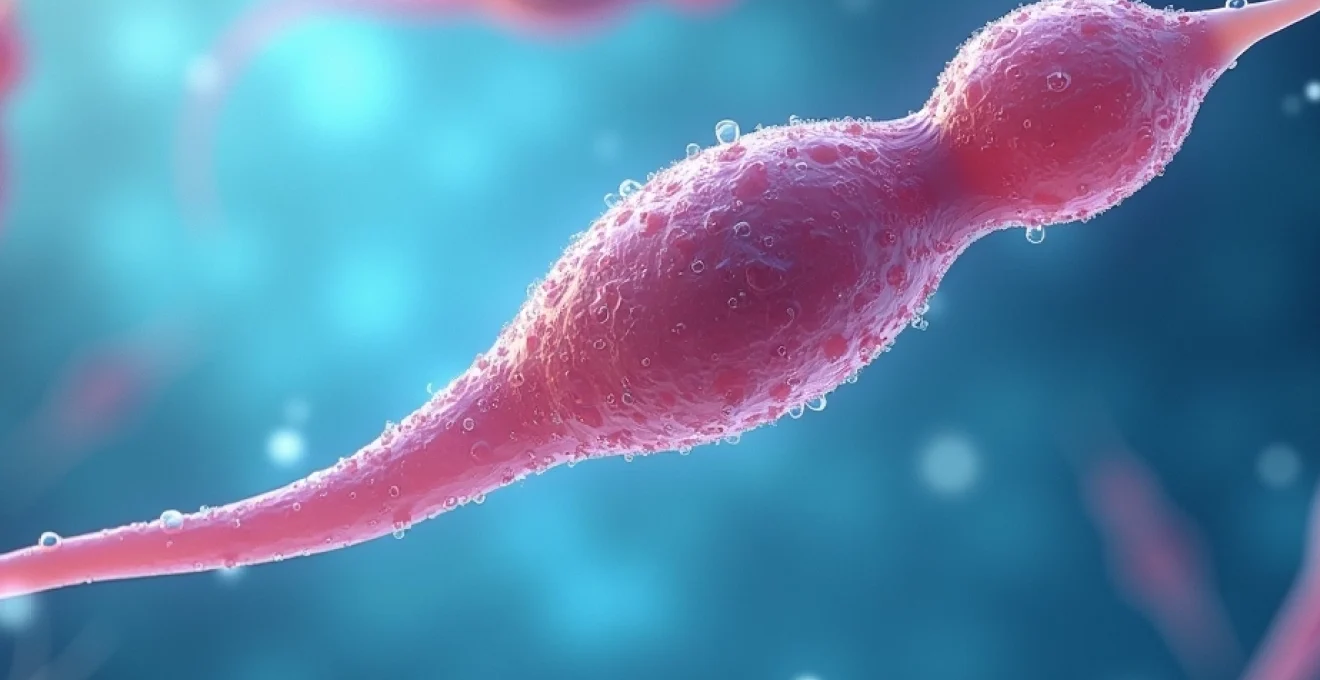
The consistency of semen can vary significantly between individuals and even between ejaculations from the same person. When men notice their ejaculate appears thicker, more viscous, or gelatinous than usual, it often raises concerns about reproductive health. Understanding the mechanisms behind semen viscosity reveals that gelatinous sperm is frequently a normal physiological process, though certain conditions can create abnormal levels of thickness that may impact fertility.
Semen undergoes a complex transformation from its initial coagulated state to eventual liquefaction, involving intricate biochemical processes orchestrated by various glands in the male reproductive system. This natural coagulation serves important biological functions, including protecting sperm during their journey through the female reproductive tract. However, when this process becomes disrupted or excessive, it can create concerns for both reproductive health and fertility outcomes.
Understanding normal semen viscosity and coagulation mechanisms
Normal semen viscosity results from a carefully orchestrated biochemical process involving multiple proteins and enzymes produced by different components of the male reproductive system. Upon ejaculation, semen initially appears thick and gel-like due to the presence of coagulation proteins, particularly those secreted by the seminal vesicles. This initial coagulation serves as a protective mechanism, ensuring sperm remain concentrated and protected within the female reproductive tract immediately following intercourse.
The transformation from liquid to gel and back to liquid again represents one of nature’s most sophisticated biological processes. Within minutes of ejaculation, proteolytic enzymes begin breaking down the coagulated proteins, gradually restoring the semen to a more liquid consistency. This liquefaction process typically occurs within 15 to 30 minutes under normal physiological conditions, allowing sperm to achieve optimal motility for successful fertilisation.
Semenogelin protein functions in ejaculate consistency
Semenogelin I and II represent the primary proteins responsible for semen coagulation, accounting for approximately 70% of the total protein content in seminal plasma. These proteins, produced exclusively by the seminal vesicles, create cross-linked networks that give freshly ejaculated semen its characteristic gel-like consistency. The concentration of semenogelin directly correlates with the degree of viscosity observed in the ejaculate, with higher concentrations producing more pronounced gelatinous characteristics.
Research indicates that semenogelin proteins serve multiple functions beyond simple coagulation. They provide antimicrobial properties that help protect sperm from bacterial infections during their transit through the female reproductive system. Additionally, these proteins may play a role in sperm capacitation, the process by which sperm acquire the ability to fertilise an egg.
Prostatic secretions and zinc concentration effects
The prostate gland contributes approximately 30% of seminal fluid volume and produces several key components that influence semen viscosity. Prostatic secretions contain high concentrations of zinc, citric acid, and various enzymes that interact with proteins from the seminal vesicles. Zinc concentrations in prostatic fluid can reach levels 500 times higher than those found in blood plasma, creating an environment that significantly impacts protein structure and coagulation properties.
Prostate-specific antigen (PSA) and other proteolytic enzymes produced by the prostate play crucial roles in the subsequent liquefaction process. When prostatic function becomes compromised, either through infection, inflammation, or age-related changes, the balance between coagulation and liquefaction can shift dramatically, potentially resulting in persistently gelatinous semen that fails to liquefy properly.
Seminal vesicle contributions to gel formation
The seminal vesicles produce the largest volume of seminal fluid, typically accounting for 60-70% of total ejaculate volume. Beyond semenogelin proteins, these glands secrete fructose, prostaglandins, and various other proteins that contribute to gel formation. The fructose content provides essential energy for sperm motility, whilst prostaglandins may influence smooth muscle contractions within the female reproductive tract, potentially aiding sperm transport.
Seminal vesicle secretions also contain fibrinogen-like proteins that interact with semenogelin to create more complex gel matrices. When seminal vesicle function becomes altered due to infection, blockage, or other pathological conditions, the resulting changes in protein composition can lead to abnormally thick or gelatinous semen that may persist longer than the normal liquefaction timeframe.
Temperature-dependent viscosity changes Post-Ejaculation
Temperature plays a significant role in semen viscosity, with cooler temperatures generally increasing thickness whilst warmer temperatures promote liquefaction. This temperature sensitivity explains why semen may appear more gelatinous when exposed to cooler environmental conditions or when body temperature fluctuates. The optimal temperature range for normal semen consistency falls between 35-37°C, closely matching normal body temperature.
Understanding these temperature effects becomes particularly important when evaluating semen samples for diagnostic purposes. Laboratory analysis of semen viscosity must account for temperature variations to ensure accurate assessment of whether observed thickness represents normal physiological variation or indicates underlying pathology requiring medical intervention.
Pathological causes of excessive sperm gelatinisation
While some degree of semen thickness is normal, excessive gelatinisation can indicate underlying pathological conditions affecting the male reproductive system. These conditions often involve inflammatory processes, infections, or functional abnormalities in the glands responsible for semen production. Identifying pathological causes becomes crucial when gelatinous semen persists beyond normal liquefaction timeframes or accompanies other concerning symptoms.
Pathological semen gelatinisation typically results from disruptions in the delicate balance between coagulation and liquefaction processes. When inflammatory mediators, bacterial toxins, or hormonal imbalances interfere with normal protein production and enzyme function, the result can be persistently thick semen that fails to achieve proper consistency for optimal sperm function.
Prostatitis-related inflammatory protein alterations
Chronic prostatitis represents one of the most common causes of abnormal semen viscosity in men under 50 years of age. Inflammatory processes within the prostate gland can significantly alter the composition of prostatic secretions, leading to changes in protein concentrations and enzyme activity levels. These alterations often result in semen that remains gelatinous for extended periods, sometimes failing to liquefy completely even after several hours.
The inflammatory response associated with prostatitis increases the presence of white blood cells in prostatic secretions, which can release reactive oxygen species that damage normal proteins and enzymes. This oxidative stress can create a cascade of biochemical changes that perpetuate abnormal semen consistency, creating a cycle where inflammation leads to viscosity problems, which may further compromise reproductive function.
Seminal vesiculitis impact on fructose and gel matrix
Inflammation of the seminal vesicles, known as seminal vesiculitis, can dramatically alter the composition of seminal fluid, particularly affecting fructose levels and protein concentrations. This condition often occurs in conjunction with prostatitis but can also develop independently following urinary tract infections or sexually transmitted infections. When seminal vesicles become inflamed, their ability to produce normal quantities and qualities of semenogelin and other coagulation proteins becomes compromised.
Seminal vesiculitis frequently results in semen that exhibits unusual gel-like properties, sometimes appearing lumpy or containing visible clots. The altered protein matrix created by inflamed seminal vesicles can trap sperm cells, significantly reducing motility and potentially impacting fertility outcomes. Additionally, the inflammatory process may reduce fructose production, limiting the energy available to sperm cells for optimal function.
Epididymal dysfunction and protein secretion abnormalities
The epididymis plays a crucial role in sperm maturation and contributes various proteins to the final ejaculate composition. When epididymal function becomes impaired through infection, blockage, or congenital abnormalities, the resulting protein imbalances can contribute to abnormal semen viscosity. Epididymal dysfunction often manifests as changes in semen consistency accompanied by alterations in sperm concentration and motility.
Epididymitis, inflammation of the epididymis, can create conditions where normal protein secretions become altered, leading to semen that appears more gelatinous than usual. This condition frequently develops following bacterial infections that ascend through the urinary tract, creating inflammatory changes that persist even after the initial infection resolves. The resulting protein abnormalities can take weeks or months to normalise completely.
Dehydration effects on seminal plasma concentration
Dehydration represents a frequently overlooked cause of increased semen viscosity that can create concerning changes in ejaculate consistency. When fluid intake becomes inadequate, the body conserves water by concentrating all bodily fluids, including seminal plasma. This concentration effect can make normal coagulation proteins appear more pronounced, creating semen that seems unusually thick or gelatinous.
The relationship between hydration status and semen consistency becomes particularly apparent during periods of illness, intense physical activity, or inadequate fluid intake. Even mild dehydration can affect the delicate balance of proteins and enzymes responsible for normal semen viscosity. Maintaining adequate hydration through consistent fluid intake helps ensure optimal seminal plasma composition and normal liquefaction processes.
Liquefaction process disorders and enzymatic deficiencies
The liquefaction of semen represents a complex enzymatic process that can become disrupted through various mechanisms, leading to persistently gelatinous ejaculate. Understanding these enzymatic pathways reveals how specific deficiencies or inhibitions can create conditions where normal semen consistency cannot be achieved. These disorders often reflect underlying glandular dysfunction or systemic conditions that affect enzyme production and activity.
When liquefaction processes fail to function properly, the clinical implications extend beyond simple consistency changes. Impaired liquefaction can significantly reduce sperm motility, as sperm cells become trapped within persistent gel matrices that prevent normal swimming patterns. This mechanical obstruction to sperm movement represents a significant factor in male fertility problems associated with abnormal semen viscosity.
Prostate-specific antigen (PSA) proteolytic activity reduction
PSA functions as the primary enzyme responsible for breaking down semenogelin proteins during the liquefaction process. When PSA production decreases or when enzyme activity becomes inhibited, semen may remain gelatinous for extended periods. This reduction in proteolytic activity can result from various factors, including prostatic inflammation, hormonal imbalances, or age-related changes in glandular function.
Measuring PSA levels in seminal fluid provides valuable diagnostic information about liquefaction disorders. However, the relationship between serum PSA levels and seminal fluid PSA activity is not always straightforward, as local prostatic conditions can affect enzyme function independently of circulating hormone levels. Understanding these nuances becomes important when evaluating men with persistent semen viscosity problems.
Plasminogen activator system malfunctions
The plasminogen activator system represents another crucial pathway involved in semen liquefaction, working in conjunction with PSA to break down protein matrices. This system includes tissue plasminogen activator (tPA) and urokinase plasminogen activator (uPA), both of which contribute to the proteolytic breakdown of coagulated semen. When this system malfunctions, the result can be incomplete liquefaction and persistently thick semen.
Plasminogen activator system dysfunction often occurs in conjunction with other enzymatic abnormalities, creating complex patterns of liquefaction failure. These combined deficiencies can produce semen that exhibits varying degrees of thickness and may contain visible clots or gel-like particles that persist for hours after ejaculation. Identifying these system-level problems requires sophisticated laboratory analysis of multiple enzymatic pathways.
Hyaluronidase enzyme insufficiency patterns
Hyaluronidase enzymes play supporting roles in semen liquefaction by breaking down hyaluronic acid and other glycosaminoglycans present in seminal plasma. When hyaluronidase activity becomes insufficient, these substrates can accumulate and contribute to abnormal semen viscosity. This enzyme insufficiency often develops secondary to inflammatory conditions or as a result of genetic variations affecting enzyme production.
The clinical presentation of hyaluronidase insufficiency typically involves semen that exhibits unusual stringiness or contains gel-like particles that resist normal liquefaction processes. These characteristics can be particularly pronounced in men with chronic inflammatory conditions affecting the reproductive tract, where ongoing inflammation may impair enzyme production and activity over extended periods.
Hormonal influences on seminal fluid composition
Hormonal regulation plays a fundamental role in controlling the production and composition of seminal fluid components that influence viscosity. Testosterone, dihydrotestosterone, and other androgens directly regulate the secretory activity of the prostate, seminal vesicles, and epididymis. When hormonal balance becomes disrupted, whether through age-related decline, medical conditions, or external factors, the resulting changes in glandular function can significantly alter semen consistency and create conditions favouring excessive gelatinisation.
The relationship between hormonal status and semen viscosity extends beyond simple androgen levels to include complex interactions involving growth factors, cytokines, and other signalling molecules. These hormonal influences affect not only the quantity of proteins and enzymes produced by reproductive glands but also their qualitative characteristics, including enzymatic activity levels and protein structural properties. Understanding these relationships becomes crucial when evaluating men with persistent semen viscosity problems, particularly in cases where standard treatments have proven ineffective.
Age-related hormonal changes represent a particularly important consideration, as testosterone levels typically begin declining after age 30 at a rate of approximately 1-2% per year. This gradual decline can create subtle changes in seminal fluid composition that accumulate over time, potentially leading to increased viscosity and altered liquefaction patterns. Additionally, age-related changes in prostatic tissue can affect local hormone metabolism, creating microenvironments where normal enzymatic processes become compromised even when systemic hormone levels remain within acceptable ranges.
Research indicates that men with testosterone deficiency show significant alterations in seminal plasma protein profiles, with particular changes affecting proteins involved in coagulation and liquefaction processes.
Lifestyle factors affecting ejaculate viscosity parameters
Various lifestyle factors can significantly influence semen viscosity through their effects on overall health, hormonal balance, and reproductive gland function. Dietary choices, physical activity levels, substance use, and environmental exposures all contribute to the complex interplay of factors determining ejaculate consistency. Understanding these relationships empowers men to make informed decisions about lifestyle modifications that may improve semen quality and reduce problems with excessive thickness or gelatinisation.
Hydration status represents one of the most immediately modifiable factors affecting semen viscosity. Adequate fluid intake helps maintain optimal seminal plasma composition and supports normal enzymatic processes involved in liquefaction. Conversely, chronic dehydration can concentrate proteins and other components, creating conditions that favour increased viscosity. The recommended fluid intake for optimal reproductive health typically exceeds general hydration guidelines, with emphasis on water and other non-caffeinated, non-alcoholic beverages.
Dietary factors influence semen viscosity through multiple pathways, including effects on inflammation, antioxidant status, and micronutrient availability. Foods rich in antioxidants, such as fruits and vegetables, can help protect against oxidative stress that may impair normal enzymatic functions. Conversely, diets high in processed foods and saturated fats may promote inflammatory conditions that alter seminal fluid composition. Zinc and selenium represent particularly important micronutrients for reproductive health, as deficiencies in these elements can directly affect prostatic function and enzyme production.
Physical activity levels affect semen viscosity through their influence on hormonal balance, circulation, and overall metabolic health. Regular moderate exercise typically supports optimal reproductive function by maintaining healthy testosterone levels and promoting good circulation to reproductive organs. However, excessive exercise, particularly endurance activities or those involving significant heat exposure, can create temporary increases in semen viscosity through dehydration and hormonal fluctuations. Finding the optimal balance of physical activity becomes important for men concerned about semen quality.
Studies suggest that men who maintain regular moderate exercise patterns show more consistent semen parameters, including viscosity measurements, compared to both sedentary individuals and those engaging in extreme exercise regimens.
Clinical assessment methods for abnormal semen gelification
Proper clinical assessment of abnormal semen gelification requires a systematic approach combining detailed history-taking, physical examination, and specialised laboratory testing. Healthcare providers must distinguish between normal physiological variations in semen consistency and pathological conditions requiring medical intervention. This differentiation becomes particularly important given that many men may experience occasional changes in ejaculate thickness without underlying disease, whilst others may have significant reproductive tract pathology that requires prompt treatment.
Initial clinical evaluation begins with a comprehensive medical history focusing on reproductive health, recent infections, medications, and lifestyle factors that might contribute to semen viscosity changes. Healthcare providers should inquire about the duration and frequency of abnormal consistency, associated symptoms such as pain or burning during ejaculation, and any recent changes in sexual activity patterns. Physical examination typically includes assessment of the external genitalia, digital rectal examination to evaluate prostatic size and consistency, and palpation of the epididymis and vas deferens to identify potential sources of obstruction or inflammation.
Laboratory assessment represents the cornerstone of diagnosing abnormal semen gelification, with semen analysis providing detailed information about viscosity, liquefaction time, and associated parameters. Standard semen analysis includes measurement of viscosity using standardised techniques, typically involving assessment of thread length when semen is drawn up with a pipette or needle. Normal semen should form threads of less than 2 centimetres in length, with longer threads indicating increased viscosity that may impair sperm function.
Advanced testing methods may include measurement of specific proteins involved in coagulation and liquefaction processes, such as semenogelin levels and PSA activity within seminal plasma. These specialised tests can help identify specific enzymatic deficiencies or protein abnormalities contributing to persistent gelification. Additionally, microscopic examination of semen samples can reveal the presence of white blood cells, bacteria, or other inflammatory markers that might indicate underlying infectious or inflammatory conditions affecting viscosity.
Timing of semen collection and analysis becomes crucial for accurate assessment, as normal physiological variations in viscosity can occur throughout the day and between ejaculations. Healthcare providers typically recommend abstinence periods of 2-7 days before collection to ensure representative samples that reflect normal physiological conditions. Temperature control during transport and analysis also requires careful attention, as viscosity measurements can be significantly affected by temperature variations during the collection and testing process.
Clinical studies demonstrate that proper timing and handling of semen samples can improve the accuracy of viscosity measurements by up to 30%, highlighting the importance of standardised collection protocols in reproductive medicine.
When initial assessments reveal abnormal viscosity patterns, additional imaging studies may be warranted to evaluate structural abnormalities within the reproductive tract. Transrectal ultrasound can provide detailed visualisation of the prostate gland and seminal vesicles, helping identify inflammation, calcifications, or other pathological changes that might contribute to altered semen composition. Scrotal ultrasound may also be beneficial in cases where epididymal dysfunction is suspected, allowing assessment of testicular and epididymal anatomy and blood flow patterns.
Hormonal evaluation becomes particularly important in cases where multiple reproductive parameters appear abnormal alongside viscosity changes. Testosterone levels, luteinising hormone, follicle-stimulating hormone, and prolactin measurements can help identify endocrine factors contributing to reproductive gland dysfunction. These hormonal assessments should be performed in the morning when testosterone levels are typically at their peak, and may need to be repeated over time to establish patterns and monitor treatment responses.
Follow-up assessment protocols vary depending on the severity of viscosity abnormalities and associated symptoms. Men with mild viscosity increases and no accompanying symptoms may require only periodic monitoring with repeat semen analyses every 3-6 months. However, those with severe hyperviscosity, persistent symptoms, or concerns about fertility typically benefit from more frequent evaluation and comprehensive treatment approaches targeting identified underlying causes.
The integration of clinical assessment results requires careful consideration of all contributing factors, as semen viscosity represents the end result of complex interactions between multiple physiological systems. Healthcare providers must weigh the relative contributions of lifestyle factors, hormonal influences, inflammatory conditions, and structural abnormalities when developing treatment plans. This comprehensive approach ensures that interventions address root causes rather than simply attempting to modify viscosity measurements in isolation from underlying pathophysiology.
Documentation of assessment findings becomes particularly important for monitoring treatment progress and identifying patterns that might not be apparent from individual test results. Standardised reporting systems help ensure consistency in viscosity measurements and facilitate communication between healthcare providers when referrals or specialist consultations become necessary. This systematic approach to clinical assessment provides the foundation for effective management of abnormal semen gelification and optimisation of reproductive health outcomes.