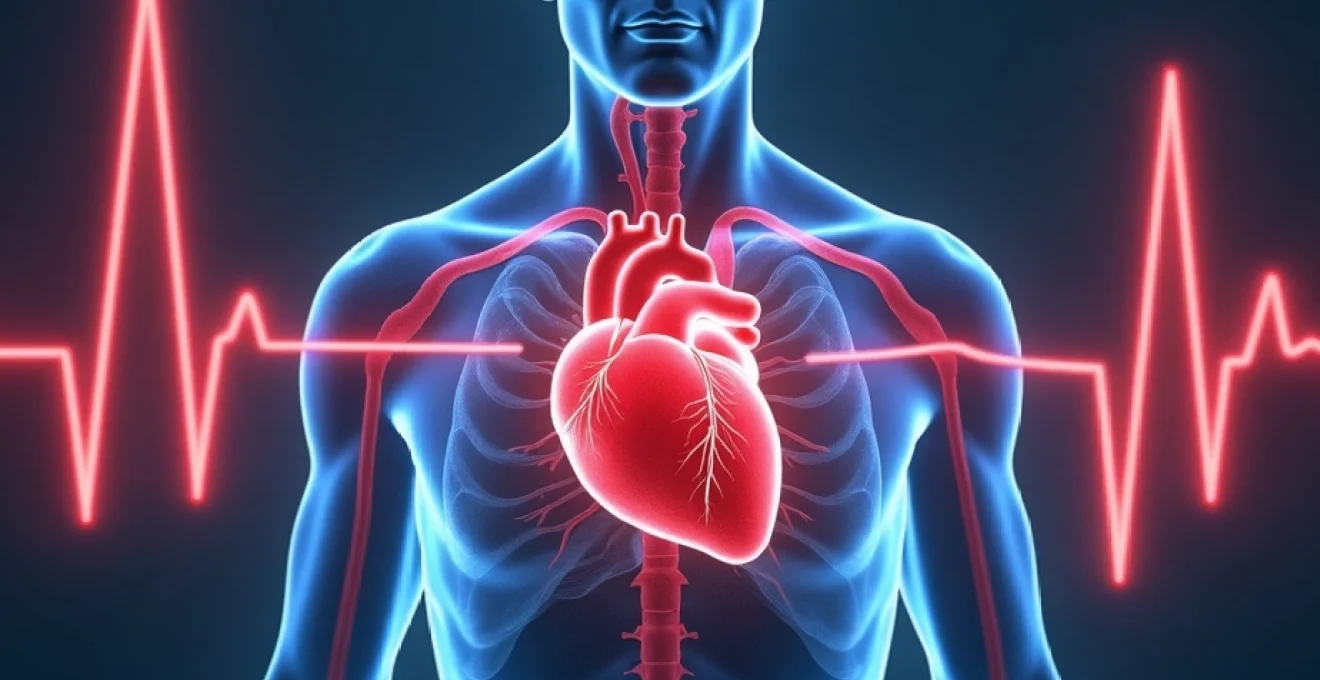
Awakening to the sensation of your heart pounding can be both alarming and disorienting. This phenomenon, medically known as morning tachycardia, affects millions of people worldwide and represents a complex interplay between our body’s natural circadian rhythms, sleep architecture, and various physiological processes. The experience of waking up with a racing heart rate can range from a mild awareness of accelerated heartbeats to intense palpitations that leave you feeling anxious and breathless.
Understanding why your cardiovascular system responds this way upon awakening involves examining the intricate mechanisms that govern our sleep-wake transitions. Your heart doesn’t simply switch from a resting state to an active one—it undergoes a sophisticated series of adjustments orchestrated by hormonal fluctuations, nervous system activation, and the body’s preparation for the demands of wakefulness. Morning heart racing can stem from natural physiological processes or indicate underlying medical conditions that require attention.
The distinction between normal morning cardiovascular activation and problematic tachycardia lies in understanding the various contributing factors. While some degree of heart rate elevation upon awakening is perfectly normal, persistent or severe episodes warrant closer examination. Research indicates that approximately 15-20% of adults experience noticeable heart palpitations upon waking, with varying degrees of frequency and intensity affecting their daily lives.
Physiological mechanisms behind morning tachycardia episodes
The human cardiovascular system operates under the influence of sophisticated regulatory mechanisms that prepare the body for daily activities. When you transition from sleep to wakefulness, multiple physiological processes activate simultaneously, creating what researchers term the “morning surge” phenomenon. This natural awakening process involves coordinated changes in blood pressure, heart rate, and vascular tone that can sometimes manifest as noticeable heart racing.
Circadian rhythm disruption and heart rate variability
Your internal biological clock, governed by the suprachiasmatic nucleus in the brain, orchestrates daily fluctuations in cardiovascular function. Circadian rhythm disruption significantly impacts heart rate variability, particularly during the critical transition period between sleep and wakefulness. Research demonstrates that shift workers and individuals with irregular sleep schedules experience more frequent morning tachycardia episodes compared to those with consistent sleep-wake patterns.
The circadian control of cardiovascular function involves complex molecular mechanisms that influence ion channel activity in cardiac cells. Studies show that certain genetic variations affect how individuals respond to circadian rhythm disruptions, making some people more susceptible to morning heart racing. Temperature regulation, another circadian-controlled function, also influences heart rate variability, with body temperature fluctuations contributing to cardiovascular activation patterns.
Sympathetic nervous system activation during Sleep-Wake transitions
The sympathetic nervous system plays a crucial role in preparing your body for wakefulness through the release of norepinephrine and epinephrine. This activation occurs approximately 30-60 minutes before natural awakening, initiating a cascade of physiological changes that include increased heart rate and blood pressure. Sympathetic activation during sleep-wake transitions represents an evolutionary adaptation that ensured our ancestors were physically ready to respond to morning challenges.
Modern lifestyle factors can amplify this natural sympathetic response, leading to more pronounced morning tachycardia. Chronic stress, caffeine consumption, and sleep deprivation all enhance sympathetic nervous system sensitivity, making morning heart racing more noticeable and potentially problematic. The balance between sympathetic and parasympathetic activity determines whether your awakening experience feels comfortable or alarming.
Cortisol release patterns and cardiovascular response
Cortisol, often called the “stress hormone,” follows a predictable circadian pattern with peak levels occurring 30-45 minutes after awakening. This cortisol awakening response serves essential functions in mobilising energy resources and preparing the cardiovascular system for daily activities. Recent research has revealed that cortisol directly influences cardiac ion channels, affecting electrical conduction through the heart and potentially triggering arrhythmias in susceptible individuals.
Research funded by leading medical institutions has revealed for the first time a mechanism explaining why potentially dangerous heart rhythm disturbances are more likely to occur in the morning, linked to the natural surge of cortisol that peaks in our blood first thing upon awakening.
The relationship between cortisol and morning tachycardia becomes particularly relevant for individuals with anxiety disorders, chronic stress, or adrenal dysfunction. Elevated cortisol levels can persist throughout the day when the stress response system becomes dysregulated, leading to more frequent episodes of heart racing not limited to morning hours.
Adrenaline surge effects on cardiac output
Adrenaline (epinephrine) release during awakening directly impacts cardiac output through increased heart rate and contractility. This natural adrenaline surge ensures adequate blood flow to vital organs as you transition from the relatively hypometabolic state of sleep to active wakefulness. The magnitude of this response varies significantly between individuals, with some people experiencing pronounced effects that manifest as noticeable heart palpitations.
Factors influencing adrenaline sensitivity include genetic variations in adrenergic receptors, thyroid hormone levels, and overall cardiovascular fitness. Athletes and individuals with well-conditioned cardiovascular systems often experience less dramatic morning heart rate changes, while sedentary individuals may notice more pronounced effects. Understanding your personal response patterns can help distinguish between normal physiological variations and potentially concerning symptoms.
Sleep architecture disorders contributing to morning heart palpitations
Sleep disorders significantly impact the quality of sleep-wake transitions and can contribute to morning cardiovascular symptoms. The architecture of normal sleep involves precisely orchestrated cycles of non-REM and REM sleep, each phase characterised by distinct physiological changes affecting heart rate, blood pressure, and autonomic nervous system activity. Disruptions to this natural architecture can result in abrupt awakenings accompanied by pronounced cardiovascular symptoms.
REM sleep behaviour disorder and cardiac arrhythmias
REM sleep behaviour disorder (RBD) involves the loss of normal muscle atonia during REM sleep, leading to physical enactment of dreams. This condition often coincides with increased cardiovascular instability, including elevated heart rate and blood pressure during REM episodes. Cardiac arrhythmias associated with RBD can persist into the awakening period, manifesting as morning heart racing or palpitations.
The relationship between RBD and cardiovascular symptoms extends beyond immediate sleep disturbances. Research indicates that individuals with RBD have higher rates of autonomic nervous system dysfunction, which can contribute to both sleep-related and morning cardiovascular symptoms. Early recognition and treatment of RBD may help reduce associated morning tachycardia episodes.
Sleep apnoea syndrome impact on morning heart rate
Obstructive sleep apnoea (OSA) creates repetitive cycles of oxygen desaturation and arousal throughout the night, placing significant strain on the cardiovascular system. The intermittent hypoxia characteristic of OSA triggers sympathetic nervous system activation and leads to elevated morning blood pressure and heart rate. Sleep apnoea syndrome affects an estimated 25% of middle-aged adults, making it a common contributor to morning cardiovascular symptoms.
The pathophysiology of OSA-related morning tachycardia involves multiple mechanisms including increased oxidative stress, inflammation, and endothelial dysfunction. These changes persist beyond the immediate apnoeic episodes, creating a state of cardiovascular hypervigilance that can manifest as morning heart racing. Continuous positive airway pressure (CPAP) therapy effectively reduces both sleep-disordered breathing and associated morning cardiovascular symptoms in most patients.
Night terror episodes and tachycardic awakening
Night terrors, distinct from nightmares, occur during non-REM sleep and involve intense autonomic activation including rapid heart rate, sweating, and feelings of panic. These episodes often culminate in abrupt awakening with pronounced tachycardic symptoms that can persist for several minutes. Unlike nightmares, individuals typically have little or no recollection of the triggering event, making night terrors a particularly distressing cause of morning heart racing.
The physiological response during night terror episodes resembles the fight-or-flight reaction, with massive sympathetic nervous system activation and stress hormone release. This intense cardiovascular stimulation can create lasting effects that extend into the morning hours, contributing to feelings of anxiety and continued heart rate elevation even after the episode has resolved.
Hypnagogic hallucinations triggering Fight-or-Flight response
Hypnagogic hallucinations occur during the transition between sleep and wakefulness, often involving vivid sensory experiences that can trigger intense fear responses. These phenomena, more common in individuals with narcolepsy or other sleep disorders, can activate the fight-or-flight response and result in sudden cardiovascular activation upon awakening.
The neurobiological mechanisms underlying hypnagogic hallucinations involve disrupted regulation of REM sleep components, leading to dream-like experiences during inappropriate sleep stages. When these hallucinations involve threatening or alarming content, they can trigger the same cardiovascular responses associated with actual danger, resulting in pronounced morning heart racing and associated anxiety symptoms.
Medical conditions manifesting as morning cardiac acceleration
Various medical conditions can present with morning heart racing as a prominent symptom, ranging from relatively benign hormonal fluctuations to serious cardiovascular disorders. Understanding these potential underlying causes is essential for appropriate evaluation and management. Hyperthyroidism represents one of the most common endocrine causes of morning tachycardia, with excess thyroid hormone production leading to increased metabolic rate and cardiovascular stimulation that becomes particularly noticeable upon awakening.
Diabetes mellitus, particularly when poorly controlled, can contribute to morning heart racing through multiple mechanisms including blood glucose fluctuations and autonomic neuropathy. The dawn phenomenon, characterised by early morning rises in blood glucose levels, triggers compensatory hormonal responses that can manifest as cardiovascular symptoms. Studies indicate that approximately 40% of individuals with diabetes experience some form of morning cardiovascular symptoms, ranging from mild awareness to pronounced palpitations.
Anxiety disorders and panic disorder frequently present with morning symptoms due to elevated baseline stress hormone levels and heightened sensitivity to normal physiological changes. The anticipatory anxiety associated with waking up can create a self-perpetuating cycle where fear of morning heart racing actually triggers the symptoms. Generalised anxiety disorder affects approximately 6% of adults and commonly includes morning somatic symptoms as part of the overall clinical picture.
Cardiac arrhythmias, including atrial fibrillation and supraventricular tachycardia, may preferentially occur during morning hours due to circadian influences on cardiac electrophysiology. Research demonstrates that certain types of arrhythmias show distinct temporal patterns, with morning hours representing a period of increased vulnerability. Atrial fibrillation episodes often cluster in the early morning hours, coinciding with peak sympathetic nervous system activity and hormonal fluctuations.
Medication effects constitute another significant category of morning heart racing causes. Beta-agonist bronchodilators, certain antidepressants, thyroid replacement therapy, and stimulant medications can all contribute to morning cardiovascular symptoms. The timing of medication administration influences the likelihood of morning side effects, with evening doses of stimulating medications more likely to cause morning symptoms than morning administration.
Dehydration, often overlooked as a contributing factor, can significantly impact morning heart rate through reduced blood volume and compensatory increases in cardiac output. The natural fluid losses that occur during sleep, combined with inadequate hydration, create conditions favouring morning cardiovascular symptoms.
Anaemia, regardless of underlying cause, forces the cardiovascular system to work harder to deliver adequate oxygen to tissues. This compensation becomes particularly noticeable during the transition from sleep to wakefulness when oxygen demands increase. Iron deficiency anaemia affects approximately 10% of women of reproductive age and represents a common treatable cause of morning heart racing symptoms.
Pharmacological interventions and lifestyle modifications for morning tachycardia
The management of morning heart racing depends heavily on identifying and addressing underlying causes while implementing both pharmacological and non-pharmacological strategies. Beta-blockers represent the most commonly prescribed medication class for symptomatic morning tachycardia, working by reducing sensitivity to adrenaline and noradrenaline. However, the timing of beta-blocker administration requires careful consideration, as evening doses may affect sleep quality while morning doses might not provide adequate coverage for early morning symptoms.
Lifestyle modifications form the cornerstone of management for most individuals experiencing morning heart racing. Sleep hygiene improvements, including consistent sleep schedules, optimal sleep environment conditions, and limiting evening stimulants, can significantly reduce morning cardiovascular symptoms. Research demonstrates that individuals who maintain regular sleep-wake cycles experience 30-40% fewer morning tachycardia episodes compared to those with irregular schedules.
Dietary interventions play a crucial role in managing morning heart racing, particularly regarding caffeine intake timing and overall nutritional status. Limiting caffeine consumption after 2 PM can reduce sleep disruption and subsequent morning cardiovascular symptoms. Additionally, ensuring adequate intake of magnesium, potassium, and B-vitamins supports optimal cardiovascular function and may reduce morning heart racing frequency.
- Gradual awakening techniques using dawn simulation alarm clocks reduce abrupt sympathetic nervous system activation
- Morning meditation or breathing exercises help regulate autonomic nervous system function
- Regular aerobic exercise improves overall cardiovascular fitness and reduces morning heart rate variability
- Hydration optimisation throughout the day prevents morning dehydration-related cardiovascular symptoms
Stress management techniques, including cognitive-behavioural therapy and mindfulness-based interventions, address the psychological components that often exacerbate morning cardiovascular symptoms. Studies show that individuals who practice regular stress reduction techniques experience significant improvements in both subjective symptoms and objective measures of morning heart rate variability. The integration of stress management with other therapeutic approaches provides the most comprehensive treatment outcomes.
For individuals with identified medical conditions contributing to morning heart racing, targeted treatment of the underlying disorder often provides substantial symptom relief. Thyroid hormone optimisation in hyperthyroid patients, glucose control in diabetics, and iron supplementation in anaemic individuals can all lead to marked improvements in morning cardiovascular symptoms. The timeline for improvement varies depending on the underlying condition but typically ranges from weeks to several months.
Advanced therapeutic approaches, including cardiac ablation procedures for specific arrhythmias and specialised cardiac rehabilitation programmes, may be necessary for individuals with persistent symptoms despite conventional management strategies.
Diagnostic protocols for evaluating Wake-Up heart racing symptoms
The diagnostic evaluation of morning heart racing requires a systematic approach that considers both cardiac and non-cardiac causes. Initial assessment typically begins with a comprehensive history focusing on symptom characteristics, timing, associated factors, and potential triggers. Electrocardiographic monitoring during symptomatic episodes provides essential diagnostic information, though the intermittent nature of morning symptoms often necessitates extended monitoring periods using Holter monitors or event recorders.
Laboratory investigations play a crucial role in identifying metabolic and hormonal causes of morning tachycardia. Thyroid function tests, complete blood count, comprehensive metabolic panel, and glycated haemoglobin levels provide valuable diagnostic information. Specialized testing, including 24-hour urine catecholamine collection or plasma metanephrine levels, may be indicated when pheochromocytoma is suspected based on clinical presentation.
Echocardiography evaluates cardiac structure and function, identifying potential anatomical abnormalities that might predispose to morning arrhythmias. Advanced imaging techniques, including cardiac MRI, may be necessary for individuals with suspected cardiomyopathy or infiltrative cardiac diseases. Exercise stress testing can reveal exercise-induced arrhythmias and assess overall cardiovascular fitness levels that influence morning heart rate responses.
Sleep studies represent an essential diagnostic tool when sleep disorders are suspected contributors to morning cardiovascular symptoms. Polysomnography can identify sleep apnoea, periodic limb movements, and sleep architecture abnormalities that contribute to morning heart racing. The integration of cardiovascular monitoring during sleep studies provides additional insights into the relationship between sleep disorders and morning symptoms.
Risk stratification algorithms help clinicians determine which patients require immediate versus delayed evaluation. High-risk features including chest pain, syncope, family history of sudden cardiac death, or structural heart disease warrant urgent cardiology evaluation. Conversely, young healthy individuals with isolated morning palpitations and normal baseline testing may be managed with lifestyle modifications and periodic reassessment. The development of smartphone-based ECG monitoring has revolutionized the ability to capture symptomatic episodes, with many devices providing clinically useful diagnostic information when properly utilized and interpreted by experienced clinicians.